




Healthspan, Inflammation, & the Real Drivers of Aging
What helps us stay healthier for longer? Dr. Tom O’Bryan joins Rob Lutz to discuss healthspan, chronic inflammation, LPS, gut health, environmental toxins, food sensitivities, and practical strategies for reducing inflammatory burden.

The Effects of Toxic Mold and Their Mycotoxins on the Brain in Children and Adults
How might toxic mold and mycotoxins affect neurological health across the lifespan? Rob Lutz speaks with Dr. Andrew Campbell about the ways mold exposure may affect the body and brain, the role of mycotoxin testing, the importance of identifying and removing exposure sources, and principles for evidence-based care. The conversation includes clinical insights, case examples, and considerations for practitioners.
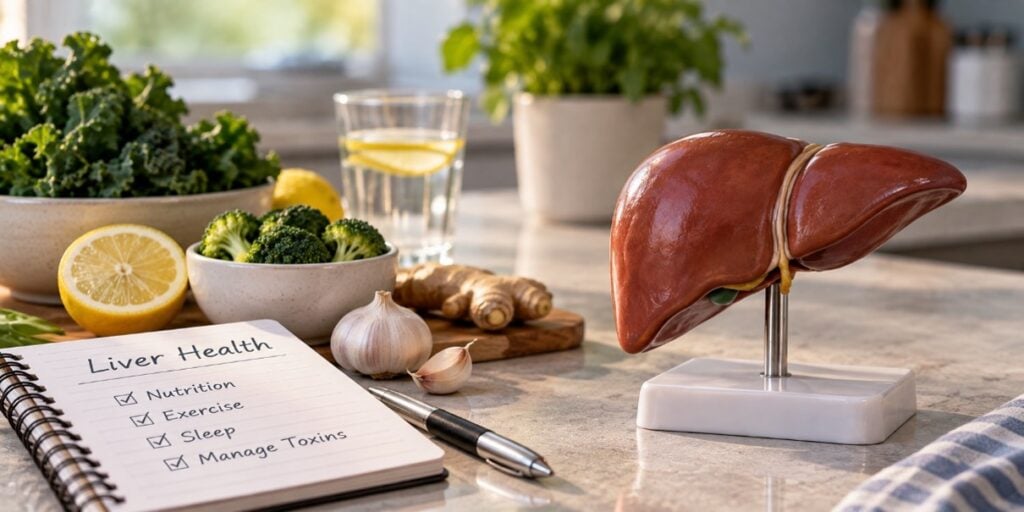
Is NAC Safe to Take Daily for Liver Support?
NAC has a serious medical résumé and a complicated supplement history. That still does not make daily use a universal yes.

The Bone-Loss Problem in the GLP-1 Era
In the GLP-1 era, practitioners are helping patients lose weight faster and in larger amounts than before. That makes skeletal protection increasingly important. This article examines five signals that change during weight loss—mechanical loading, estrogen, calcium balance, gut delivery, and rate—and translates them into practical considerations for screening and intervention.

Nicotinamide for Non-Melanoma Skin Cancer Prevention: What the Evidence Shows
Its proposed role in enhancing cellular DNA repair and supporting the skin’s response to ultraviolet-induced damage has prompted investigation into whether supplementation may reduce skin cancer incidence in individuals at elevated risk. Current evidence suggests that nicotinamide may represent a safe, accessible, and relatively inexpensive strategy for skin cancer prevention in predisposed populations.

Is Nattokinase Underdosed? What a Large Patient Study Found
Clinical results with nattokinase have been inconsistent—and dose may be the reason. A 1,062-patient study using 10,800 FU/day reported significant changes in lipids and carotid plaque, reopening a key question for practitioners.