

The Science of Restorative Sleep: From Stress to the Gut-Brain Connection
Sleep is far more than a period of rest. Each night, the body coordinates hormonal regulation, immune balance, memory consolidation, metabolic processing, tissue repair, and cellular recovery. This article explores how stress, circadian rhythms, autonomic regulation, nutrition, metabolism, and the gut-brain axis influence the body’s ability to transition from protection to restoration.

Clinical Guide: GABA vs L-Theanine for Stress Support
Patients who experience occasional stress from lifestyle factors often present with occasional episodes of mental overstimulation, difficulty relaxing, and trouble staying asleep. As interest in non-pharmacologic options continues to grow, nutraceuticals such as
Supporting the Sleep Cycle with 5-HTP and L-Theanine
Sleep disturbances are one of the most common complaints in clinical practice, often reflecting imbalances in neurotransmitters and stress physiology. Beyond simple sleep quantity, the quality and structure of sleep—particularly the balance of
Which Home Lighting and Blue Light Blockers Best Support Melatonin?
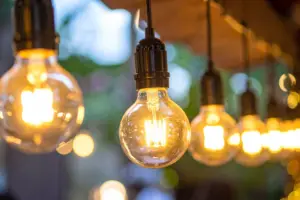
Daylight and artificial light at night suppress melatonin secretion, which is why we tell our patients to turn off devices before bedtime. Even household lighting at night can contribute to this effect, and it’s important to choose lighting that’s better aligned with natural circadian rhythms. Some studies have shown that typical home lighting induces significant melatonin suppression, up to 50%.

Brown Rice Peptides: A New Natural Therapy to Rebuild Deep Sleep
Clinical trials using wearable tech show rice-derived peptides increase slow-wave sleep and total sleep time—promising for long-term, safe therapy.

Darkness Deficiency: Winning the Battle Against Poor Sleep
We’ve heard a lot about the effects of sunlight deficiency on vitamin D production. Now researchers are starting to realize that people are also suffering from darkness deficiency due to an overexposure to

Circadian Rhythms and Metabolic Health
“Sleep is not simply rest; it’s a metabolic reset. Circadian rhythm alignment governs everything from insulin sensitivity to mitochondrial output. When we restore rhythm, we restore resilience.” – Emily Hartsfield, ND Most healthcare

Feeling Stressed? Find Your Zen
Summary: In today’s stress-laden environment, incorporating various supplements may be a consideration to mitigate the effects of stress and enhance overall well-being.* L-theanine, an amino acid found in tea, supports a calm focus
Magnolia Bark for Mental Health and Stress Support
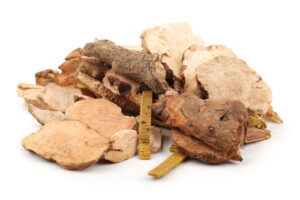
Summary: Magnolia bark, derived from the bark of the Magnolia officinalis tree, has been used for centuries in traditional Chinese medicine for its calming properties.* Recent scientific research has begun to explore magnolia bark as

3 Amino Acids for Better Sleep and Relaxation Support
Summary: In today’s fast-paced world, dealing with stressors and consequent sleep disturbances is becoming increasingly common. While melatonin is widely recognized for its role in regulating sleep, three amino acids that are emerging

Understanding and Treating the Pain/Sleep Connection
In this episode of the OneMedicine Podcast, we discuss the impact of poor sleep on overall health with a specific focus on pain. Chris reviews the biochemistry and offers ways to help your

Study Uncovers Another Reason to Avoid Ultra-Processed Foods
A study published in the Journal of the Academy of Nutrition and Dietetics shows that a high intake of ultra-processed foods is associated with insomnia.