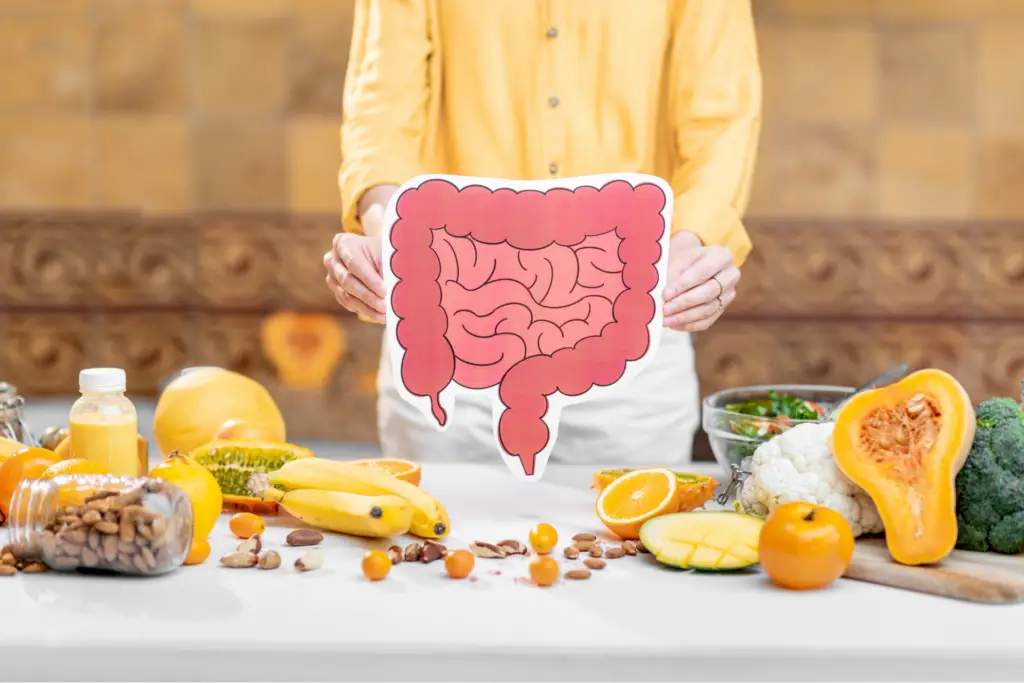
Berberine has become a familiar nutritional tool in integrative practice for supporting healthy glucose, insulin, and lipid metabolism. Emerging research is now providing another reason for clinicians to take interest in this botanical compound due to its impact on the gut microbiome and intestinal barrier.
Of particular interest is berberine’s relationship with Akkermansia muciniphila, a beneficial microorganism increasingly studied for its association with intestinal barrier integrity and healthy metabolic function.
Berberine and Akkermansia muciniphila
Akkermansia muciniphila is a mucin-associated bacterium that resides within the intestinal mucus layer. Its presence has attracted considerable scientific interest because of its relationship with mucosal integrity, microbial balance, and metabolic health.
A 2025 study in laboratory mice published in the Journal of Nutritional Biochemistry provides new insight into how berberine may influence A. muciniphila. Researchers found that berberine supplementation significantly increased intestinal A. muciniphila abundance.1
Importantly, berberine did not directly stimulate the growth of this species of Akkermansia. Instead, researchers observed changes within the intestinal environment, including increased expression of mucin 2 (MUC2), a major structural component of the intestinal mucus barrier. These changes appeared to create an intestinal environment more favorable to A. muciniphila colonization.
For clinicians, this is an important distinction. Rather than thinking of berberine simply as a substance that “feeds” Akkermansia, the research suggests a more complex relationship in which berberine may help support the intestinal environment and mucus barrier, indirectly favoring beneficial microbial populations.
Supporting the Intestinal Barrier
The intestinal mucus layer represents one of the body’s first interfaces between the microbiome and intestinal epithelium. MUC2 is an important component of this protective layer and helps maintain appropriate separation between intestinal microorganisms and epithelial cells.
The observation that berberine influenced MUC2 expression provides another potential mechanism through which it may support intestinal barrier integrity and a balanced gut environment.
Other research has demonstrated that berberine can influence the composition and metabolic activity of the intestinal microbiota, including microorganisms involved in short-chain fatty-acid production and bile-acid metabolism.2-4 These findings expand the clinical conversation surrounding berberine beyond its commonly recognized metabolic effects to include interactions among the intestinal mucus layer, microbial ecology, bile-acid signaling, and metabolic physiology.
Berberine for Metabolic Support
Berberine has been extensively investigated for its effects on glucose, insulin, and lipid metabolism, with evidence suggesting that its metabolic activity involves multiple complementary pathways.
One of the best-characterized mechanisms involves AMP-activated protein kinase (AMPK), a central cellular energy sensor that helps coordinate glucose uptake, fatty-acid oxidation, and lipid synthesis. Experimental research has demonstrated that berberine can increase AMPK activity and influence cellular pathways involved in glucose utilization and energy metabolism.5,6
Berberine may also support glucose metabolism through mechanisms beyond AMPK. Research has demonstrated effects on glycolysis, glucose transport, insulin-receptor signaling, GLUT4 expression and translocation, and GLP-1 signaling, providing several potential pathways through which berberine may help support healthy insulin sensitivity and post-meal glucose handling.6-8
Its effects on lipid metabolism appear similarly multifactorial. Berberine has been studied for its influence on LDL-receptor (LDLR) expression, PCSK9, fatty-acid synthesis and oxidation, and other pathways involved in maintaining healthy lipid metabolism.7-8
For clinicians, this is an important distinction. Rather than thinking of berberine simply as a substance that “feeds” Akkermansia, the research suggests a more complex relationship in which berberine may help support the intestinal environment and mucus barrier, indirectly favoring beneficial microbial populations.
The Gut–Metabolic Connection
Berberine’s relatively low systemic bioavailability has historically presented a pharmacokinetic challenge. However, its substantial presence within the gastrointestinal tract may also contribute to its physiological activity.
Research suggests that berberine can modify gut microbial composition and function, intestinal barrier activity, short-chain fatty-acid production, and microbial bile-acid metabolism.2-4
Bile acids are more than digestive compounds; they also function as signaling molecules. Changes in microbial bile-acid metabolism can influence signaling through receptors including farnesoid X receptor (FXR) and Takeda G-protein-coupled receptor 5 (TGR5), which participate in the regulation of glucose, lipid, and energy metabolism.3,4
This provides an intriguing connection between berberine’s gastrointestinal activity and its broader metabolic effects. Rather than operating through a single pathway, berberine appears to interact with a network involving cellular energy sensing, glucose transport, insulin signaling, lipid metabolism, bile-acid signaling, intestinal barrier function, and the gut microbiome.
For integrative practitioners, this multi-target profile provides a useful framework for considering berberine as part of nutritional strategies designed to support healthy glucose balance, insulin sensitivity, lipid metabolism, and liver function, as well as overall metabolic health.
Dihydroberberine: Addressing Berberine’s Absorption Challenge
Although conventional berberine has an extensive research history, its relatively low oral bioavailability presents an important formulation consideration.
Interestingly, the intestinal microbiome itself appears to participate in overcoming this limitation. Gut microbial enzymes can reduce berberine to dihydroberberine (DHB), a more readily absorbed form that can subsequently be converted back to berberine following absorption.9
This provides the physiological rationale for supplementing DHB directly: instead of relying entirely on intestinal conversion of berberine to its more absorbable form, DHB provides the reduced form directly.
Separately, emerging research using cultured human-derived gut microbial communities found that, like berberine, DHB enriched Akkermansia-associated proteins and functions, but with less impact on butyrate levels and bacterial stress-related functions, making a compelling case to explore DHB’s potential effects on the gut microbiome beyond its previously reported absorption advantage.10
Human Pharmacokinetic Evidence
A randomized, double-blind, crossover pilot study directly compared conventional berberine with DHB in healthy adults. Participants received 500 mg of conventional berberine, 100 mg DHB, 200 mg DHB, or placebo.11
Despite the substantially smaller supplemental amounts, DHB produced significantly greater systemic berberine exposure.
The 100 mg DHB dose produced a berberine area under the curve (AUC) of 284.4 ± 115.9 ng/mL × 120 minutes, compared with 42.3 ± 17.6 ng/mL × 120 minutes following 500 mg of conventional berberine (Berberine HCL)—approximately a 6.7-fold difference in systemic berberine exposure in this small pilot study. (The 200 mg DHB dose produced a higher mean AUC than the 100 mg dose, but the difference was not statistically significant.)
These findings provide direct human evidence that DHB can produce greater circulating berberine exposure at substantially lower supplemental amounts than conventional berberine.
Why DHB May Matter Clinically
Conventional berberine is frequently administered in divided doses because of its limited oral bioavailability, with research protocols commonly utilizing two to three daily doses. Higher supplemental amounts of conventional berberine may also present gastrointestinal tolerance challenges for some individuals.
DHB provides a different formulation strategy by allowing substantially smaller supplemental amounts to achieve greater systemic berberine exposure. For practitioners, this may be particularly relevant when supplement burden, dosing frequency, or gastrointestinal sensitivity affect patient adherence.
Clinical Takeaways
Berberine should no longer be viewed exclusively through the lens of glucose metabolism. Emerging research suggests an intriguing relationship among berberine, intestinal mucus integrity, Akkermansia abundance, gut microbial ecology, bile-acid signaling, and metabolic physiology.
Its activity appears to involve multiple complementary pathways—including AMPK signaling, cellular glucose utilization, insulin signaling, lipid metabolism, intestinal barrier function, the gut microbiome, and FXR/TGR5-associated bile-acid signaling.
DHB provides another approach to utilizing this well-established botanical compound. All together, this provides practitioners with a broader nutritional strategy for supporting the interconnected physiology of healthy glucose balance, insulin sensitivity, lipid metabolism, liver function, intestinal barrier integrity, and a favorable gut microbial environment.
References
- Xu J, Lao Y, Zhang W, et al. Berberine alleviates metabolic dysfunction-associated steatohepatitis by enhancing the abundance of Akkermansia muciniphila. J Nutr Biochem. 2025;146:110069. doi:10.1016/j.jnutbio.2025.110069
- Ren G, Guo JH, Qian YZ, Kong WJ, Jiang JD. Berberine improves glucose and lipid metabolism in HepG2 cells through AMPKα1 activation. Front Pharmacol. 2020;11:647. doi:10.3389/fphar.2020.00647
- Yin J, Gao Z, Liu D, Liu Z, Ye J. Berberine improves glucose metabolism through induction of glycolysis. Am J Physiol Endocrinol Metab. 2008;294(1):E148-E156. doi:10.1152/ajpendo.00211.2007
- Han Y, Xiang Y, Shi Y, et al. Pharmacokinetics and pharmacological activities of berberine in diabetes mellitus treatment. Evid Based Complement Alternat Med. 2021;2021:9987097. doi:10.1155/2021/9987097
- Wang Y, Zidichouski JA. Update on the benefits and mechanisms of action of the bioactive vegetal alkaloid berberine on lipid metabolism and homeostasis. Cholesterol. 2018;2018:7173920. doi:10.1155/2018/7173920
- Zhang Y, Gu Y, Ren H, et al. Gut microbiome-related effects of berberine and probiotics on type 2 diabetes (the PREMOTE study). Nat Commun. 2020;11(1):5015. doi:10.1038/s41467-020-18414-8
- Wang Y, Tong Q, Shou JW, et al. Gut microbiota-mediated personalized treatment of hyperlipidemia using berberine. Theranostics. 2017;7(9):2443-2451. doi:10.7150/thno.18290
- Tian Y, Cai J, Gui W, et al. Berberine directly affects the gut microbiota to promote intestinal farnesoid x receptor activation. Drug Metab Dispos. 2019;47(2):86-93. doi:10.1124/dmd.118.083691
- Feng R, Shou JW, Zhao ZX, et al. Transforming berberine into its intestine-absorbable form by the gut microbiota. Sci Rep. 2015;5:12155. doi:10.1038/srep12155
- Li L, Chang L, Zhang X, et al. Berberine and its structural analogs have differing effects on functional profiles of individual gut microbiomes. Gut Microbes. 2020;11(5):1348-1361. doi:10.1080/19490976.2020.1755413
- Moon JM, Ratliff KM, Hagele AM, Stecker RA, Mumford PW, Kerksick CM. Absorption kinetics of berberine and dihydroberberine and their impact on glycemia: a randomized, controlled, crossover pilot trial. Nutrients. 2021;14(1):124. doi:10.3390/nu14010124
About the author:
Dr. Bradley Bush, ND, has over 25 years of clinical and industry experience in integrative medicine. He is the owner and Clinic Director of Natural Medicine of Stillwater, where his focus spans gastrointestinal health, neuroendocrine disorders, post-infectious disease disorders, and brain-gut health.