Many clinicians are seeing Epstein- Barr virus (EBV) reactivation since COVID, and these cases are becoming more challenging to treat. One study found that 66.7% of long COVID patients had positive EBV antibodies compared to 10% of controls. The study’s authors suggest that long COVID symptoms may be the result of COVID-19 inflammation-induced EBV reactivation.1
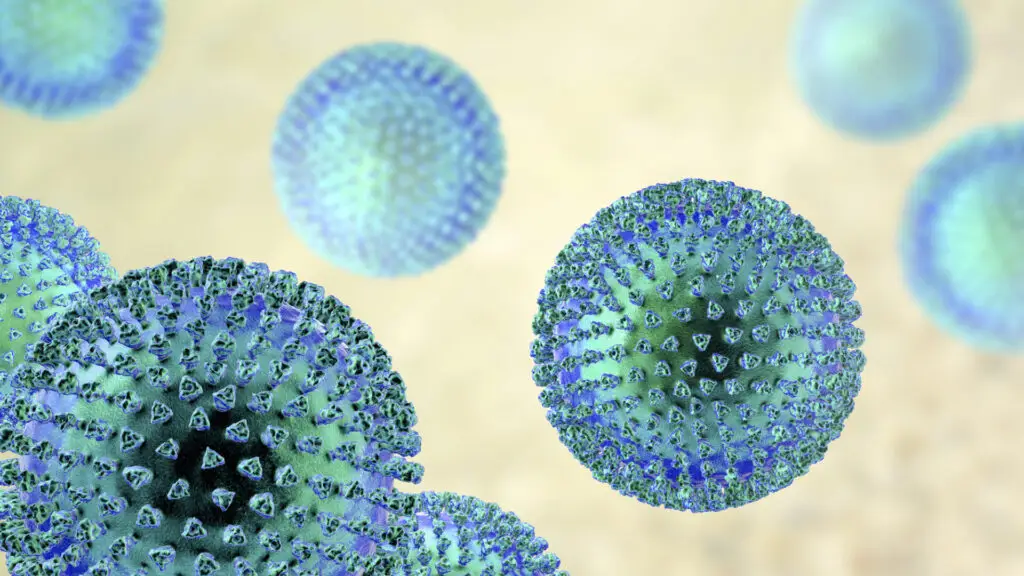
EBV is a member of the human herpesvirus (HHV) family, specifically HHV-4.2 EBV is prevalent, affecting 90% of the population worldwide.3 Upon initial infection, typically occurring in childhood, patients may be asymptomatic or have mild illness. However, adolescents and adults tend to experience more symptoms from infectious mononucleosis (IM).4
Because EBV is adept at evading the immune system, it establishes lifelong B-cell latency and can reactivate when triggered.2,5,6 At this point, it moves out of its latent cycle and into its lytic cycle, where active viral replication and symptoms present.2 Many remain asymptomatic with latent EBV, but certain patients may be more prone to reactivation. This article explores the factors that may contribute to this increased susceptibility and identifies the patients who may be most at risk.
Because of its lifelong residence in the cells, EBV has been described as a functional stress test of immune surveillance, acting as a barometer for immune sufficiency.5
EBV Symptoms and Triggers
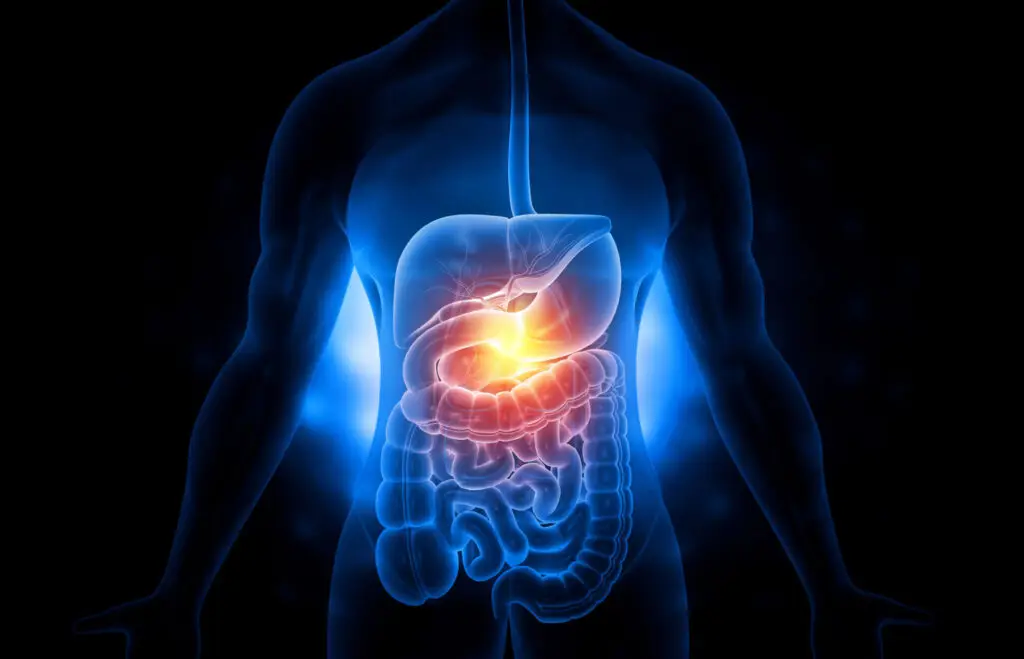
Reactivation triggers systemic inflammation and mitochondrial dysfunction, which can cause several symptoms. Symptoms associated with reactivation include fatigue, brain fog, sleep issues, arthralgia, pharyngitis, myalgia, headaches, fever, gastrointestinal issues, tinnitus, hearing loss, and skin rashes. Less commonly, reactivation has been associated with myocarditis, cardiomyopathy, myocardial infarction, liver and kidney injury, respiratory failure, and hemolytic anemia.1
EBV is associated with several diseases including IM, myalgic encephalomyelitis or chronic fatigue syndrome (ME/CFS), lymphomas, nasopharyngeal and gastric cancers, and autoimmune diseases such as multiple sclerosis, celiac disease, autoimmune thyroiditis, type 1 diabetes, myasthenia gravis, Sjogren’s syndrome, rheumatoid arthritis, and systemic lupus erythematosus.2,7 Viral reactivation into its lytic phase is associated with tumor development and maintenance.8
EBV can be reactivated with psychological stress, physiologic stress, and in those who are immunosuppressed.2,9,10 Physiologic stressors could include other pathogens or exposure to environmental toxins. EBV can be reactivated by bacteria such as Helicobacter pylori and others, viruses including COVID, HPV, and others, Aspergillus falvus, parasites, and other pathogens.11 Immunosuppressed patients include those with autoimmune diseases, diabetes, mycotoxin exposure, metal and chemical toxicant exposure, those taking biologic medications, as well as classic immunosuppressive illnesses such as human immunodeficiency virus (HIV).
Symptoms associated with EBV reactivation include fatigue, brain fog, sleep issues, arthralgia, pharyngitis, myalgia, headaches, fever, gastrointestinal issues, tinnitus, hearing loss, and skin rashes.
Interpreting Testing for Reactivated EBV
Because the symptoms associated with EBV are non-specific and can overlap with numerous other conditions, testing for EBV alone may provide an incomplete assessment. A broader diagnostic workup is generally preferred to identify other potential contributors to the patient’s symptoms, as multiple underlying findings or diagnoses may be present. Many clinicians also consider expanding the infectious workup to include cytomegalovirus (CMV), HHV-6, as well as relevant bacterial and parasitic infections, which can produce similar clinical presentations, particularly persistent fatigue.7
For suspected acute IM, a heterophile antibody test (Monospot) is an appropriate initial screening tool. However, its utility may be limited in adults with a history suggestive of prior EBV infection, as most individuals acquire EBV during childhood or adolescence. In these cases, EBV-specific serologic testing may provide a more comprehensive assessment.4
The preferred antibody panel includes viral capsid antigen (VCA) IgG and IgM, EBV nuclear antigen (EBNA) IgG, and early antigen (EA) IgG. The EA IgG tends to be the important marker for determining reactivation, and sometimes EBV VCA IgM.1 About 20% of healthy, asymptomatic individuals can have elevated EA antibodies for years after a primary EBV infection.12 For this reason, results must be viewed in clinical context. Serial testing is important when interpreting results, as everyone has their own baseline.
| VCA IgG | VCA IgM | EBNA IgG | EA IgG | |
| No previous | – | – | – | – |
| Primary Acute | + | + | – | +/- |
| Convalescent | + | +/- | + | +/- |
| Past | +/- | – | + | – |
| Reactivation | + | +/- | +/- | + |
EBV reactivation can also be identified using real-time polymerase chain reaction (PCR) testing for EBV DNA, which assesses viral load.1,13 EBV DNA quantification can assist in diagnosis and management of EBV-associated cancers, and serial measurements are useful for assessing the prognosis or response to cancer therapy.14
As with antibody testing, it’s helpful to have a baseline level. Although a positive PCR result confirms the presence of EBV DNA, PCR cannot distinguish between viable and nonviable viral DNA. The clinical significance of detecting nonviable EBV DNA remains unknown. Therefore, testing during active treatment is discouraged, as results may reflect a combination of viable and nonviable virus, making interpretation difficult.
Retesting
Because there are currently no FDA-cleared treatments for EBV reactivation or IM, evidence-based guidance on monitoring treatment response is limited. Treatment success is generally assessed based on clinical improvement, as EBV antibodies and viral DNA fragments may take time to clear.12,15-18 Therefore, repeat testing is best deferred for several months after treatment to allow sufficient time for levels to normalize. If EA IgG remains elevated and it’s unclear whether this reflects ongoing reactivation or part of the 20% who have persistent levels, PCR testing may be considered to help clarify the findings.
Treating Reactivated EBV
Clinical research on treatment for reactivation is surprisingly limited considering most of the population carries this virus, and many are susceptible to reactivation. This is particularly concerning given the virus’s association with serious health conditions, including certain cancers and autoimmune diseases. The lack of robust clinical evidence highlights the need for clinicians to think outside the box when supporting affected patients. Well-designed clinical studies are urgently needed to address this growing concern. Until such evidence becomes available, clinicians are often left to rely on isolated case studies and anecdotal reports to guide their approach.
When reactivation happens, the goal is to help the body move EBV from its lytic to latent state. Some clinicians combine prescription antivirals with herbal formulas to more broadly address the various stages of the viral cycle.10
Lytic replication promotes cytokine secretion, contributing to inflammation.11 When beginning treatment, immune system activation can lead to inflammatory cytokine reactions and potential symptom exacerbation.6 Therefore, combining treatment with anti-inflammatory support and methods generally used for Herxheimer (“die-off”) reactions can be helpful. Immune system modulation is also beneficial to correct an overactive immune response.
In general, clinicians treat for 1-2 months for healthier patients, and as long as a few years in sicker patients.
Conventional Antivirals
There are no FDA-approved antiviral pharmaceuticals to treat EBV acute infection or reactivation.1,19 Limited studies show some efficacy in reducing the viral load in EBV reactivation with anti-DNA viral agents.1,20,21 There are no known medications to eradicate EBV latency; prescription antiviral agents do not eradicate latent cells.7,19
Although the evidence is weak, functional and integrative practitioners find benefit with drugs like acyclovir and valacyclovir used off-label for treating EBV reactivation. Some clinicians keep patients on a maintenance dose after an initial round of treatment. When combining with herbal protocols, the dose may be decreased.
When reactivation happens, the goal is to help the body move EBV from its lytic to latent state. Some clinicians combine prescription antivirals with herbal formulas to more broadly address the various stages of the viral cycle.
Natural Antiviral Support
Functional medicine clinicians commonly use natural support for reducing the viral load and supporting healthy immune function. Natural products mostly show in vitro antiviral effects against EBV and lack clinical data. Preclinical studies show promise using natural extracts to target EBV latent proteins.22
Clinicians tend to favor certain combinations of the nutrients below versus loading the patient with everything. Many of these nutraceuticals have different mechanisms of action compared to prescription antivirals, making the combination more effective. This is by no means a comprehensive overview of all natural supplements, just the most common.
- Vitamin A is important for normal mucosal barrier function and innate and adaptive immunity.23 It inhibits EBV DNA synthesis and viral reactivation.24
- Vitamin C is known for fighting viral illness. Vitamin C reduces oxidative stress associated with infection, supports neutrophil function, downregulates inflammation, stimulates antiviral cytokines, and has direct antiviral properties. While oral vitamin C can be effective for basic immune support, intravenous (IV) vitamin C (IVC) raises plasma concentrations significantly, which is important for fighting viruses. An observational study involving 178 patients with elevated EA IgG and 40 patients with elevated VCA IgM evaluated the effects of IVC at doses ranging from 7.5 g to 50 g. Most had a diagnosis of chronic fatigue syndrome. IVC had a positive effect on disease duration and reduced antibody levels.25
- Vitamin D has an immunomodulatory role in EBV, and optimizing vitamin D levels is important for immune health in general.26,27 Vitamin D levels inversely correlate with EA IgG levels.25 Low vitamin D levels impair immune homeostasis, which favors the spread of EBV-infected cells.28 Some clinicians begin with a higher loading dose in the early stages of IM, and eventually taper down.29
- Monolaurin is a medium-chain triglyceride from coconut with antiviral, antibacterial, and antifungal properties. It binds to lipid-coated pathogens and dissolves their lipid envelope. While clinical studies are lacking, many integrative practitioners have used monolaurin successfully for chronic fatigue syndrome associated with several viral infections, including EBV. The recommended dose is 1-3 g or more daily.30
- Licorice (Glycyrrhiza glabra) is antiviral and adaptogenic, making it a good choice for addressing both EBV and stress. In vitro, glycyrrhizic acid, a component of licorice root, interferes with attachment and penetration, blocking EBV replication.31
- Humic acid is a breakdown product derived from soil with in vitro antiviral activity against several viruses. The negatively charged compound binds to positively charged viral glycoproteins, inhibiting viral fusion with cell membrane receptors. Although clinical studies are lacking, the National Institutes of Health (NIH) studied this substance at one time. Humic acid products are prone to heavy metal toxicity, and choosing pure supplements is important.32
- Andrographis paniculata contains andrographolide, which inhibits EBV lytic reactivation and has a cytotoxic effect on EBV-positive cells.33 While there are no clinical studies for EBV, there are several randomized clinical trials supporting Andrographis for upper respiratory infections and influenza. Among studies, doses varied, with up to 6 g daily safely prescribed for acute dosing.34,35
- EGCG, a green tea constituent, demonstrates multiple inhibitory mechanisms against EBV in vitro.22 The only clinical trial to date found no significant reduction in EBV reactivation or tumor recurrence compared with placebo among 353 nasopharyngeal carcinoma patients. The EGCG dose was 300 mg twice daily for 3 years. EGCG has shown benefit in several other cancers and noncancer diseases.36 More research is needed to determine whether EGCG is effective against EBV in other patient populations.
- Astragalus is an herb containing polysaccharides that inhibit the EBV lytic cycle by suppressing early protein expression.37 Numerous clinical trials show benefit for a variety of conditions. A meta-analysis provided evidence supporting its benefit on humoral and cellular response, reduction in proinflammatory cytokines, and enhanced cellular immune markers.38 Astragalus given 500 mg twice daily was beneficial for chronic fatigue syndrome associated with long-COVID in nurses.39
- Olive leaf (Olea europaea) has antiviral effects, preventing EBV lytic cycle induction in vitro. Its antioxidant effects protect against oxidative stress resulting from viral replication.40 Anecdotal evidence shows that when taken at the onset of cold or flu symptoms, disease duration is shortened.41
- Artemisinin, a constituent of the plant Artemisia annua, has shown in vitro antiviral activity against many herpesviruses. It was shown to prevent EBV early protein synthesis, inhibiting ongoing lytic replication.42
- Medicinal mushrooms have various immunomodulating effects which may help as a preventative tool.43 A few mushrooms have been studied in vitro for their activity against EBV, including Cordyceps and Ganoderma lucidum.44,45
- Low-dose naltrexone (LDN) does not have known antiviral effects against EBV, but is an immune modulator that may help improve chronic fatigue in patients with viral illness.46
- Supportive Oligonucleotide Therapy (SOT) uses custom-designed small interfering RNA molecules to target specific genetic sequences in viruses or bacteria. These molecules bind to messenger RNA (mRNA) and trigger its degradation, blocking the production of proteins essential for viral proliferation. Treatment involves intravenous administration of SOT, and after 2 to 3 administrations, it was shown to reduce EBV genetic material.47
- Adaptogenic herbs are stress-protective and increase adaptability and resilience. These herbs include Eleutherococcus senticosus, Panax , and others, and have demonstrated nonspecific antiviral, anti-inflammatory, and antioxidant activity in pre-clinical studies.48 EBV can be triggered by stress, making adaptogens a reasonable addition to a viral treatment program. Both andrographis and licorice, already discussed, have adaptogenic properties.
The amino acid L-lysine and the nervine Lemon Balm (Melissa officinalis) are both commonly used for herpes simplex virus (HSV).49,50 Since EBV is a member of the herpesvirus family, many clinicians use these as part of their antiviral protocols.
Note: The following figure from Pennisi, et. al. illustrates natural compounds that target EBV proteins and intracellular signaling pathways activated by EBV.22 Combining several of these constituents may allow for a more comprehensive, multi-targeted approach to mitigating EBV activity.
Prevention and Comorbidity Treatment
It’s rarely just EBV, right? We have to look at the bigger picture and address the underlying factors that may be contributing to viral reactivation. Simply treating the infection without identifying and removing the triggers that caused EBV to emerge from latency in the first place may lead to incomplete or unsuccessful treatment.
Other contributing factors need to be considered, including co-infections (such as COVID), environmental exposures (such as mold), immunosuppressive medications, and other sources of immune dysfunction. It’s also important to consider endocrine health, mitochondrial function, adrenal support, and stress management, as chronic stress can be a significant trigger.
Restorative sleep, a nutrient-dense diet, and a comprehensive approach to supporting immune function and overall health are equally important. Ultimately, we need to address the terrain, not just the virus.
References
- Gold JE, Okyay RA, Licht WE, Hurley DJ. Investigation of Long COVID Prevalence and Its Relationship to Epstein-Barr Virus Reactivation. Pathogens (Basel, Switzerland). Jun 17 2021;10(6)doi:10.3390/pathogens10060763
- Silva JM, Alves CEC, Pontes GS. Epstein-Barr virus: the mastermind of immune chaos. Frontiers in immunology. 2024;15:1297994. doi:10.3389/fimmu.2024.1297994
-
Hoover K, Higginbotham K. Epstein-Barr Virus. [Updated 2023 Aug 8]. In: StatPearls [Internet]. Treasure Island (FL): StatPearls Publishing; 2023 Jan-. Available from: https://www.ncbi.nlm.nih.gov/books/NBK559285/.
- Morrison BJ, Labo N, Miley WJ, Whitby D. Serodiagnosis for tumor viruses. Seminars in oncology. Apr 2015;42(2):191–206. doi:10.1053/j.seminoncol.2014.12.024
- Cao Y, Liang Y, Zhao C, et al. Lifelong Epstein-Barr virus persistence as a stress test of ageing immune surveillance: From infectious mononucleosis to chronic active EBV disease and virus-associated malignancy. Ageing Res Rev. Sep 30 2026;123:103387. doi:10.1016/j.arr.2026.103387
- Huang W, Bai L, Tang H. Epstein-Barr virus infection: the micro and macro worlds. Virology journal. Oct 2 2023;20(1):220. doi:10.1186/s12985-023-02187-9
- Ruiz-Pablos M, Paiva B, Montero-Mateo R, Garcia N, Zabaleta A. Epstein-Barr Virus and the Origin of Myalgic Encephalomyelitis or Chronic Fatigue Syndrome. Frontiers in immunology. 2021;12:656797. doi:10.3389/fimmu.2021.656797
- Murata T, Tsurumi T. Switching of EBV cycles between latent and lytic states. Rev Med Virol. May 2014;24(3):142–53. doi:10.1002/rmv.1780
- Glaser R, Rice J, Sheridan J, et al. Stress-related immune suppression: health implications. Brain Behav Immun. Mar 1987;1(1):7–20. doi:10.1016/0889-1591(87)90002-x
- Kerr JR. Epstein-Barr virus (EBV) reactivation and therapeutic inhibitors. J Clin Pathol. Oct 2019;72(10):651–658. doi:10.1136/jclinpath-2019-205822
- Indari O, Ghosh S, Bal AS, et al. Awakening the sleeping giant: Epstein-Barr virus reactivation by biological agents. Pathogens and disease. Feb 7 2024;82doi:10.1093/femspd/ftae002
- CDC. Laboratory Testing for Epstein-Barr Virus (EBV). 2026. https://www.cdc.gov/epstein-barr/php/laboratories/index.html
- Hillyard D. Epstein-Barr Virus – EBV. 2026. https://arupconsult.com/content/epstein-barr-virus
- Habeeb R, Monem F. EBV Plasma Epstein-Barr Virus (EBV) DNA as a biomarker for diagnosis of EBV-positive Hodgkin Lymphoma in Syria. The Journal of Infection in Developing Countries. 2021;15(12):1917–1922.
- Liu M, Ma Y, Hong Z, et al. Long-term outcomes in patients with persistent EBV-DNA positivity after primary Epstein-Barr virus infection and clinical implications of rituximab therapy. International immunopharmacology. May 27 2025;156:114695. doi:10.1016/j.intimp.2025.114695
- Gulley ML, Tang W. Laboratory assays for Epstein-Barr virus-related disease. The Journal of molecular diagnostics. 2008;10(4):279–292.
- Peluso MJ, Deveau TM, Munter SE, et al. Chronic viral coinfections differentially affect the likelihood of developing long COVID. The Journal of clinical investigation. Feb 1 2023;133(3)doi:10.1172/jci163669
- Rea TD, Russo JE, Katon W, Ashley RL, Buchwald DS. Prospective study of the natural history of infectious mononucleosis caused by Epstein-Barr virus. J Am Board Fam Pract. Jul–Aug 2001;14(4):234–42.
- Pagano JS, Whitehurst CB, Andrei G. Antiviral Drugs for EBV. Cancers. Jun 13 2018;10(6)doi:10.3390/cancers10060197
- Andrei G, Trompet E, Snoeck R. Novel Therapeutics for Epstein⁻Barr Virus. Molecules (Basel, Switzerland). Mar 12 2019;24(5)doi:10.3390/molecules24050997
- Womack J, Jimenez M. Common questions about infectious mononucleosis. American family physician. Mar 15 2015;91(6):372–6.
- Pennisi R, Trischitta P, Costa M, Venuti A, Tamburello MP, Sciortino MT. Update of Natural Products and Their Derivatives Targeting Epstein-Barr Infection. Viruses. Jan 15 2024;16(1)doi:10.3390/v16010124
- Stephensen CB. Vitamin A, infection, and immune function. Annual review of nutrition. 2001;21:167–92. doi:10.1146/annurev.nutr.21.1.167
- Salzer J, Hallmans G, Nyström M, Stenlund H, Wadell G, Sundström P. Vitamin A and systemic inflammation as protective factors in multiple sclerosis. Multiple sclerosis (Houndmills, Basingstoke, England). Jul 2013;19(8):1046–51. doi:10.1177/1352458512472752
- Mikirova N, Hunninghake R. Effect of high dose vitamin C on Epstein-Barr viral infection. Medical science monitor : international medical journal of experimental and clinical research. May 3 2014;20:725–32. doi:10.12659/msm.890423
- Teymoori‐Rad M, Shokri F, Salimi V, Marashi SM. The interplay between vitamin D and viral infections. Reviews in medical virology. 2019;29(2):e2032.
- Galdo-Torres D, Andreu S, Caballero O, et al. Immune modulatory effects of vitamin D on herpesvirus infections. International journal of molecular sciences. 2025;26(4):1767.
- Rasheed A, Khan G. Epstein-Barr virus, vitamin D and the immune response: connections with consequences for multiple sclerosis. Frontiers in immunology. 2024;15:1503808. doi:10.3389/fimmu.2024.1503808
- Schwalfenberg G. Treatment of Infectious Mononucleosis with High Dose Vitamin D3 in Three Cases. Ann Nutr Disord & Ther. 2021;8(1):1068.
- Lieberman S, Enig MG, Preuss HG. A review of monolaurin and lauric acid: natural virucidal and bactericidal agents. Alternative and Complementary Therapies. 2006;12(6):310–314.
- Lin JC, Cherng JM, Hung MS, Baltina LA, Baltina L, Kondratenko R. Inhibitory effects of some derivatives of glycyrrhizic acid against Epstein-Barr virus infection: structure-activity relationships. Antiviral research. Jul 2008;79(1):6–11. doi:10.1016/j.antiviral.2008.01.160
- Socol DC. Clinical review of humic acid as an antiviral: Leadup to translational applications in clinical humeomics. Frontiers in pharmacology. 2022;13:1018904. doi:10.3389/fphar.2022.1018904
- Heawchaiyaphum C, Malat P, Pientong C, et al. The Dual Functions of Andrographolide in the Epstein-Barr Virus-Positive Head-and-Neck Cancer Cells: The Inhibition of Lytic Reactivation of the Epstein-Barr Virus and the Induction of Cell Death. International journal of molecular sciences. Nov 1 2023;24(21)doi:10.3390/ijms242115867
- Coon JT, Ernst E. Andrographis paniculata in the treatment of upper respiratory tract infections: a systematic review of safety and efficacy. Planta medica. Apr 2004;70(4):293–8. doi:10.1055/s-2004-818938
- Hu XY, Wu RH, Logue M, et al. Andrographis paniculata (Chuān Xīn Lián) for symptomatic relief of acute respiratory tract infections in adults and children: A systematic review and meta-analysis. PloS one. 2017;12(8):e0181780. doi:10.1371/journal.pone.0181780
- Tsai HJ, Cheng SH, Yang SN, et al. A randomized trial to evaluate the effect of epigallocatechin gallate (EGCG) on EBV reactivation in patients with nasopharyngeal carcinoma in remission -the TCOG T2312 study. European journal of cancer (Oxford, England : 1990). Nov 17 2026;248:117445. doi:10.1016/j.ejca.2026.117445
- Guo Q, Sun X, Zhang Z, et al. The effect of Astragalus polysaccharide on the Epstein-Barr virus lytic cycle. Acta Virol. 2014;58(1):76–80. doi:10.4149/av_2014_01_76
- Zhang X, Qu X, Zou Y. The Effect of Astragalus on Humoral and Cellular Immune Response: A Systematic Review and Meta-Analysis of Human Studies. Complement Med Res. 2023;30(6):535–543. Effekt von Astragalus auf die humorale und zelluläre Immunantwort: Eine systematische Übersicht und Metaanalyse von Studien am Menschen. doi:10.1159/000534826
- Banihashemi ZS, Azizi-Fini I, Rajabi M, Maghami M, Yadollahi S. Chronic fatigue syndrome post-COVID-19: triple-blind randomised clinical trial of Astragalus root extract. BMJ Support Palliat Care. Apr 30 2025;15(3):359–366. doi:10.1136/spcare-2023-004595
- Ben-Amor I, Gargouri B, Attia H, et al. In Vitro Anti-Epstein Barr Virus Activity of Olea europaea L. Leaf Extracts. Plants (Basel). Nov 12 2021;10(11)doi:10.3390/plants10112445
- Roxas M, Jurenka J. Colds and influenza: a review of diagnosis and conventional, botanical, and nutritional considerations. Alternative medicine review : a journal of clinical therapeutic. Mar 2007;12(1):25–48.
- Liu H, Li Z, Zhang Y, et al. Antiviral effects of artemisinin and its derivatives. Chin Med J (Engl). Dec 20 2023;136(24):2993–2995. doi:10.1097/cm9.0000000000002934
- Zhao S, Gao Q, Rong C, et al. Immunomodulatory Effects of Edible and Medicinal Mushrooms and Their Bioactive Immunoregulatory Products. Journal of fungi (Basel, Switzerland). Nov 8 2020;6(4)doi:10.3390/jof6040269
- Ryu E, Son M, Lee M, et al. Cordycepin is a novel chemical suppressor of Epstein-Barr virus replication. Oncoscience. 2014;1(12):866–881. doi:10.18632/oncoscience.110
- Zheng DS, Chen LS. Triterpenoids from Ganoderma lucidum inhibit the activation of EBV antigens as telomerase inhibitors. Experimental and therapeutic medicine. Oct 2017;14(4):3273–3278. doi:10.3892/etm.2017.4883
- Bolton MJ, Chapman BP, Van Marwijk H. Low-dose naltrexone as a treatment for chronic fatigue syndrome. BMJ case reports. Jan 6 2020;13(1)doi:10.1136/bcr-2019-232502
- Apostolou P, Iliopoulos A, Beis G, Papasotiriou I. Supportive Oligonucleotide Therapy (SOT) as a Potential Treatment for Viral Infections and Lyme Disease: Preliminary Results. Infect Dis Rep. Nov 3 2022;14(6):824–836. doi:10.3390/idr14060084
- Panossian A, Brendler T. The Role of Adaptogens in Prophylaxis and Treatment of Viral Respiratory Infections. Pharmaceuticals (Basel, Switzerland). Sep 8 2020;13(9)doi:10.3390/ph13090236
- Mailoo VJ, Rampes S. Lysine for Herpes Simplex Prophylaxis: A Review of the Evidence. Integrative medicine (Encinitas, Calif). Jun 2017;16(3):42–46.
- Koytchev R, Alken RG, Dundarov S. Balm mint extract (Lo-701) for topical treatment of recurring herpes labialis. Phytomedicine : international journal of phytotherapy and phytopharmacology. Oct 1999;6(4):225–30. doi:10.1016/s0944-7113(99)80013-0