You get out of bed, and your knees file a complaint. By mid-afternoon you walk into a room and forget why you came. This is the slow burn nobody ordered. Many of my patients assume this is simply what getting older feels like. Part of it is something researchers have a name for: inflammaging.
Italian immunologist Claudio Franceschi coined the term for the chronic, low-grade inflammation that tends to build with age. Unlike the short, hot inflammation that follows a sprained ankle, inflammaging smolders quietly for years. Franceschi and Judith Campisi trace it to accumulated cellular damage, aging “senescent” cells that keep releasing inflammatory signals, shifts in gut bacteria, and an immune system that loses some of its ability to switch itself off.¹
That slow burn doesn’t stay in the joints. Inflammatory messengers such as interleukin-6 (IL-6) reach the brain too. A 2023 meta-analysis pooled 33 long-term studies of older adults and found that people with high IL-6 had 34 percent higher odds of cognitive decline over roughly five years.² Achy body, foggy brain: the same fire can feed both. The good news for your patients is that this fire responds to how we eat, move, sleep, and supplement.
Start With the Foundation – A Robust Multi
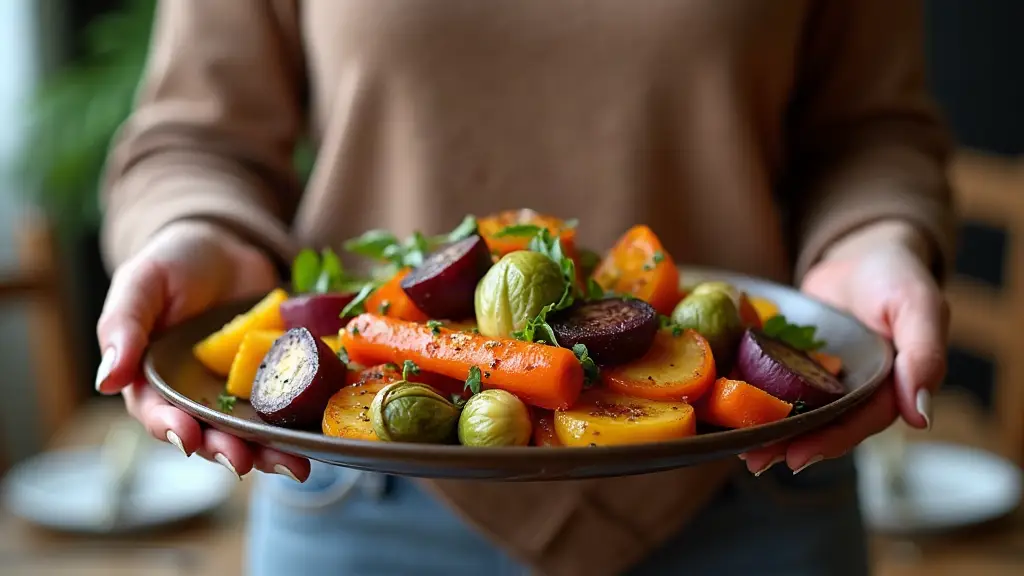
Before reaching for anything targeted, I make sure the basics are covered with patients. Daily movement, seven to eight hours of sleep, and a plate built around vegetables, fruit, fish, olive oil, and herbs remain the most reliable ways to keep inflammatory signaling in check.
Nutrient gaps matter too. Look for a Multivitamin that supplies methylated B vitamins, zinc, carotenoids such as lycopene, astaxanthin, lutein, and zeaxanthin, and a standardized blend of wild blueberry, strawberry, and spinach extracts to support the body’s antioxidant defenses.* Vitamin D deserves its own line. Immune cells carry vitamin D receptors, and laboratory research shows vitamin D tempers monocyte production of inflammatory cytokines, including IL-6 and TNF-α.³ Tru-D3 provides 2,000 IU of vitamin D3 per softgel in the VESIsorb® delivery system to support absorption.*
That slow burn doesn’t stay in the joints. Inflammatory messengers such as interleukin-6 (IL-6) reach the brain too. A 2023 meta-analysis pooled 33 long-term studies of older adults and found that people with high IL-6 had 34 percent higher odds of cognitive decline over roughly five years.
Omega-3s and CoQ10
Omega-3 fatty acids are raw material for compounds the body uses to resolve inflammation. In a four-month randomized trial of 138 healthy middle-aged and older adults, 1.25 to 2.5 grams a day of omega-3s lowered IL-6 by 10 to 12 percent, while levels in the placebo group rose 36 percent.⁴ Coenzyme Q10 adds another angle: a meta-analysis of randomized trials found CoQ10 lowered TNF-α, although CRP and IL-6 did not change significantly.⁵
Curcumin Meets the Endocannabinoid System
Curcumin from turmeric (Curcuma longa) is among the most studied botanicals for supporting a healthy inflammatory response and joint comfort, but on its own it is poorly absorbed.⁶ Beta-caryophyllene, a terpene in black pepper and cloves, activates the CB2 cannabinoid receptor found mainly on immune cells, with no psychoactive effects.⁷
Delivery is the quiet problem with many of these nutrients. Curcumin, CoQ10, omega-3s, vitamin D, and cannabinoids are all fat-soluble, and the gut absorbs them poorly without help. VESIsorb® is a self-emulsifying colloidal system that disperses them into tiny droplets the body can take up more readily*
Set realistic expectations with patients. Inflammaging took years to build, and supporting a calmer inflammatory balance is a matter of weeks to months, not days.
*These statements have not been evaluated by the Food and Drug Administration. These products are not intended to diagnose, treat, cure, or prevent any disease.
References
- Franceschi C, Campisi J. Chronic inflammation (inflammaging) and its potential contribution to age-associated diseases. J Gerontol A Biol Sci Med Sci. 2014;69(Suppl 1):S4-S9. PMID: 24833586. https://pubmed.ncbi.nlm.nih.gov/24833586/
- Leonardo S, Fregni F. Association of inflammation and cognition in the elderly: a systematic review and meta-analysis. Front Aging Neurosci. 2023;15:1069439. PMID: 36815174. https://pubmed.ncbi.nlm.nih.gov/36815174/
- Aranow C. Vitamin D and the immune system. J Investig Med. 2011;59(6):881-886. PMID: 21527855. https://pubmed.ncbi.nlm.nih.gov/21527855/
- Kiecolt-Glaser JK, Belury MA, Andridge R, Malarkey WB, Hwang BS, Glaser R. Omega-3 supplementation lowers inflammation in healthy middle-aged and older adults: a randomized controlled trial. Brain Behav Immun. 2012;26(6):988-995. PMID: 22640930. https://pubmed.ncbi.nlm.nih.gov/22640930/
- Zhai J, Bo Y, Lu Y, Liu C, Zhang L. Effects of coenzyme Q10 on markers of inflammation: a systematic review and meta-analysis. PLoS One. 2017;12(1):e0170172. PMCID: PMC5268485. https://pmc.ncbi.nlm.nih.gov/articles/PMC5268485/
- Hewlings SJ, Kalman DS. Curcumin: a review of its effects on human health. Foods. 2017;6(10):92. PMID: 29065496. https://pubmed.ncbi.nlm.nih.gov/29065496/
- Gertsch J, Leonti M, Raduner S, et al. Beta-caryophyllene is a dietary cannabinoid. Proc Natl Acad Sci U S A. 2008;105(26):9099-9104. PMID: 18574142. https://pubmed.ncbi.nlm.nih.gov/18574142/