A woman’s reproductive potential is closely tied to the health and quality of her eggs (oocytes). Within each egg, mitochondria produce the energy needed for maturation, fertilization, and early embryo development. As women get older, mitochondrial function in oocytes can decline, potentially affecting the egg’s ability to support normal development. This has led researchers to explore whether supporting mitochondrial health through nutrition and targeted compounds may help preserve or optimize fertility.
One highly researched compound is ubiquinol, the active, reduced form of coenzyme Q10 (CoQ10), which participates in cellular energy production and functions as an antioxidant. We’ll explore what is known about ubiquinol and egg mitochondrial health, as well as other nutrients supportive of egg quality, and the potential role of nutrition during a woman’s reproductive years.
The Egg’s Mighty Mitochondria
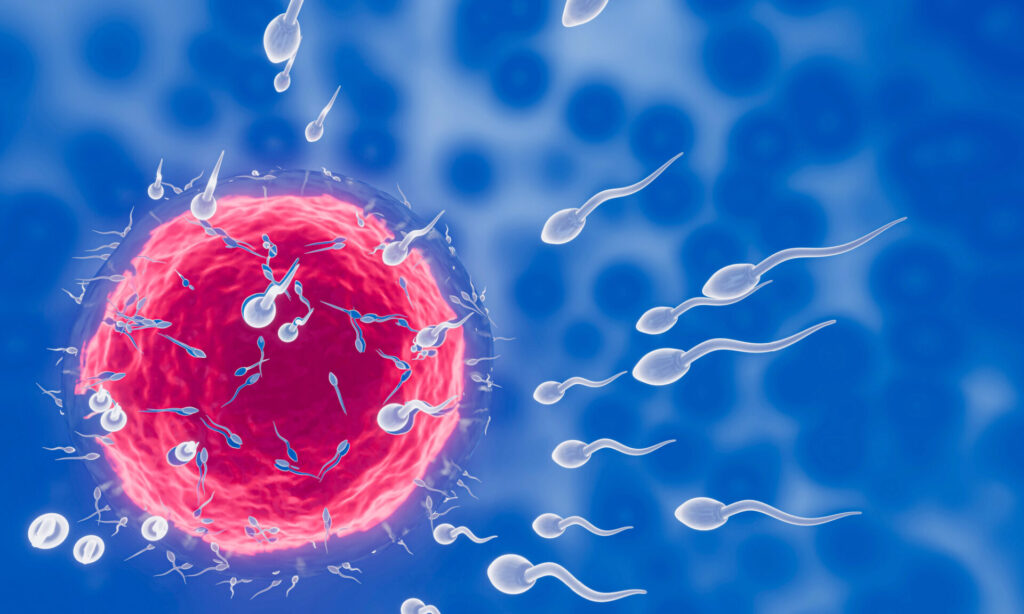
Most cells have structures called mitochondria, which provide energy for the cell to carry out its activities. Mature oocytes released during the monthly cycle contain around 100,000 mitochondria. For context, most other human cells contain around 1000-2500 mitochondria. Sperm contain only about 50-75 mitochondria, providing the energy needed to swim.1
The oocyte is densely packed with mitochondria because it must supply the energy needed for early embryonic development. Following ovulation, the egg travels through the fallopian tube, where fertilization may occur. The resulting embryo continues dividing as it travels to the uterus and may implant in the uterine lining.
Mitochondria inherited from the oocyte provide the energy for these earliest stages of development, before the embryo begins producing its own.2 Impaired mitochondrial function may negatively affect fertility and early embryonic development.
Factors Affecting Mitochondria and Egg Quality
Before the mature oocyte is released during monthly ovulation, it undergoes a series of developmental changes, influenced by a variety of factors. To understand this process, we need to go back much further than the monthly cycle itself, to the time when a woman was developing in her own mother’s womb.
A female is born with the full complement of oocytes she will have throughout her lifetime. From that point forward, the number of remaining oocytes gradually declines, with the ovarian reserve decreasing over the course of the decades.3
An Interesting Side Note: Did you know that, in a sense, you were already present in your grandmother’s womb? It may sound impossible at first, but consider the biology: while your mother was developing in your grandmother’s uterus, the early-stage oocytes that would eventually become your mother’s eggs were already forming within her ovaries. One of those oocytes would ultimately become the egg that contributed to your existence.
This remarkable connection means that your grandmother’s health and environment during pregnancy may have influenced aspects of your future health.4,5 And if you’re female, some of the factors that shape your health and reproductive biology today may, in turn, have implications for future generations. In other words, health can be generational.
Environment Influences Egg Quality
Oocytes are dormant from birth until they enter the maturation phase. Once it enters the maturation phase, it takes about 12 months for each oocyte to fully mature, when it’s ready to be released by the ovary. The 2-3 months leading up to ovulation represent a rapid growth period.6 Multiple environmental factors influence the entire oocyte lifecycle. Proper nutrition and avoiding oxidative stress help ensure high-quality eggs.
Oxidative stress can result from a poor-quality diet, environmental toxins, and low intake of antioxidant-rich foods. Oxidative stress damages DNA, proteins, and lipids in the cells and can hinder oocyte maturation.7 Damaged oocytes may result in genetic abnormalities affecting the baby.8
The cumulative effects of oxidative stress over a lifetime contribute to ovarian aging. Ovarian aging is marked by a gradual decrease in mitochondrial function, which can affect egg quantity and quality. This decline leads to lower fertilization rates and impacts the embryo’s development.7
Other factors that impact female fertility include chronic diseases, infections, alcohol, caffeine, weight, nutrition, exercise, smoking, drug use, stress, toxic exposures, and age at the time of starting a family.1
According to the World Health Organization (WHO), 1 in 6 people globally struggle with infertility.9 The good news is that women can take a proactive role in protecting their eggs and fertility as well as overall health.
Ubiquinol: A Necessary Mitochondrial Nutrient
Ubiquinol is a fat-soluble antioxidant that helps protect cells from oxidative stress, which can contribute to cellular damage, dysfunction, and cell death. It also supports the mitochondria by helping produce ATP (adenosine triphosphate), the primary form of energy cells use to power their essential functions.1
While the body synthesizes its own ubiquinol, production begins to decline at around 20 years old. Certain situations make it necessary to supplement, including during the reproductive years, pregnancy, neonatal development, and advanced aging. It’s important to use ubiquinol CoQ10 supplements versus ubiquinone for better bioavailability and efficacy.1
The cumulative effects of oxidative stress over a lifetime contribute to ovarian aging. Ovarian aging is marked by a gradual decrease in mitochondrial function, which can affect egg quantity and quality. This decline leads to lower fertilization rates and impacts the embryo’s development.
Ubiquinol and Female Fertility
Ubiquinol is an excellent supplement to consider for safeguarding female fertility. Clinical studies show that ubiquinol supplementation improves oocyte quality, enhances ovarian function, increases the number of eggs, and improves embryo quality.7,10 CoQ10 decreases DNA damage, which protects against genetic abnormalities, helps to reverse mitochondrial dysfunction seen with ovarian aging, and reduces the inflammatory response.7
Many women seek assisted reproductive technology (ART) for infertility, and despite technological advances, the success rate of embryo implantation remains low. Ubiquinol has been studied as an intervention during ART. A meta-analysis showed that CoQ10 enhances egg quality during in vitro fertilization and embryo transfer (IVF-ET), resulting in higher pregnancy rates.11 Research shows that a dose of 600 mg daily for 60 days enhances the ovarian response in women with decreased ovarian reserve.7
While much of the research on supplements is focused on enhancing ART treatments, ubiquinol may also be helpful for couples trying to achieve natural conception.7
Low CoQ10 levels may be problematic as it relates to fertility. A study on women taking hormonal contraception showed reduced blood CoQ10 levels and decreased antioxidant capacity.12 Low blood CoQ10 levels have been associated with pregnancy complications such as miscarriage and preeclampsia.13-15 A study giving 200 mg CoQ10 to women at risk of developing pre-eclampsia showed a decreased risk with supplementation.16
Polycystic ovarian syndrome (PCOS), now renamed Polyendocrine Metabolic Ovarian Syndrome (PMOS), is a common cause of infertility. A meta-analysis showed that CoQ10 supplementation may improve insulin resistance and sex hormone levels, which are key features of this disease.17 Correcting these abnormalities may in turn improve fertility outcomes.7
Although this article focuses on female fertility, ubiquinol is also important for sperm health and male fertility.1
Other Nutrients and Natural Treatments Studied for Fertility
Although ubiquinol has some of the strongest clinical evidence to back its use for fertility, several other nutrients have been studied to enhance egg quality.
In particular, nutrients with antioxidant properties have received attention for their ability to help protect the ovaries and the mitochondria within oocytes from oxidative stress and damage. These nutrients include resveratrol, melatonin, vitamins C and E, N-acetylcysteine (NAC), L-carnitine, alpha lipoic acid, vitamin D, folate, DHEA, and several others.10,11,18-20 Many studies are still preclinical, meaning they have not yet been studied in humans.
Some studies examine CoQ10 in combination with other nutrients. In clinical studies, CoQ10 works synergistically with vitamin E in protecting oocytes against oxidative damage.7 CoQ10 and omega-3 fatty acid supplementation resulted in higher pregnancy rates in women undergoing IVF.21
An interesting study examined CoQ10 combined with electroacupuncture in women undergoing IVF. Women received 10 mg of CoQ10 three times daily plus electroacupuncture every other day before their IVF cycle. Researchers found that CoQ10 alone and in combination with electroacupuncture improved ovarian response, egg yield, embryo quality, and endometrial receptivity. Pregnancy rates were highest among women receiving both treatments.22
A Healthy Diet Goes a Long Way
The richest dietary sources of CoQ10 include meat, organ meats, and fish. However, as discussed earlier, certain life stages or dietary patterns may increase the need for additional supplementation.1 This may be particularly relevant for vegans and vegetarians, whose diets may provide fewer dietary sources of CoQ10.
A Mediterranean diet (MeD), characterized by high fiber, omega-3 fatty acids, and healthy protein sources such as beans, nuts, seeds, fish, eggs, and poultry, has a direct effect on fertility. It increases the chances of fertilization and supports ART.23 The MeD improves mitochondrial function, reduces oxidative stress and inflammation, and helps prevent chronic diseases.24
In contrast, a Western-style diet, characterized by processed and fast foods, sweets, and low fiber, increases the risk of insulin resistance and PMOS, which can impair ovulation.23
Protecting Mitochondrial Health to Promote Fertility
Ubiquinol plays a unique dual role in supporting cellular energy production and protecting cells from oxidative stress. These functions are especially important for mitochondria and oocytes. By supporting mitochondrial function, ubiquinol may help promote healthy ovarian function and reproductive aging. Emerging evidence also suggests that it may improve certain fertility outcomes.
For women navigating infertility or seeking to support reproductive health, a personalized approach can be valuable. A nutrient-dense diet, healthy lifestyle, and carefully selected supplements, when appropriate and guided by a knowledgeable healthcare professional, may provide meaningful support for mitochondrial and overall reproductive health.
References:
- Derbyshire EJ, Ostojic SM, Alahmar AT. Ubiquinol in Fertility and Reproduction: A Conditionally Essential Nutrient for Critical Early-Life Stages. Nutrients. Jan 2 2026;18(1)doi:10.3390/nu18010156
- Chuang TH, Chou HH, Kuan CS, et al. Dependency of mitochondrial quantity on blastocyst timeline obscures its actual effect to pregnancy outcomes. Frontiers in endocrinology. 2024;15:1415865. doi:10.3389/fendo.2024.1415865
- Carlson BM. Human embryology and developmental biology. Elsevier Health Sciences; 2018.
- Luo L, Li J, Sun Y, et al. Maternal genetic intergenerational and transgenerational effects on hormone synthesis in ovarian granulosa cells of offspring exposed to cadmium during pregnancy. Ecotoxicology and environmental safety. Sep 15 2023;263:115278. doi:10.1016/j.ecoenv.2023.115278
- Lessard M, Herst PM, Charest PL, et al. Prenatal Exposure to Environmentally-Relevant Contaminants Perturbs Male Reproductive Parameters Across Multiple Generations that are Partially Protected by Folic Acid Supplementation. Scientific reports. Sep 25 2019;9(1):13829. doi:10.1038/s41598-019-50060-z
- Williams CJ, Erickson GF. Morphology and Physiology of the Ovary. Endotext [Internet]. 2012;
- Jiang Y, Han Y, Qiao P, Ren F. Exploring the protective effects of coenzyme Q10 on female fertility. Frontiers in cell and developmental biology. 2025;13:1633166. doi:10.3389/fcell.2025.1633166
- Babayev E, Seli E. Oocyte mitochondrial function and reproduction. Current opinion in obstetrics & gynecology. Jun 2015;27(3):175–81. doi:10.1097/gco.0000000000000164
- WHO. 1 in 6 people globally affected by infertility: WHO. Accessed 2026, https://www.who.int/news/item/04-04-2023-1-in-6-people-globally-affected-by-infertility
- Shang Y, Song N, He R, Wu M. Antioxidants and Fertility in Women with Ovarian Aging: A Systematic Review and Meta-Analysis. Advances in nutrition (Bethesda, Md). Aug 2024;15(8):100273. doi:10.1016/j.advnut.2024.100273
- Zhang Y, Zhang C, Shu J, et al. Adjuvant treatment strategies in ovarian stimulation for poor responders undergoing IVF: a systematic review and network meta-analysis. Hum Reprod Update. Feb 28 2020;26(2):247–263. doi:10.1093/humupd/dmz046
- Palan PR, Strube F, Letko J, Sadikovic A, Mikhail MS. Effects of oral, vaginal, and transdermal hormonal contraception on serum levels of coenzyme q(10), vitamin e, and total antioxidant activity. Obstet Gynecol Int. 2010;2010doi:10.1155/2010/925635
- Palan PR, Shaban DW, Martino T, Mikhail MS. Lipid-soluble antioxidants and pregnancy: maternal serum levels of coenzyme Q10, alpha-tocopherol and gamma-tocopherol in preeclampsia and normal pregnancy. Gynecologic and obstetric investigation. 2004;58(1):8–13. doi:10.1159/000077011
- Teran E, Racines-Orbe M, Vivero S, Escudero C, Molina G, Calle A. Preeclampsia is associated with a decrease in plasma coenzyme Q10 levels. Free radical biology & medicine. Dec 1 2003;35(11):1453–6. doi:10.1016/j.freeradbiomed.2003.08.004
- Noia G, Littarru GP, De Santis M, et al. Coenzyme Q10 in pregnancy. Fetal Diagn Ther. Jul–Aug 1996;11(4):264–70. doi:10.1159/000264313
- Teran E, Hernandez I, Nieto B, Tavara R, Ocampo JE, Calle A. Coenzyme Q10 supplementation during pregnancy reduces the risk of pre-eclampsia. International journal of gynaecology and obstetrics: the official organ of the International Federation of Gynaecology and Obstetrics. Apr 2009;105(1):43–5. doi:10.1016/j.ijgo.2008.11.033
- Zhang T, He Q, Xiu H, et al. Efficacy and Safety of Coenzyme Q10 Supplementation in the Treatment of Polycystic Ovary Syndrome: a Systematic Review and Meta-analysis. Reproductive sciences (Thousand Oaks, Calif). Apr 2023;30(4):1033–1048. doi:10.1007/s43032-022-01038-2
- Showell MG, Mackenzie-Proctor R, Jordan V, Hart RJ. Antioxidants for female subfertility. The Cochrane database of systematic reviews. Aug 27 2020;8(8):Cd007807. doi:10.1002/14651858.CD007807.pub4
- Rodríguez-Varela C, Labarta E. Clinical Application of Antioxidants to Improve Human Oocyte Mitochondrial Function: A Review. Antioxidants (Basel, Switzerland). Nov 28 2020;9(12)doi:10.3390/antiox9121197
- Chen H, Wang S, Song M, Yang D, Li H. Oocyte and dietary supplements: a mini review. Frontiers in cell and developmental biology. 2025;13:1619758. doi:10.3389/fcell.2025.1619758
- Ozdemir AZ, Ayas B, Guven D, Bakay A, Karlı P. Antioxidant supplement improves the pregnancy rate in patients undergoing in vitro fertilization for unexplained infertility. Open Journal of Obstetrics and Gynecology. 2019;9(1):1–9.
- Qi S, Liang Q, Yang L, Zhou X, Chen K, Wen J. Effect of Coenzyme Q10 and transcutaneous electrical acupoint stimulation in assisted reproductive technology: a retrospective controlled study. Reproductive biology and endocrinology : RB&E. Dec 8 2022;20(1):167. doi:10.1186/s12958-022-01043-9
- Skoracka K, Ratajczak AE, Rychter AM, Dobrowolska A, Krela-Kaźmierczak I. Female Fertility and the Nutritional Approach: The Most Essential Aspects. Advances in nutrition (Bethesda, Md). Dec 1 2021;12(6):2372–2386. doi:10.1093/advances/nmab068
- Pollicino F, Veronese N, Dominguez LJ, Barbagallo M. Mediterranean diet and mitochondria: New findings. Experimental gerontology. Jun 1 2023;176:112165. doi:10.1016/j.exger.2023.112165