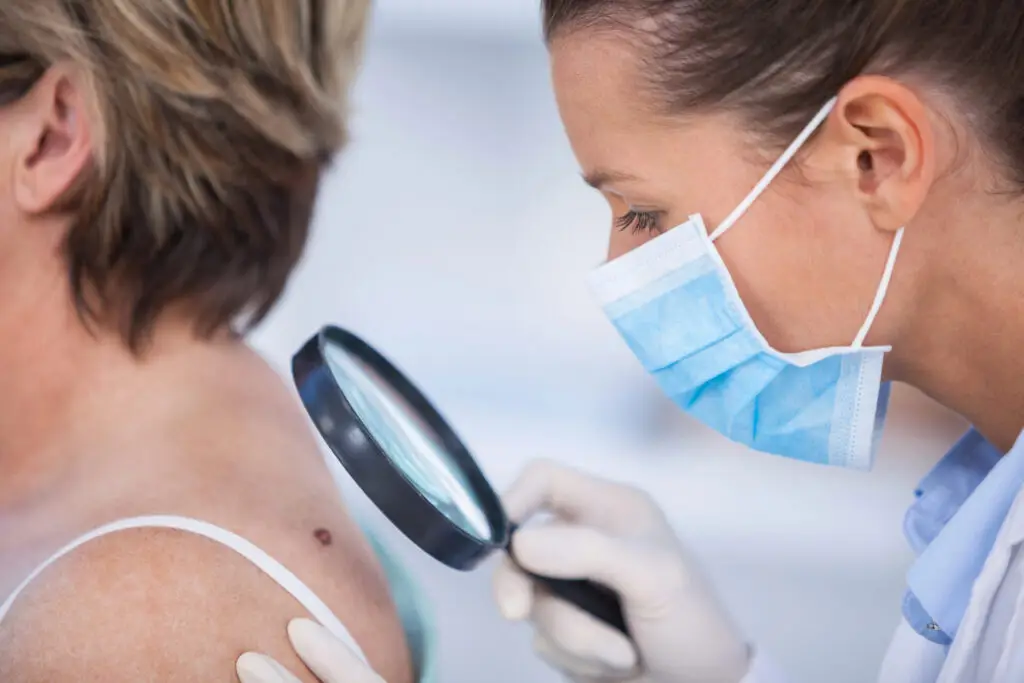
Summer presents a confluence of physiologic stressors, ultraviolet radiation, intense physical exertion, insect-borne inflammatory mediators, and heat-driven oxidative burden. The endocannabinoid system (ECS) serves as a master regulator of the inflammatory response, and two naturally derived compounds—cannabidiol (CBD) and beta-caryophyllene (BCP)—offer clinically relevant mechanisms to support ECS tone across these seasonal challenges. Here is a review of current evidence, along with practical guidance for integrative clinicians.
Clinical Takeaways
- The ECS via CB1 and CB2 receptors orchestrates inflammatory resolution, not merely suppression.
- CBD raises anandamide tone via FAAH inhibition and directly antagonizes TRPV1, addressing UV pain and sports inflammation.
- Beta-caryophyllene is the only dietary CB2 full agonist; GRAS designated and psychoactivity-free.
- Combined CBD + BCP supplementation offers additive anti-inflammatory benefit via complementary receptor mechanisms.
- Topical CBD is appropriate for insect bite reactions, sunburn nociception, and post-exercise DOMS.
- Confirm third-party testing for all CBD products; advise competitive athletes on contamination risk.
The Endocannabinoid System: A Primer for Practice
The endocannabinoid system comprises a network of G-protein-coupled receptors principally CB1 and CB2 along with endogenous ligands (anandamide and 2-arachidonoylglycerol) and their biosynthetic and degradative enzymes. CB1 receptors predominate in the central nervous system and mediate pain perception, mood, and appetite regulation. CB2 receptors are distributed primarily in peripheral immune tissues and are the principal mediators of immunomodulation and inflammatory resolution.
Critically, the ECS does not merely suppress inflammation it facilitates biochemical homeostasis. its resolution. Activation of CB2 receptors shift macrophage phenotype from pro-inflammatory M1 to reparative M2, reduces nuclear factor-kappa B (NF-κB) signaling, and promotes the synthesis of anti-inflammatory lipid mediators. For clinicians, this means ECS support during periods of high inflammatory load precisely what summer activity demands is a physiologically sound therapeutic strategy.
→ If you want to go deeper into the endocannabinoid system, visit the Today’s Practitioner Endocannabinoid Resource Center. You’ll find several chapters from Dr. Meletis’ book and multiple studies that we have curated on this topic.
CBD: Pleiotropic Anti-Inflammatory Without Psychoactivity
Cannabidiol acts through multiple anti-inflammatory pathways without binding directly to CB1 or CB2 receptors. It inhibits fatty acid amide hydrolase (FAAH), the enzyme responsible for anandamide degradation, thereby raising endogenous cannabinoid tone. CBD also antagonizes transient receptor potential vanilloid 1 (TRPV1) the receptor responsible for heat, UV-induced pain, and capsaicin sensitivity making it directly relevant to sunburn-associated nociception and thermal hyperalgesia.
In the context of sports-related inflammation, CBD attenuates interleukin-6 (IL-6) and tumor necrosis factor-alpha (TNF-α) in skeletal muscle, accelerating recovery from exercise-induced microtrauma. Topical CBD formulations have demonstrated significant reduction in delayed-onset muscle soreness (DOMS) scores and perceived exertion in recreational athletes, positioning it as a compelling adjunct to conventional sports recovery protocols.
For insect bites and contact dermatitis, CBD’s inhibition of mast cell degranulation reduces histamine release and local wheal and flare responses. Clinicians may consider topical CBD as a first-line adjunct for pruritic insect reactions, particularly in patients seeking to minimize topical corticosteroid use.
Beta-Caryophyllene: The Dietary CB2 Agonist
Beta-caryophyllene (BCP), a bicyclic sesquiterpene found in black pepper, clove, and cannabis is the only known dietary compound to act as a selective, full agonist at the CB2 receptor. This distinction is clinically significant: because BCP does not engage CB1, it produces no psychotropic effects yet delivers robust peripheral immunomodulation.
In summer-specific applications, BCP’s CB2 agonism reduces prostaglandin E2 synthesis and suppresses the NLRP3 inflammasome, a key driver of UV-induced skin inflammation and post-exercise sterile inflammation. Studies in murine models of contact hypersensitivity analogous to insect bite reactions demonstrate 40–60% reductions in ear edema and mast cell infiltration following BCP administration.
For the athletic patient, BCP’s anti-nociceptive effects synergize with CBD through complementary receptor engagement. Combined formulations demonstrate additive efficacy in inflammatory pain models at doses achievable through supplementation.
Clinical Application: A Summer Framework
Clinicians may stratify ECS-targeted support by summer stressor. For UV exposure and skin health, topical CBD (50–150 mg/oz formulation) applied after sun exposure targets TRPV1-mediated burning and reduces inflammatory cytokine expression in keratinocytes. Oral BCP (25–50 mg daily via black pepper extract) provides systemic CB2 support for photo-oxidative burden.
For sports and exercise recovery, oral CBD (15–50 mg post-exercise) combined with BCP supplementation may reduce recovery time by dampening the NF-κB-driven inflammatory cascade. Athletes subject to WADA regulations should note that CBD is no longer prohibited, though contamination risk in unverified products warrants third-party-tested sourcing. This is why sourcing CBD and other active constituents is vitally important, as clinicians we are the interface for safety for our patients when it comes to quality supplements with certificates of analysis and reproducibility.
For insect bites and acute skin inflammation, topical CBD with clove or BCP-rich essential oil (diluted to 2–3% in carrier oil) applied immediately to bite sites leverages both mast cell stabilization and CB2-mediated resolution. This combination addresses both histaminergic and prostaglandin-mediated components of the insect inflammatory response.
References
Pacher P, Bátkai S, Kunos G. “The Endocannabinoid System as an Emerging Target of Pharmacotherapy.” Pharmacological Reviews. 2006;58(3):389–462. https://doi.org/10.1124/pr.58.3.2
Turcotte C, Blanchet MR, Laviolette M, Flamand N. “The CB2 Receptor and Its Role as a Regulator of Inflammation.” Cellular and Molecular Life Sciences. 2016;73(23):4449–4470. https://doi.org/10.1007/s00018-016-2300-4
Bisogno T, Hanus L, De Petrocellis L, et al. “Molecular Targets for Cannabidiol and Its Synthetic Analogues: Effect on Vanilloid VR1 Receptors and on the Cellular Uptake and Enzymatic Hydrolysis of Anandamide.” British Journal of Pharmacology. 2001;134(4):845–852. https://doi.org/10.1038/sj.bjp.0704327
Isenmann E, Veit L, Starke L, Flenker U, Diel P. “Effects of Cannabidiol Supplementation on Skeletal Muscle Regeneration after Intensive Resistance Training.” Nutrients. 2021;13(9):3028. https://doi.org/10.3390/nu13093028
Petrosino S, Verde R, Vaia M, Allarà M, Iuvone T, Di Marzo V. “Anti-Inflammatory Properties of Cannabidiol, a Nonpsychotropic Cannabinoid, in Experimental Allergic Contact Dermatitis.” Journal of Pharmacology and Experimental Therapeutics. 2018;365(3):652–663. https://doi.org/10.1124/jpet.117.244368
Gertsch J, Leonti M, Raduner S, et al. “Beta-Caryophyllene Is a Dietary Cannabinoid.” Proceedings of the National Academy of Sciences. 2008;105(26):9099–9104. https://doi.org/10.1073/pnas.0803601105
Basha RH, Sankaranarayanan C. “β-Caryophyllene, a Natural Sesquiterpene, Attenuates Oxidative Stress and Inflammation in Hyperglycemia.” Biomedicine & Pharmacotherapy. 2016;84:1527–1534. https://doi.org/10.1016/j.biopha.2016.11.025
Klauke AL, Racz I, Pradier B, et al. “The Cannabinoid CB2 Receptor-Selective Phytocannabinoid Beta-Caryophyllene Exerts Analgesic Effects in Mouse Models of Inflammatory and Neuropathic Pain.” European Neuropsychopharmacology. 2014;24(4):608–620. https://doi.org/10.1016/j.euroneuro.2013.10.008
Bento AF, Marcon R, Dutra RC, et al. “β-Caryophyllene Inhibits Dextran Sulfate Sodium-Induced Colitis in Mice through CB2 Receptor Activation and PPARγ Pathway.” American Journal of Pathology. 2011;178(3):1153–1166. https://doi.org/10.1016/j.ajpath.2010.11.052
World Anti-Doping Agency. “Cannabidiol (CBD) — 2023 Prohibited List Update.” WADA Technical Document TD 2023MRPL. Montreal: WADA; 2023. chrome-extension://efaidnbmnnnibpcajpcglclefindmkaj/https://www.wada-ama.org/sites/default/files/2023-05/2023list_en_final_9_september_2022.pdf