stay updated with our newsletter

Can Melatonin Treat Irritable Bowel Syndrome (IBS)?

Melatonin is a sleep hormone that helps regulate the body’s circadian rhythm. Intestinal melatonin levels are 400 times higher than in systemic circulation, playing a major role in gut health. It has anxiolytic, anti-inflammatory, antioxidant, and motility-regulating effects. Human studies have shown that supplementation improves motility, visceral sensitivity, and symptoms seen in IBS, gastroesophageal reflux disease (GERD), and inflammatory bowel disease (IBD). Newer studies continue to support the benefit of melatonin with IBS.
Categories IBS

Probiotic Metabolite May Help Treat IBS

Science is only beginning to understand the role that the gut microbiome—the collection of bacteria and other microbes that live in our intestines—plays in our overall health. For one thing, these tiny tenants of our digestive system metabolize various components of our diets to produce beneficial fatty acids (FAs) thatRead

Does Fiber Make IBD Worse?

Eat more fiber — patients with irritable bowel disease (IBD) hear it all the time from well-meaning experts. But what if that advice is wrong, or even harmful? According to a new study in Gastroenterology, certain types of fiber can cause inflammation in people with IBD, actually making symptoms worse.Read

Bacterial Histamine Linked to Abdominal Pain in IBS

Scientists from McMaster University and Queen’s University, both in Ontario, Canada, have identified a gut bacterial ‘super-producer’ of histamine that can trigger pain flare-ups in some irritable bowel syndrome (IBS) patients. The offender has been named Klebsiella aerogenes, the McMaster-Queen (MQ) strain, and it appears in up to 25 percentRead

Which Diet Is Best for IBS?

Three popular IBS diets went head-to-head in a recent British study from Clinical Gastroenterology and Hepatology — low-FODMAP (LFD), gluten-free (GFD), and traditional dietary advice (TDA). Researchers were surprised to discover that all three eating plans reduced symptoms by roughly 50% among subjects suffering from non-constipated irritable bowel syndrome (IBS). Read

IBS and Dysbiosis: It’s Time to Tend Your Garden

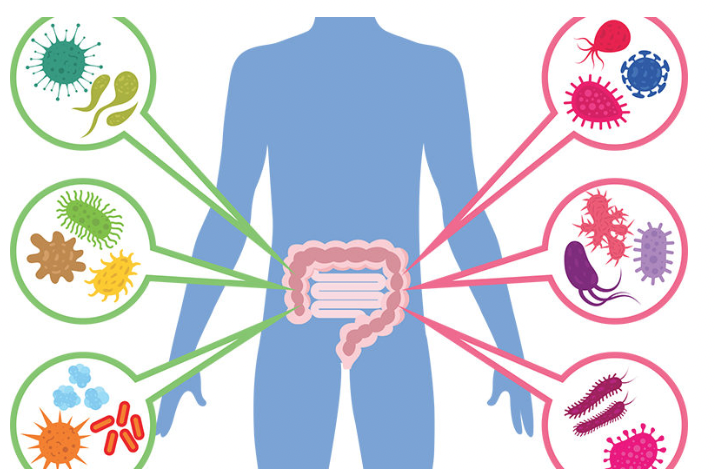
Your gut is home to an estimated 100 trillion microorganisms. They include bacteria, fungi, viruses, protozoans, amoebas, and their genetic information. Collectively this is known as your microbiome, a type of ecosystem — much like a rainforest with trillions of living creatures. But a garden is an excellent analogy, too,Read

What is a Medical Food for IBS?

Probiotics are commonly used dietary supplements for occasional digestive disorders. But you should know — not all products are the same. If you live with the often-debilitating symptoms of a more serious digestive disorder such as IBS, a medical food might be a better choice to manage your symptoms. ProbioticsRead

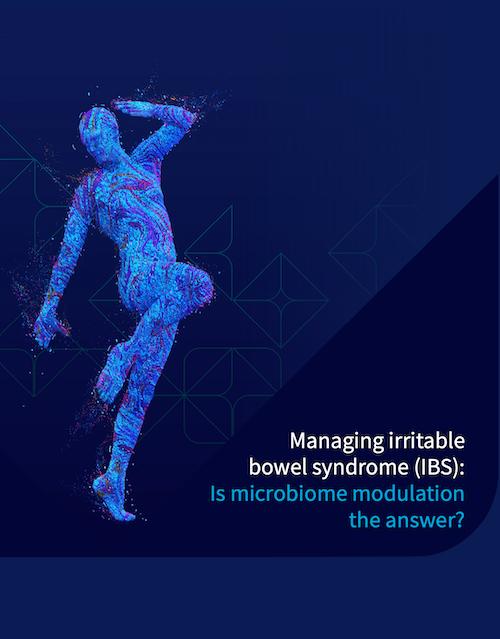
White Paper: Importance of Microbiome Modulation & Medium-Chain Prebiotics for Irritable Bowel Syndrome

Managing Irritable Bowel Syndrome (IBS) can be a complex process, as there are many factors that influence IBS, including stress, environmental toxins, nutrient depletion and gut dysbiosis. Often, by the time you see the patient, they have have been prescribed antibiotics and suffered from chronic infections, which only complicates resolvingRead