stay updated with our newsletter

Essential Oils as Multitarget Therapeutics: A Microbiome-Centered, Evidence-Informed Approach to Clinical Practice

Explore how essential oils differ from conventional antibiotics through their multitarget mechanisms of action, microbiome-centered effects, and whole-person physiological influences. Learn evidence-informed principles of formulation, delivery, safety, medication interactions, and clinical applications for respiratory, digestive, and urinary health while supporting responsible antibiotic stewardship.

Understanding the Gut Lung Axis

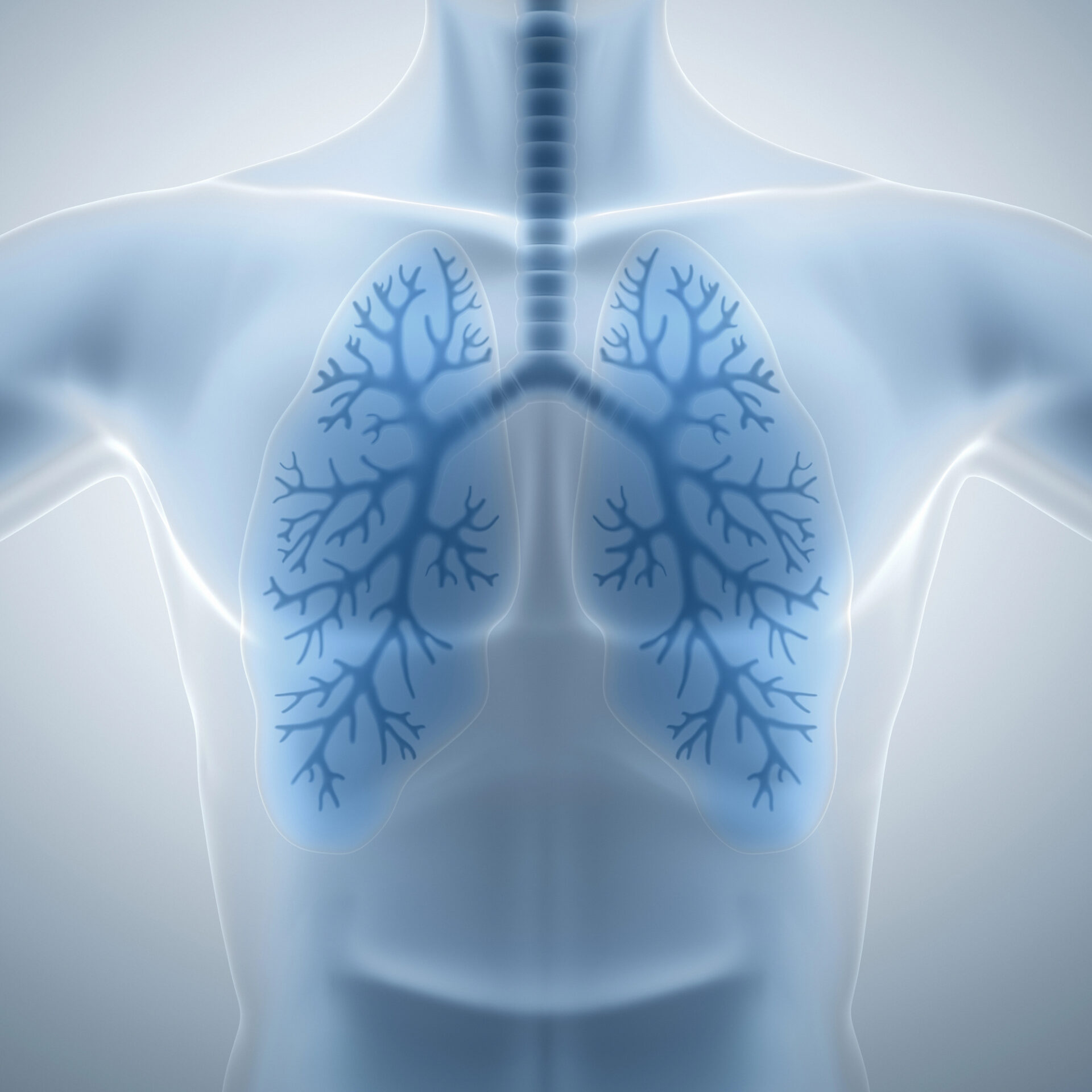
In this episode of the OneMedicine Podcast, Kara Siedman, a registered dietitian, and Dr. Vivek Lal, the founder and CEO of ResBiotic, joined Rob Lutz for an in-depth discussion on the gut-lung axis and how the microbiome can impact respiratory and metabolic health. Key Takeaways: The importance of the gutRead

The Multifaceted Benefits of Probiotics and Postbiotics: Unlocking Gut-Brain, Immune, and Metabolic Health

The human microbiome represents a complex and profoundly influential inner ecosystem, consisting of trillions of microorganisms such as bacteria, fungi, viruses, and other microbes. These microorganisms play a critical role in digestion, metabolism, immunity, metabolism, and mental health (Turnbaugh et al., 2007; Suez et al., 2019). They contribute to numerous physiological processes, including:

A Clinical Protocol to Support the Gut–Lung Axis

Emerging research highlights the Gut–Lung Axis as a critical pathway in regulating both respiratory and systemic immunity. This bidirectional communication is mediated through microbial metabolites such as short-chain fatty acids (SCFAs), mucosal immune signaling, and inflammatory cascades. When the gut microbiome becomes imbalanced (dysbiosis), the result is reduced SCFA production,Read

Can Prebiotics Help Brain Health in Aging Adults?

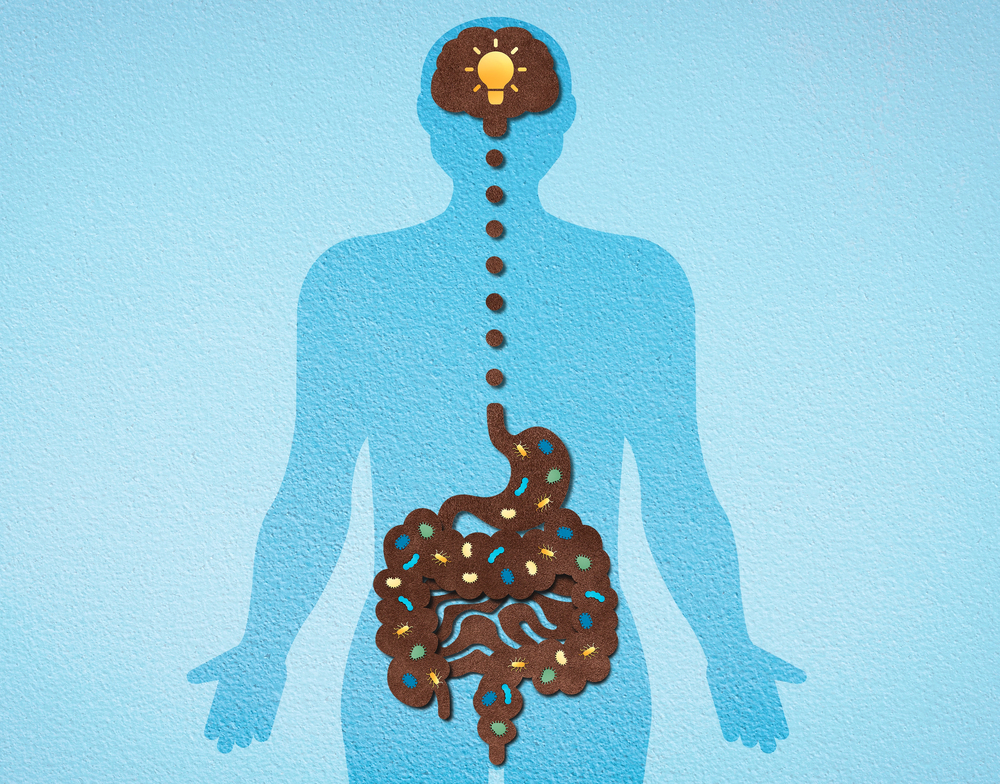
The gut-brain axis communicates through metabolic, neural, immune, and endocrine pathways, which are influenced by the gut microbiota. Prebiotics are foods used by the gut microbiota to improve health. Prebiotics, such as inulin and fructooligosaccharides (FOS), are present in many foods and microbiome-supporting supplements. It’s a relatively inexpensive and easyRead

The Gut–Lung Axis in Respiratory Disease: Mechanisms and New Interventions

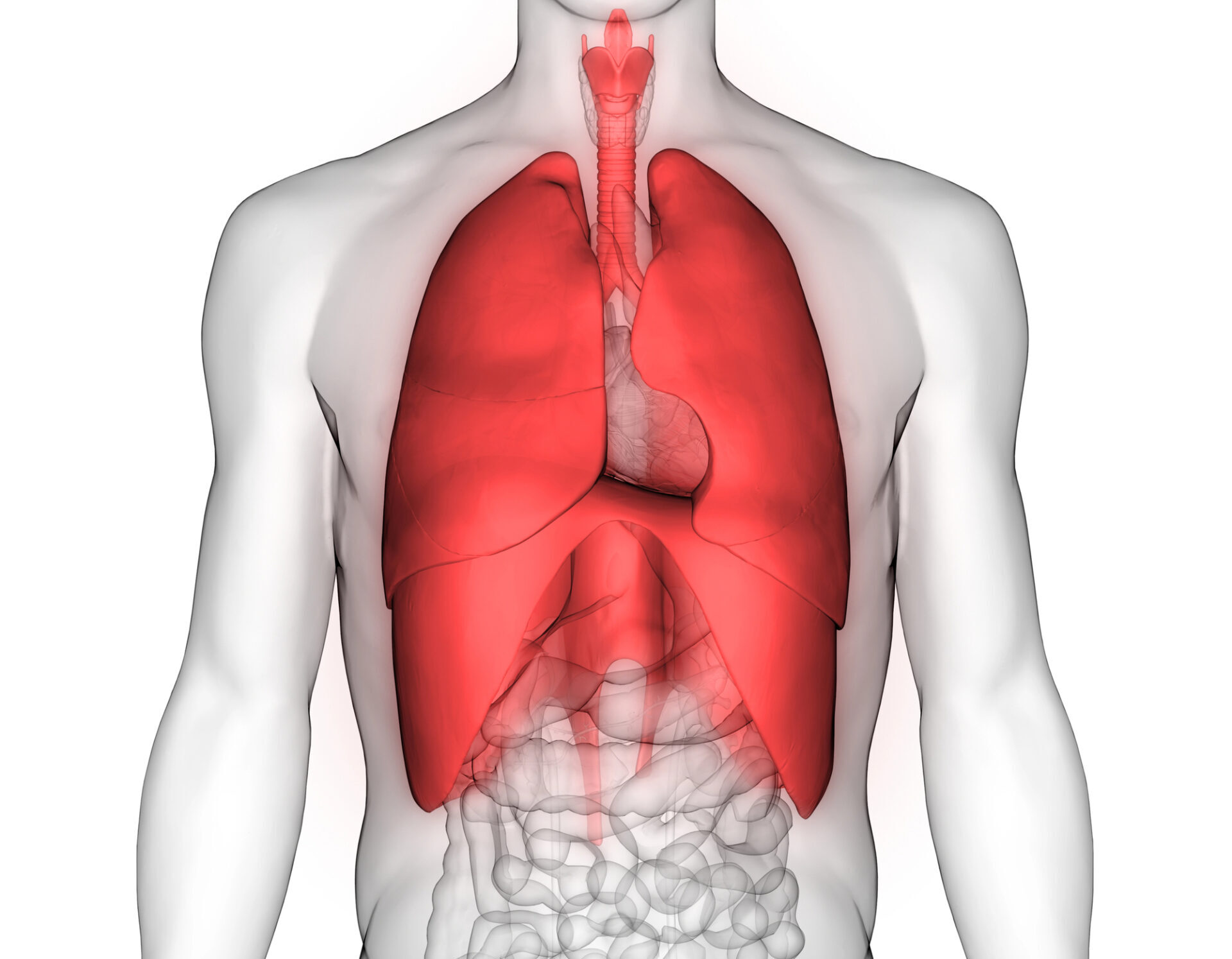
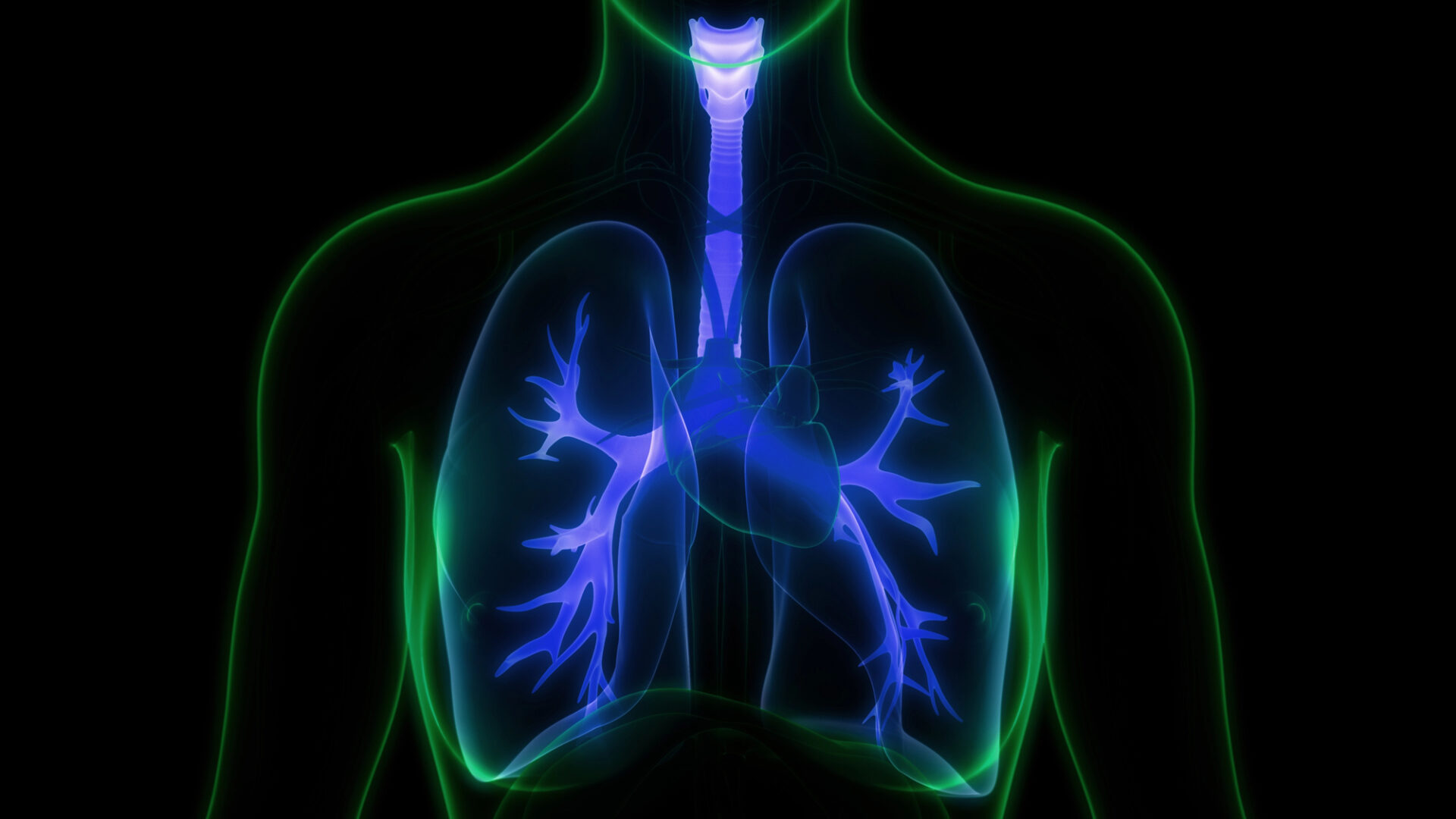
Managing chronic pulmonary diseases can be challenging, with factors such as air pollution and COVID-19 compounding the issue. Microbial imbalances in the gut microbiome also contribute to the development of chronic lung diseases through the gut-lung axis. New research supporting modulation of the gut microbiome may offer a solution forRead