stay updated with our newsletter

Glaucoma Reframed: Targeting RGC Death, Not Just IOP

Glaucoma management focused exclusively on IOP reduction addresses one risk factor while leaving the primary pathological mechanism—RGC apoptosis driven by mitochondrial failure, neuroinflammation, cortisol-mediated trabecular meshwork dysfunction, and autonomic vascular dysregulation—substantially unaddressed.

Sunlight as a Non-Invasive Modulator of Ocular and Systemic Mitochondrial Function

The outer retina is abundant in mitochondria and is sensitive to the effects of aging. Studies have shown that exposure to long-wavelength light results in improved visual function via improved mitochondrial function. Therapeutic light applications are generally used on targeted tissues, but a new study shows that regional light exposure to the thorax has beneficial distal effects on vision.

Hydroquinine as Potential Solution for Microbial keratitis

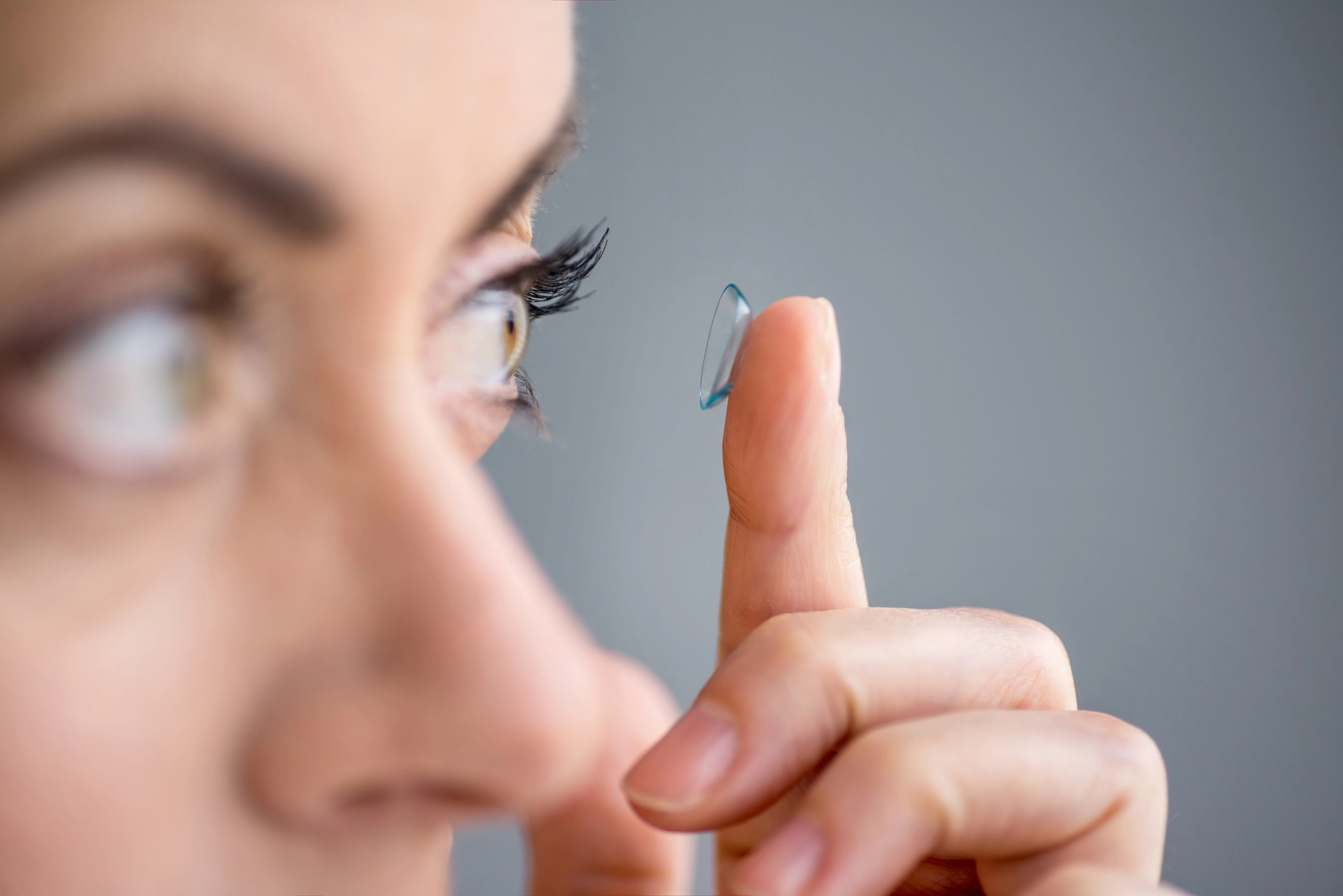
Microbial keratitis—one of the most serious potential complications for contact lens wearers—is an infection of the cornea caused by bacteria, most commonly Pseudomonas aeruginosa. There are up to 3.5 million reports of corneal infections annually, and in extreme cases, it can result in permanent eye damage and vision loss. TheRead

Carotenoid Combo Enhances Eye-Hand Coordination

Lutein, zeaxanthin, and astaxanthin are antioxidant carotenoids best known for their powerful eye-protective benefits. Now researchers believe this synergistic combo also helps improve eye-hand coordination after visual display terminal (VDT) use, according to a randomized, placebo-controlled study in the journal Nutrients. VDT operation can impair eye-hand coordination and smooth-pursuit eyeRead