Novel Formulation Improves CBD Bioavailability
While science continues to explore the health benefits of cannabidiol (CBD), oral bioavailability has been a constant issue due to ...

Breakthrough Results with MCP for Prostate Cancer
Prostate cancer is the second most common cause of cancer-related death in men. While there have been several diagnostic and ...

Prenatal Exposure to Environmental Chemicals Linked to Increased Childhood Body Mass
Over the past few decades, concern has been steadily increasing over the prevalence of endocrine-disrupting chemicals (EDCs) in our environment ...
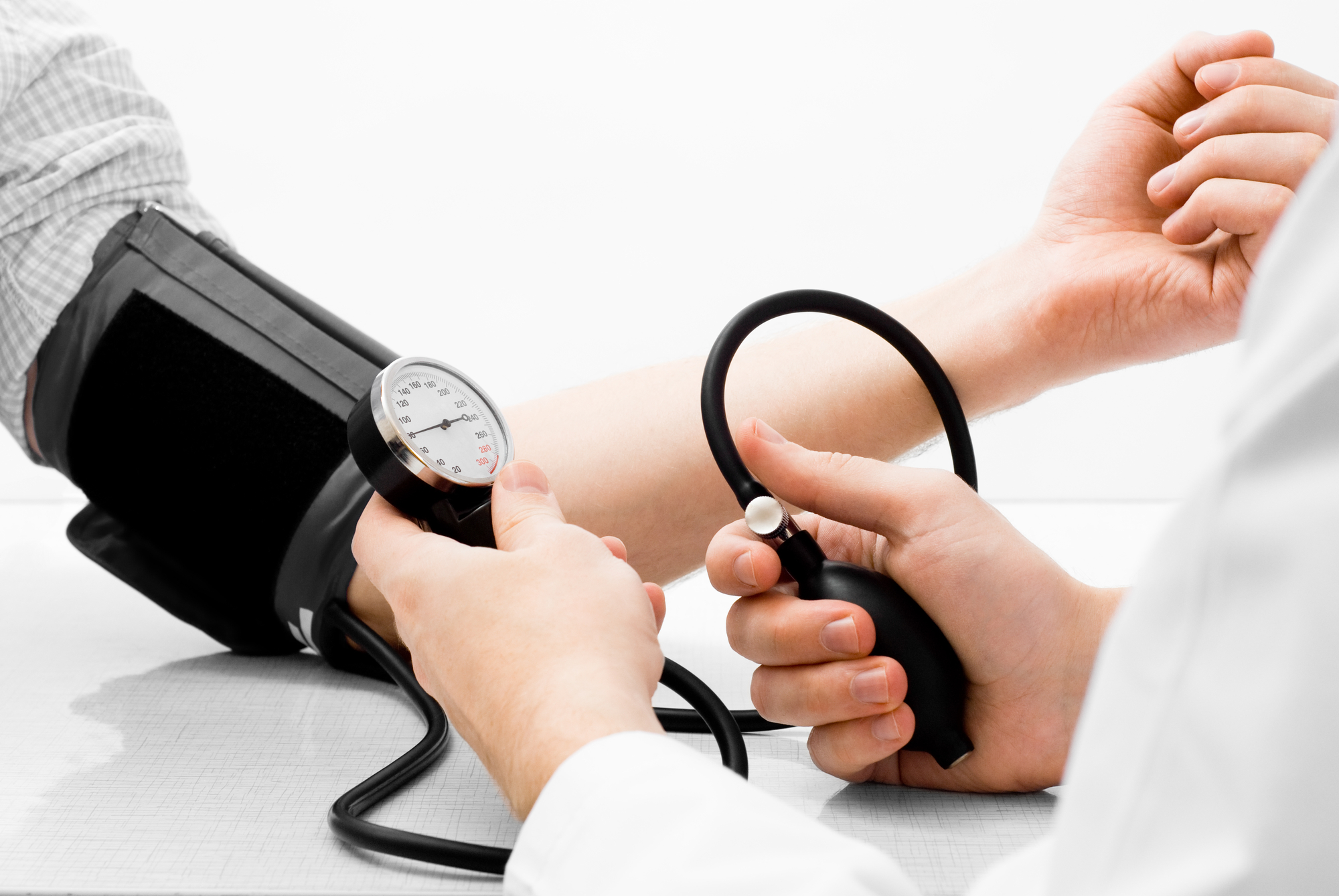
Probiotics Show Promise as Treatment for Hypertension
An estimated 40 percent of the global adult population has high blood pressure, or hypertension, which puts people at risk ...

Before the bugs hit: protect your patients with science-backed supplements shown to enhance immunity.
Given the continuing uncertainty about COVID-19 variants and this season’s suspected infection rates, we’re all bracing for winter. Meanwhile, the ...

Young Americans Will Spend Half Their Lives Taking Prescription Drugs
It’s no secret that Americans take a lot of prescription drugs. But a new study published in the journal Demography ...
Researchers Develop Test to Measure Blood Levels of Omega-3s
While the human body can generate most of the fats it needs, it cannot produce adequate levels of omega-3 fatty ...

Beyond a Backup Plan: Why a multi may be more important than you think.
Recommending a daily multivitamin and mineral supplement may be part of your standard practice, as an insurance policy to fill ...

Honoring Daniel Benor, MD – Intuitive Medicine Pioneer
I was introduced to the work of Dr. Daniel Benor, a pioneering voice in biofield research, while writing my book, ...

Can a Small Daily Dose of Vitamin K2 Support Bone Health?
A randomized trial found that 100 mcg of vitamin K2 improved osteocalcin activation in healthy adults. But does that mean stronger bones?

Natural Strategies to Address Cardiovascular Health in Women
Cardiovascular disease remains the leading cause of death in women, yet it continues to be underdiagnosed, misunderstood, and undertreated in female patients. Women experience different symptoms, different risk timelines, and different physiological triggers than men — and the consequences of missing those ...

Is Your Patient Ready for Sauna? The Missing Step in Heat Therapy Protocols
Sauna is one of the most evidence-backed lifestyle interventions for cardiovascular and brain health—but its benefits are not automatic. In chronically stressed, depleted patients, the same thermal dose that extends healthspan in Finnish cohorts can act as additional allostatic load.

Resveratrol: A Versatile Anti-Inflammatory Agent Across Multiple Conditions
A quick dive into PubMed yields numerous human studies on resveratrol in the past year alone. These recent studies show benefits for patients with osteoarthritis, cardiometabolic disease, Alzheimer’s disease, COVID-19, polycystic ovarian syndrome (PCOS), and periodontal disease. Its antioxidant and anti-inflammatory actions ...

The Aging Female Heart: Beyond the Male Model of Cardiovascular Care
Heart health remains a universal concern, but women face a distinct set of structural, biological and psychosocial influences that drive cardiovascular risk. As female patients transition through menopause—and the protective effects of estrogen drop—their risks amplify. Women require a personalized approach to ...
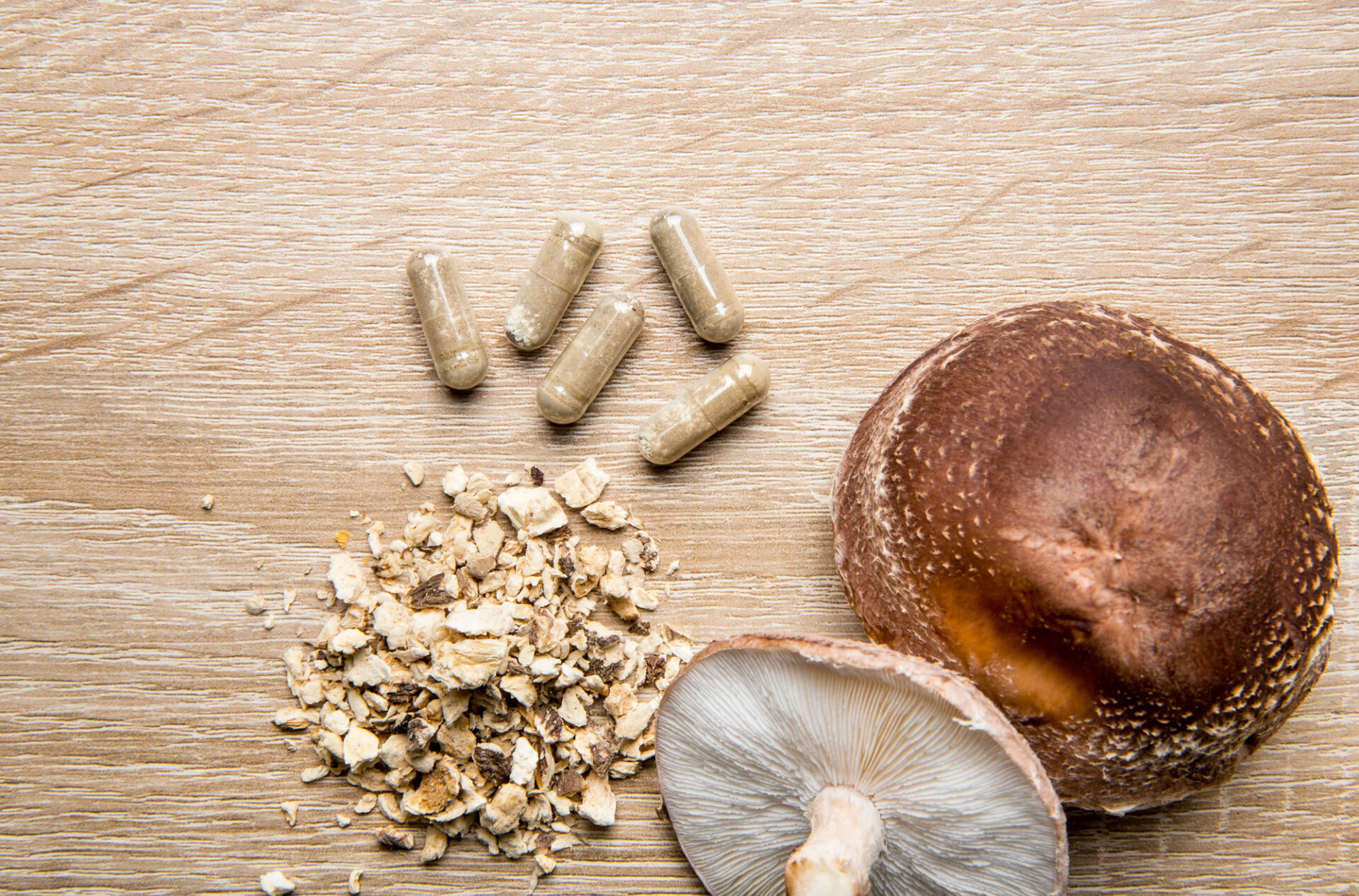
AHCC and Immunity: Evidence-Based Insights into Comprehensive Immune Support
From infection protection to disease prevention—how this shiitake mushroom extract offers comprehensive immune support for all your patients. For centuries, shiitake (Lentinula edodes) mushrooms have been a cornerstone of traditional medicine, valued for their ability to promote immunity, vitality and longevity. ...
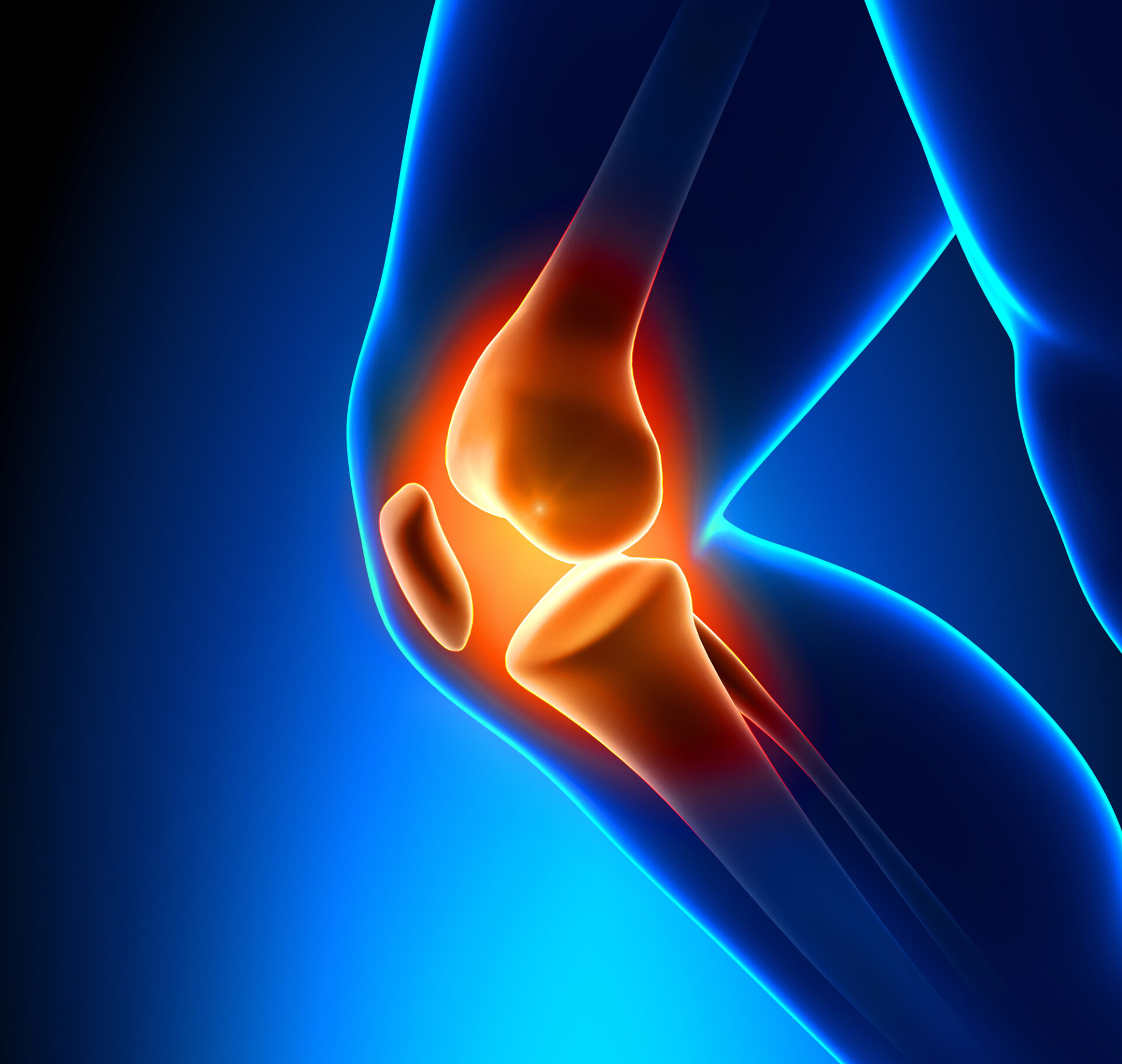
Comprehensive Joint Support: Science-Backed Solutions
An evidence-based protocol can ease aches and pains, tame inflammation, and help active patients stay in the game. All active patients, from weekend warriors to aging athletes, face a variety of physical challenges, ranging from shifts in muscle mass and flexibility to ...

Understanding Methylation for the Busy Practitioner: What is Methylation, How Do You Test, and Treat?
Chronic health consequences associated with hypomethylation include cardiovascular disease, autoimmune disease, diabetes, neurodegenerative disease, psychological disorders, and cancer.8,9 DNA methylation results in gene regulation by switching genes on and off and is the most well-studied epigenetic mechanism.10 Epigenetics relates to how environmental ...
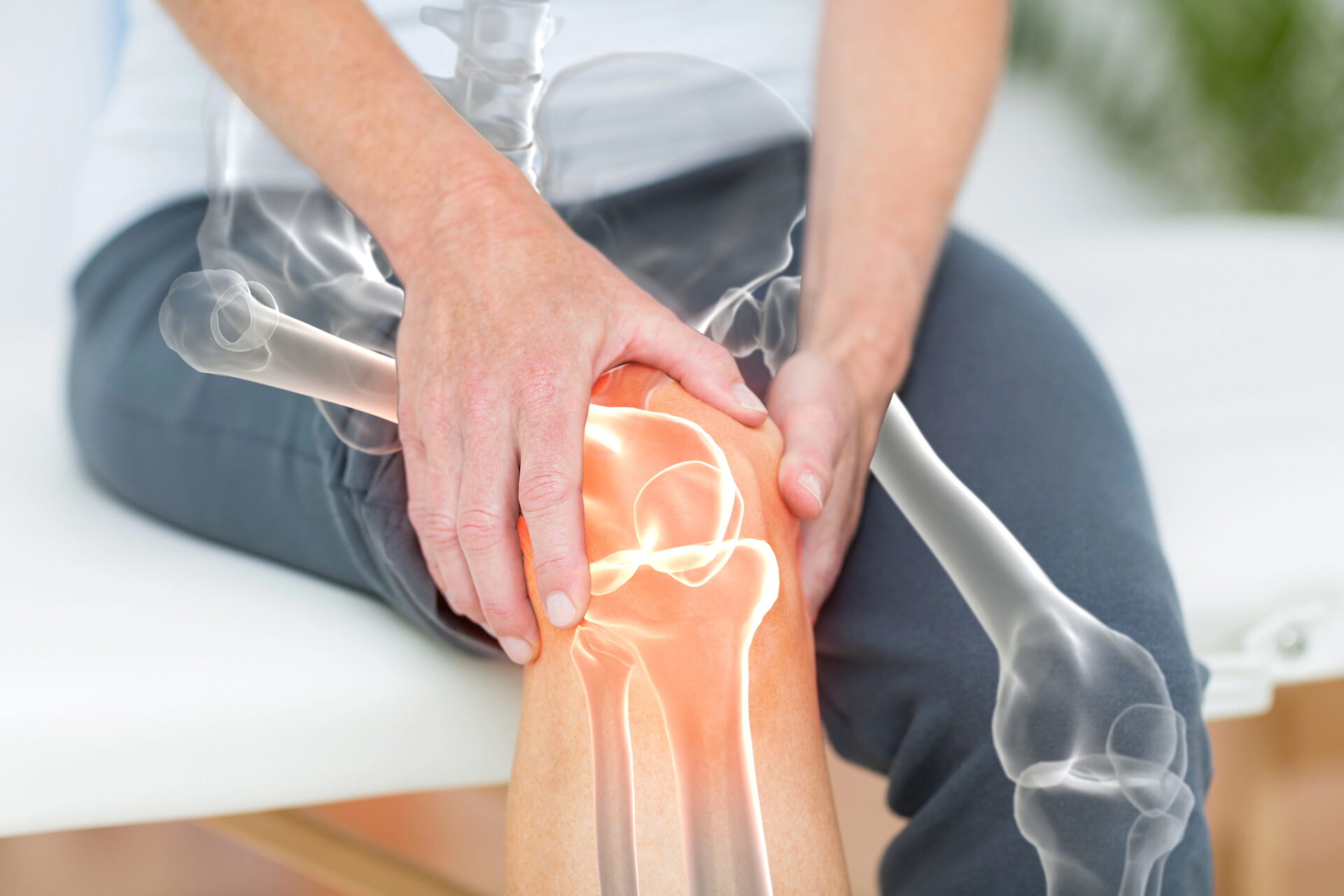
Taming Joint Pain Without NSAIDS
Natural botanicals backed by science offer safe, effective solutions to ease inflammation, minimize pain and protect joints from damage. For joint pain, stiffness and swelling, active patients have few alternatives. NSAIDs like celecoxib, naproxen and diclofenac are linked with an alarming range ...