stay updated with our newsletter

Blood Mycotoxin Testing: Evidence, Limitations, and Interpretation

Navigating toxin-related illnesses, particularly those involving mold exposure and mycotoxins, can feel overwhelming. However, the availability of evidence-based testing methods provides a clearer path forward. By understanding the range of laboratory assessments, clinicians can make more informed clinical decisions, differentiate between exposure and illness, and develop targeted treatment plans.

Heart Health eBook… Food, Nutrients & Top Wellness Tips

Cardiovascular disease remains the leading cause of death in the U.S., yet much of its risk is modifiable through targeted lifestyle and nutritional interventions. This patient friendly overview highlights eight evidence-based strategies—including blood sugar control, sleep optimization, stress management, and exercise—alongside key cardioprotective foods and nutrients such as omega-3–rich fish,Read

What Decades of Vitamin C Research Say About Mental Health & Stress Resilience

Research published in the Journal of Nutritional Biochemistry reveals vitamin C’s powerful role in mental health beyond basic nutrition. This comprehensive review demonstrates how ascorbic acid modulates stress physiology, supports neurotransmitter function, and may help reduce anxiety and depression symptoms. Learn how this essential vitamin concentrates in brain tissue to regulate mood-controlling pathways and discover evidence-based approaches for incorporating vitamin C into mental health treatment plans.

Mycotoxin Biotransformation and Detox Support: 8 Evidence-Informed Supplements

A solid supplement protocol can optimize the body’s natural detoxification processes and expedite a patient’s recovery from mycotoxin illness. Since many patients with mycotoxin illness struggle with neurological consequences, supplements that help support brain health can address common symptoms like brain fog, confusion, memory loss, sleep disruption, anxiety, depression, and mood swings. Supplements may also help repair the immune system, support the body’s cellular function and metabolic processes, and reverse oxidative cellular and tissue damage.

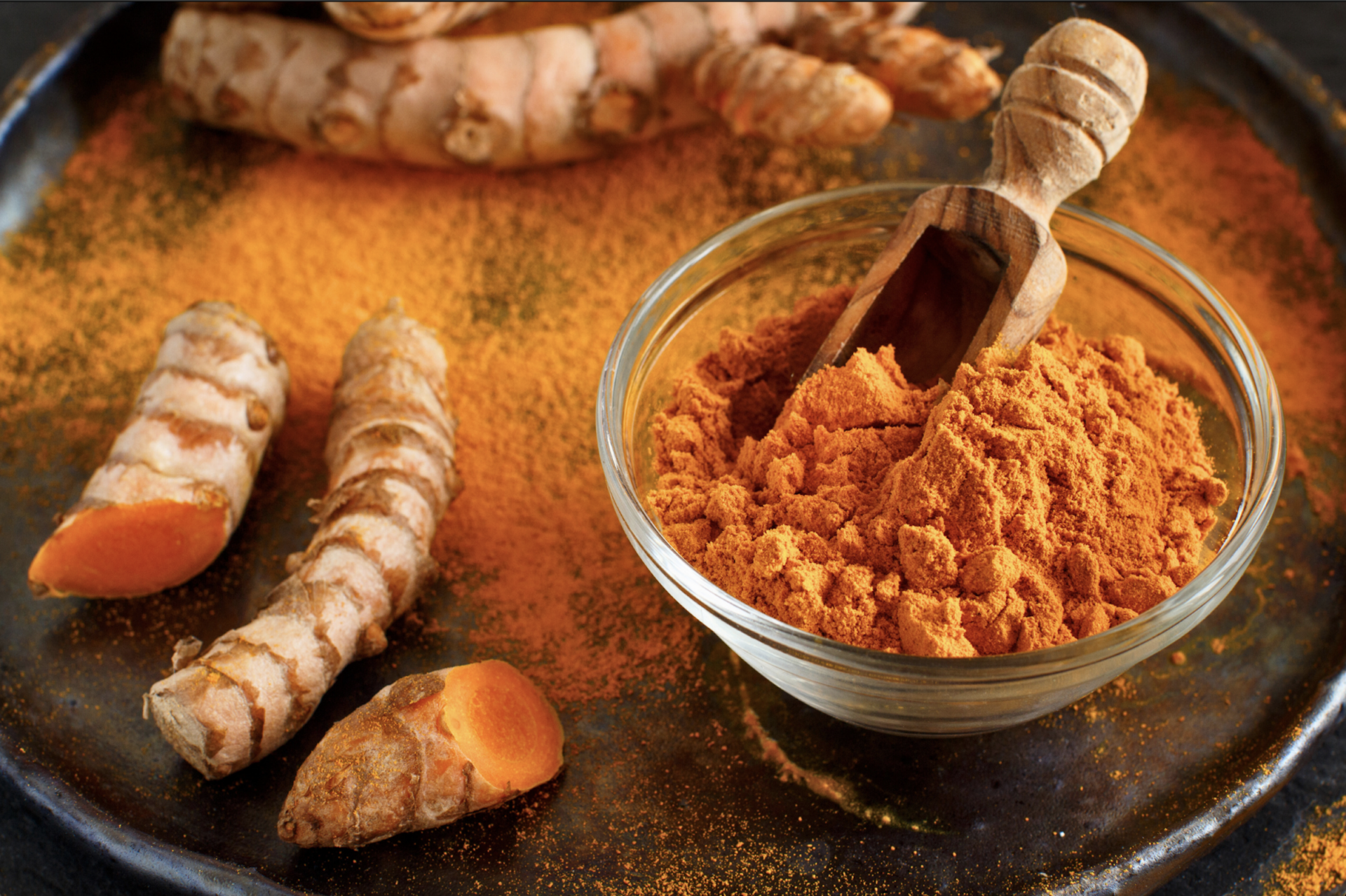
Curcumin’s Role as a Broad-Spectrum Detox Agent

Curcumin appears to be a promising broad‑spectrum protective agent against diverse chemical and natural toxicants in preclinical models. It is generally well tolerated in humans, but poor oral bioavailability, heterogeneous dosing, and a lack of well‑controlled human trials mean it is not yet ready for routine, evidence‑based recommendation as a primary “detox” therapy.