Specific Ultraprocessed Food Ingredients May Raise Hypertension Risk

A new study suggests that specific ingredients in ultraprocessed foods may be linked to a higher risk of developing hypertension.

A new study suggests that specific ingredients in ultraprocessed foods may be linked to a higher risk of developing hypertension.

Even acknowledging the potential benefits of carnivore and keto diets for some conditions, it’s hard to ignore the extensive meta-analytic evidence linking higher fiber intake with better health outcomes. For most people, increasing fiber intake is a low-risk change with considerable potential upside.

Explore how gamma cyclodextrin improves the effectiveness of fat-soluble nutrients like berberine, CoQ10, and red ginseng—making them more bioavailable and clinically powerful.

Incidence of adult obesity has doubled in the past 25 years, with almost 1 billion people worldwide—about 1 in every 8—classified as obese in 2022. And with nearly 50% of the global adult population meeting the clinical definition of overweight, those numbers don’t show any signs of decreasing. This epidemicRead

A study published in the Journal of the Academy of Nutrition and Dietetics shows that a high intake of ultra-processed foods is associated with insomnia.

The link between diet and brain health has been well established, with research showing that a so-called Western diet high in saturated fats and simple sugars may trigger Alzheimer’s disease. Research also shows that people who suffer from Alzheimer’s tend to have lower levels of a neurotransmitter called acetylcholine, whichRead
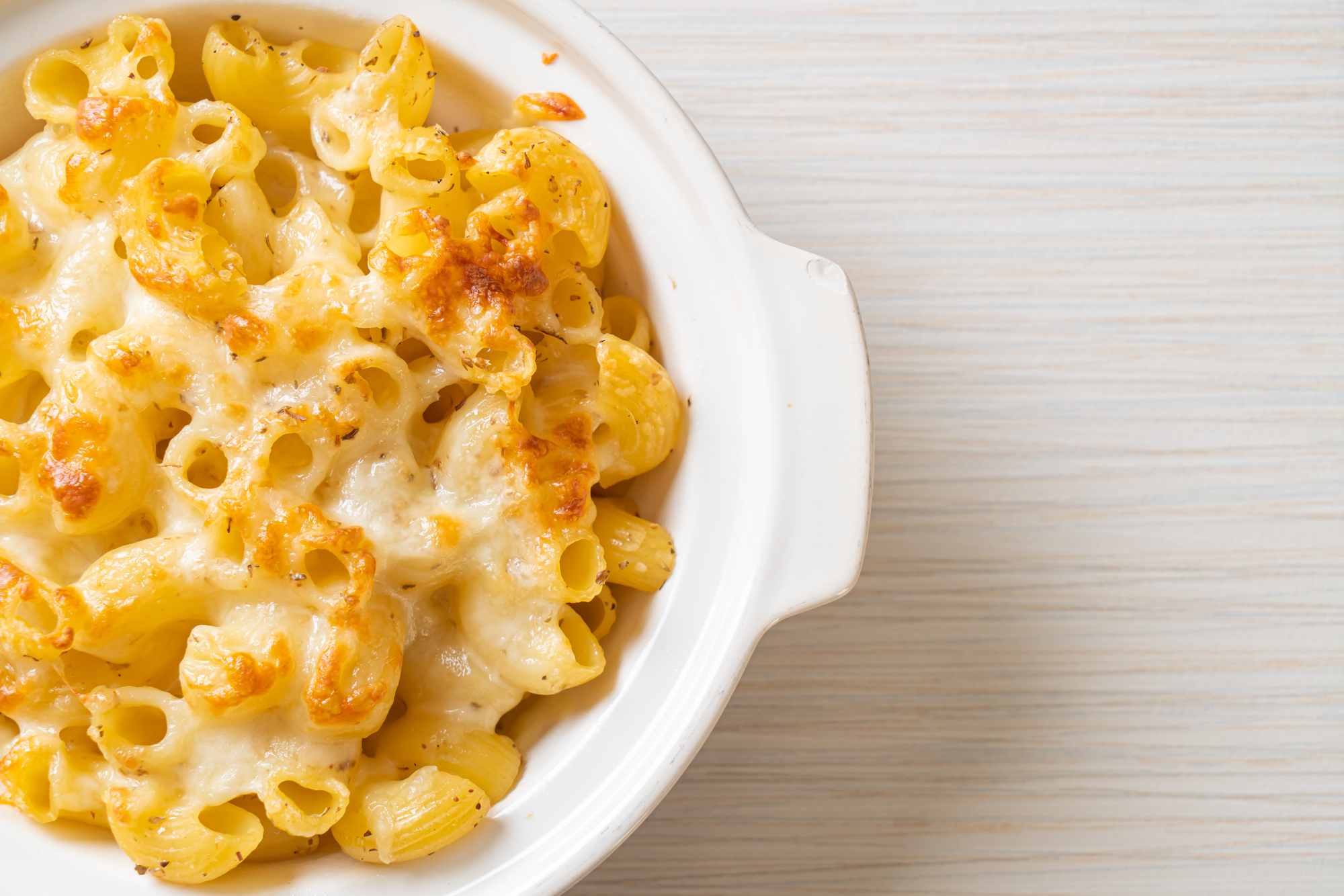
We’re all familiar with stress eating. You feel the pressure getting to you and you reach for a “comfort” food—one that’s usually full of fat or sugar or both. Sure, you know these foods aren’t good for you, but they sure help take the edge off. Or do they? ScientistsRead
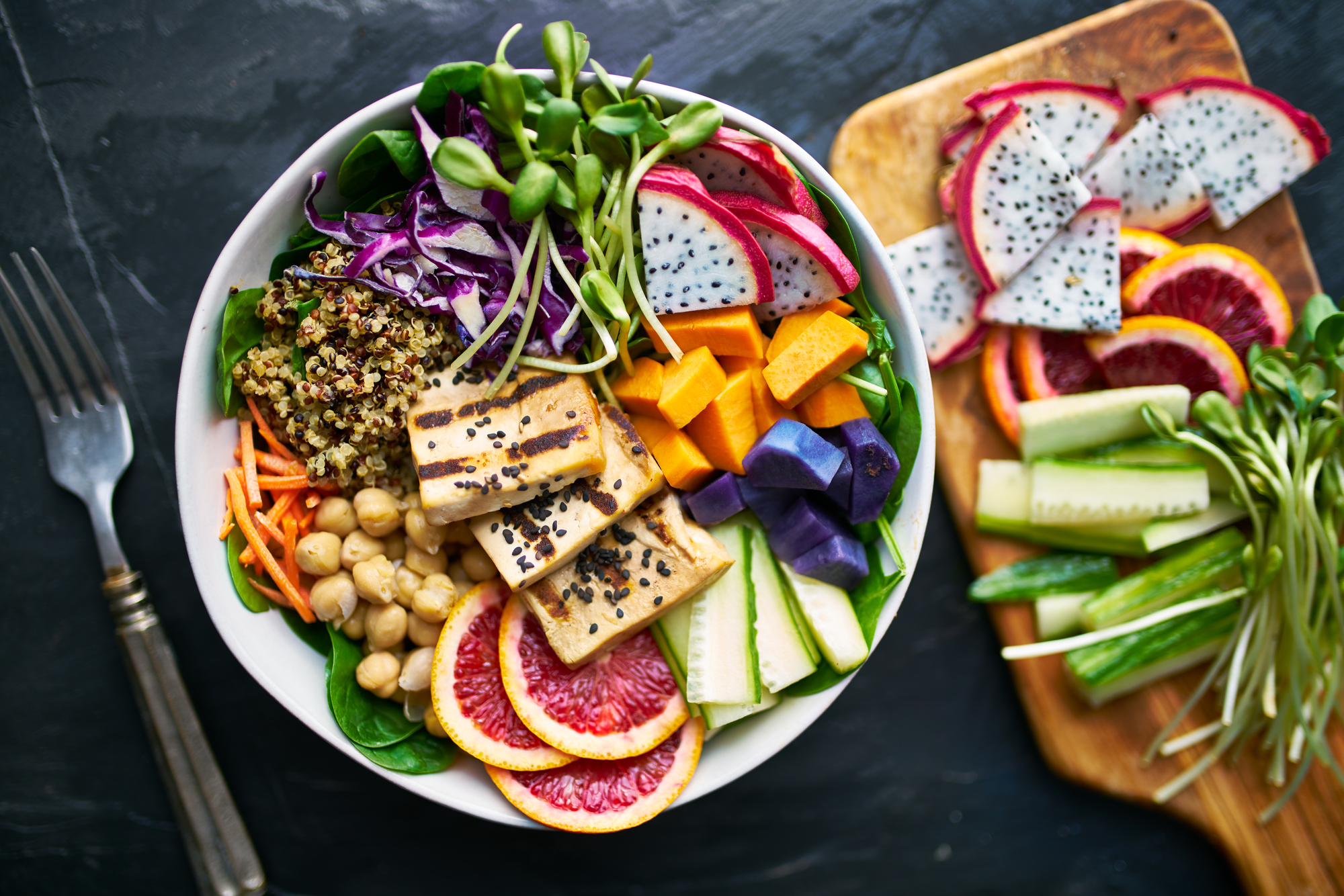
The idea that eating less meat can improve cardiovascular health certainly isn’t new. Studies have found that people who eat less meat—especially less red meat—have a lower incidence of cardiovascular diseases and a lower risk of fatal ischemic stroke. While there is some debate as to the exact relationship ofRead
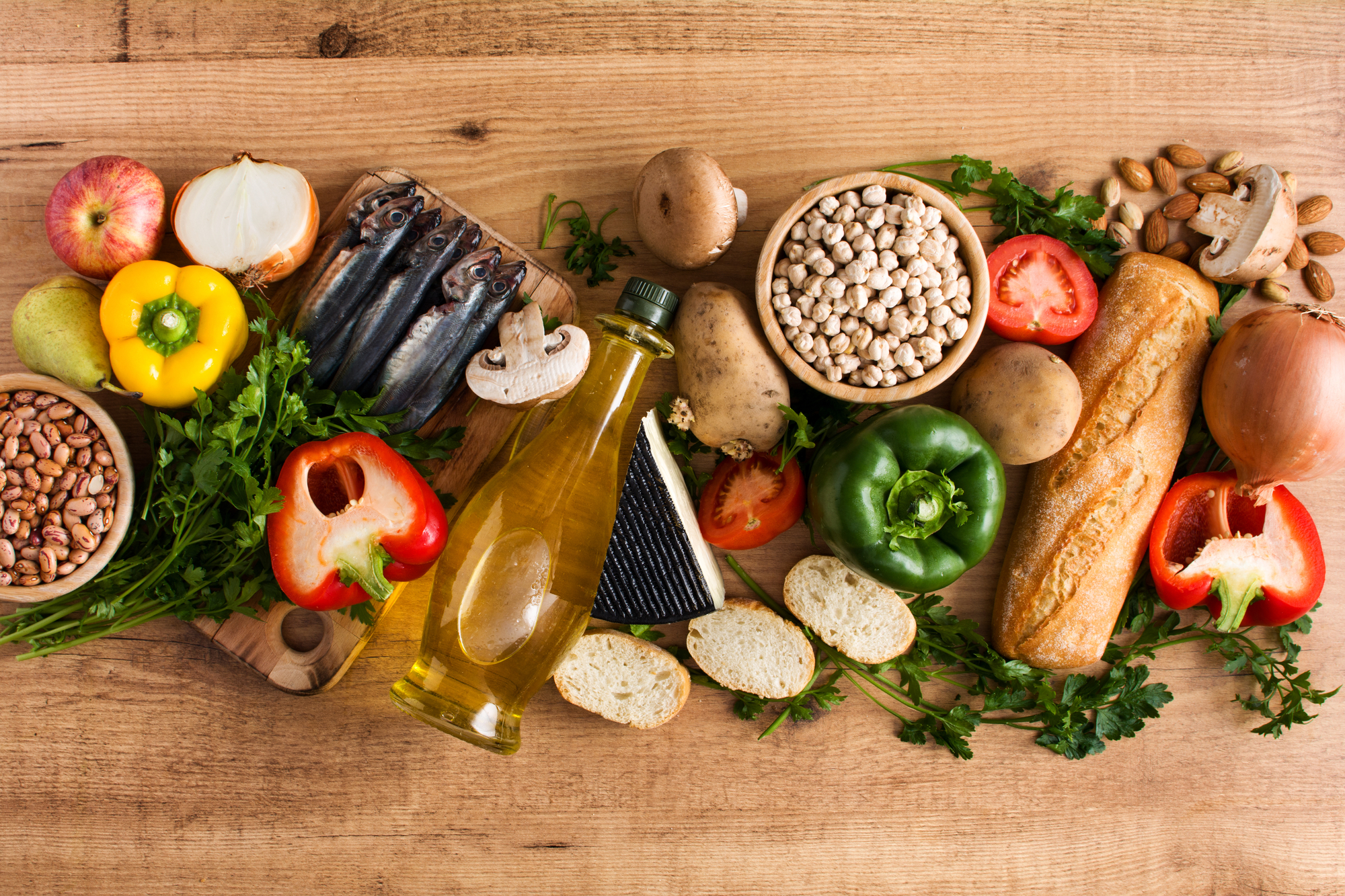
The so-called Mediterranean diet—which focuses mainly on fresh vegetables, fish, whole grains, and olive oil—has received a lot of press in recent years for its heart-health benefits. Studies have shown that people who follow this basic eating plan have a reduced risk of both cardiovascular disease and all-cause mortality. ARead

Alzheimer’s disease is the most common form of dementia, affecting nearly 6 million people in the United States in 2020 and projected to impact as many as 14 million by the year 2060. Symptoms typically manifest after age 60 and include memory loss that disrupts daily life, difficulty completing familiarRead