stay updated with our newsletter

Mechanisms Along the Gut-Brain Axis

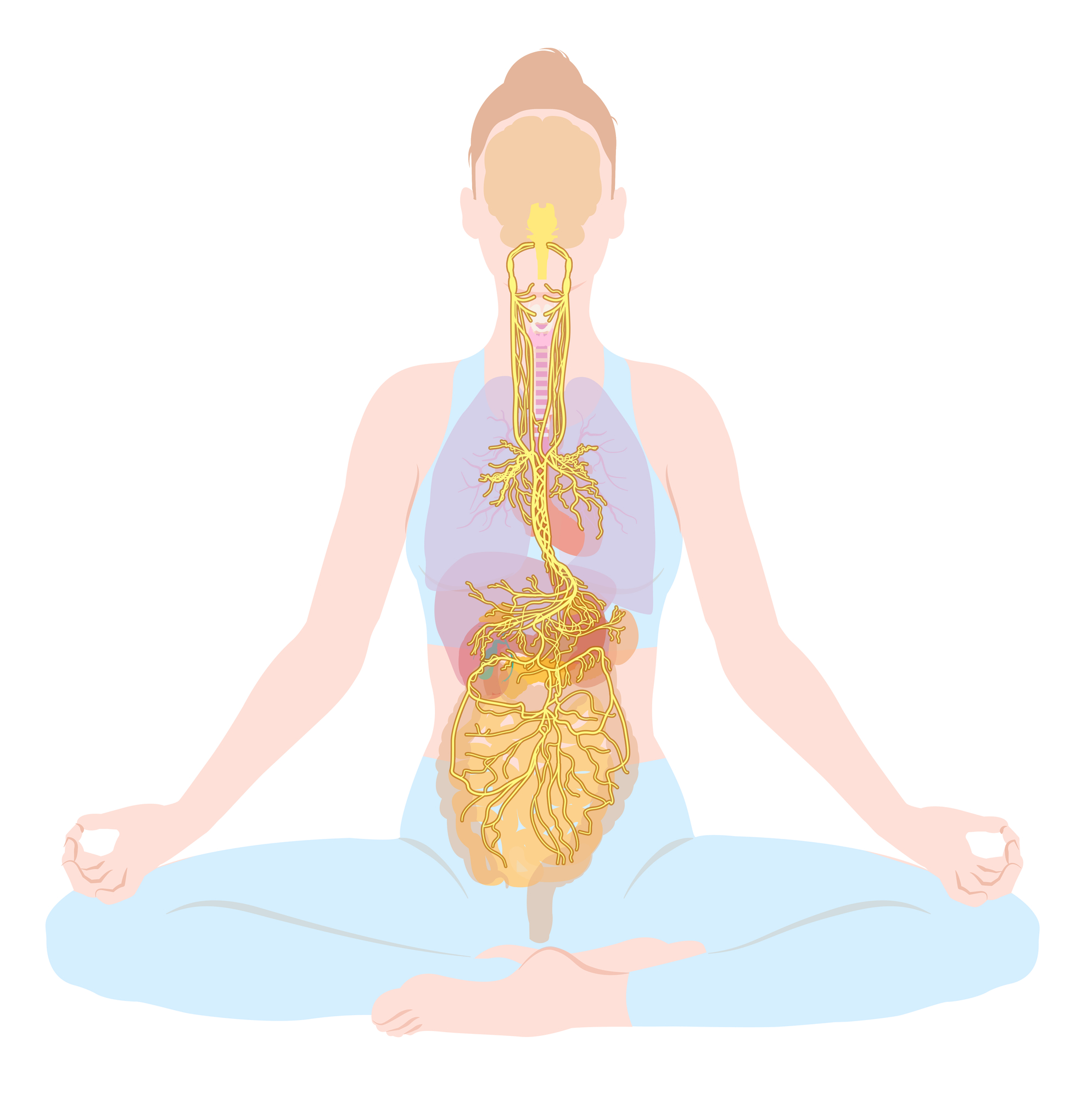
The gut-brain axis is a bidirectional communication network between the central nervous system (CNS) and the enteric nervous system, linking emotional and cognitive centers of the brain with peripheral intestinal functions. Both neural and hormonal routes of communication allow the brain to influence intestinal activities, including activity of functional effectorRead

Research Backed Ingredients to Support Mood and Health

The Mindful Microbiota Trillions of microorganisms—bacteria, viruses, fungi, and others—create the microbiota. The vast majority, around 70%, of these bugs reside in our intestines and are vital to the development of our immune system, influence our metabolism, and protect us from pathogens. Interestingly, the gut microbiota also affects our cognitiveRead

Gut Brain Connection: Talk Along the HPA Axis

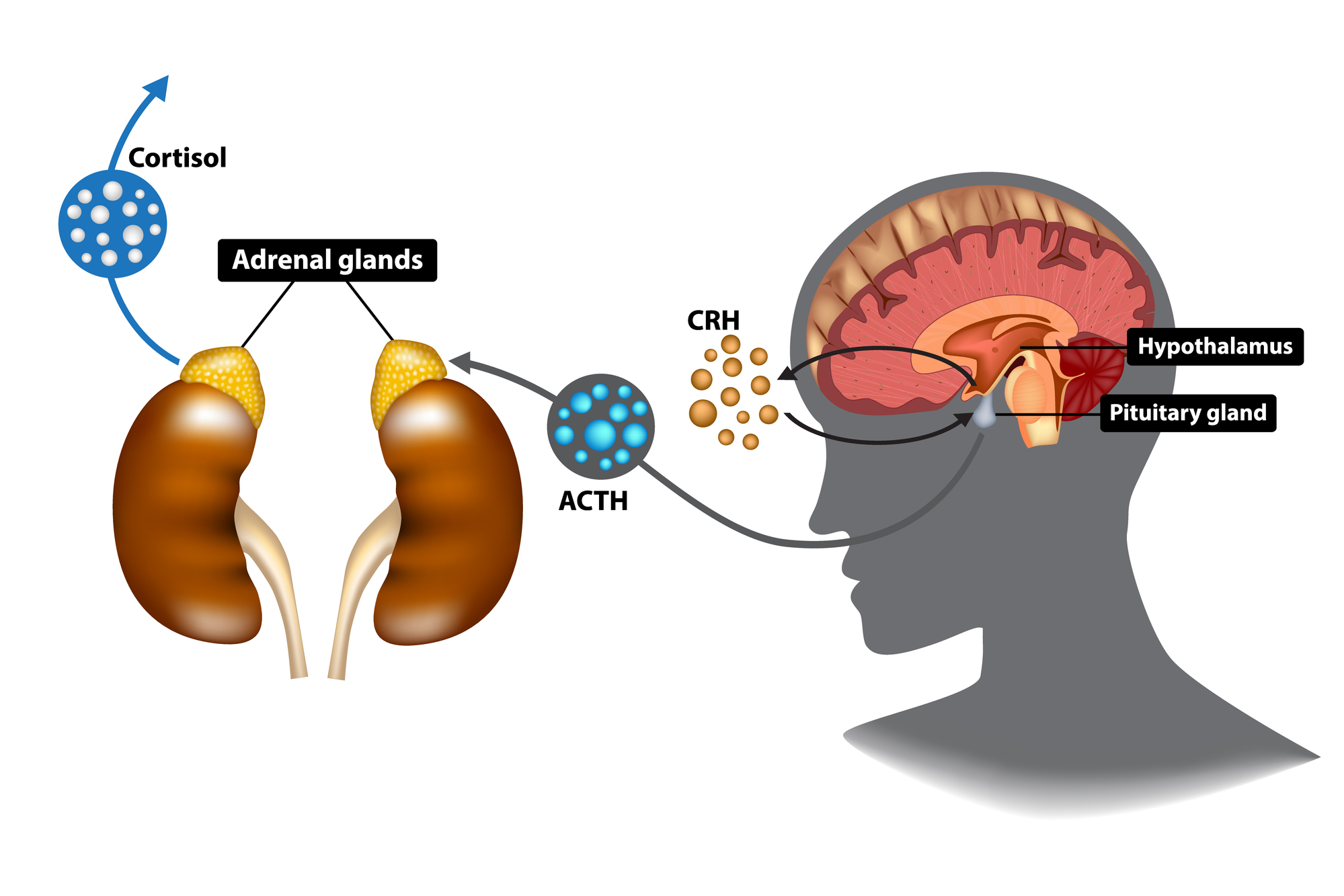
The Hypothalamic-Pituitary-Adrenal Axis, or HPA Axis, is a bidirectional neuroendocrine network that modulates our adaptive stress response. The activation loop begins in the hypothalamus with corticotropin-releasing hormone (CRH). Once released, CRH binds to receptors on the anterior pituitary gland resulting in the subsequent release of adrenocorticotropic hormone (ACTH). In turn,Read

Bugs and Barrier Function

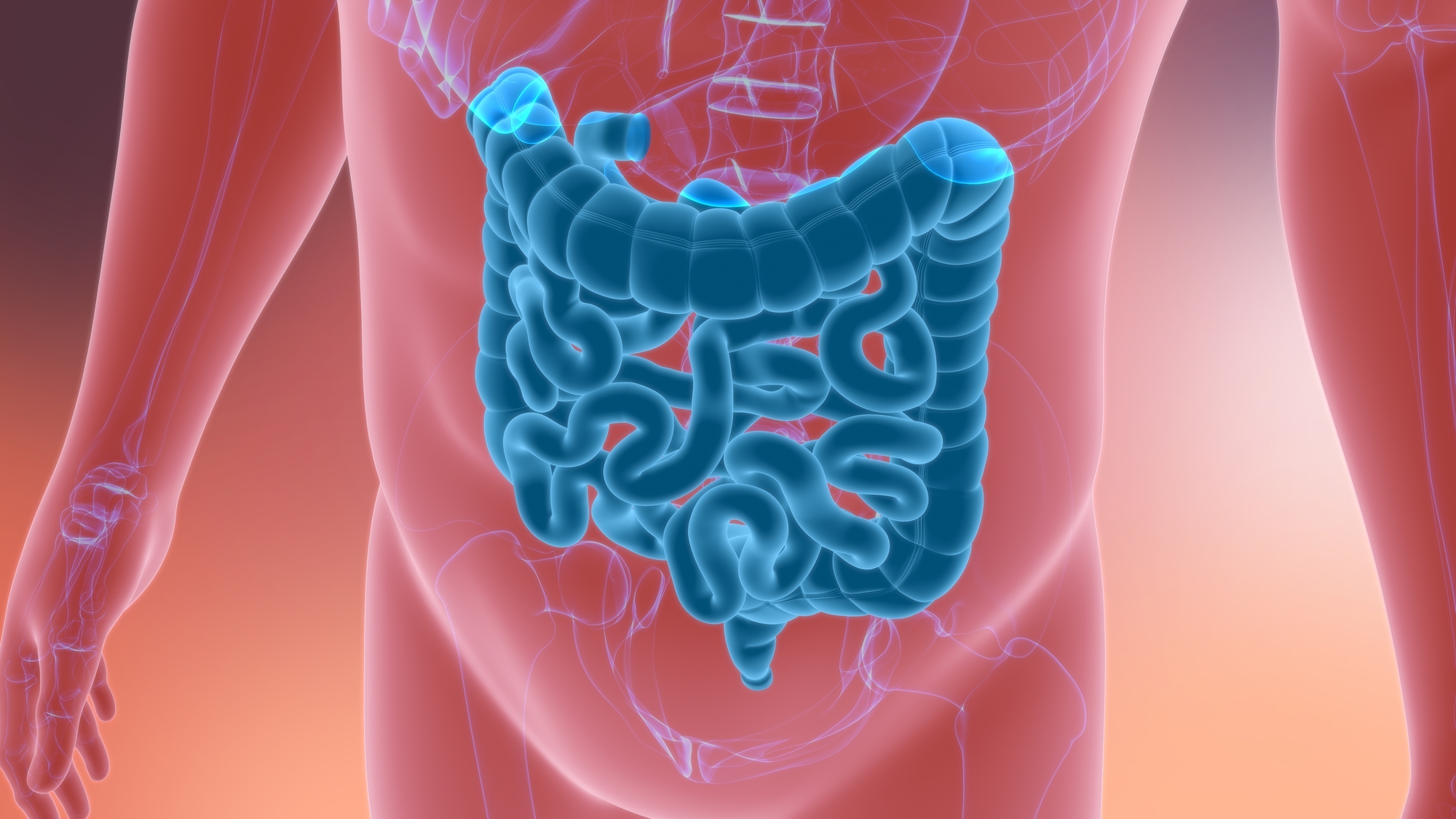
Intestinal epithelial barrier integrity has a great deal to do with how we feel: both physically and mentally. The concept is a relatively simple one, although the mechanisms are complex. A single layer of epithelial cells functions as a physical barrier between the intestinal lumen, the lamina propria, and theRead