stay updated with our newsletter

ADHD and Genetics: What’s the Connection?

ADHD often runs in families. But what are the genetic mechanisms that may support this connection? ADHD and neurodiverse conditions are related to multiple genetic variants or single nucleotide polymorphisms (SNPs).1,2 One SNP receiving attention affects the fatty acid desaturase 2 (FADS-2) gene. This gene helps to maintain healthy levelsRead

Ethics for the Intuitive Practitioner

For more than a decade, Midge Murphy, JD, PhD (Energy Medicine) has been a tireless advocate for bringing ethics, legal issues, and risk management strategies into energy-based practices and in the training of alternative healing arts practitioners. Her groundbreaking book, Practice Energy Healing in Integrity: The Joy of Offering YourRead

Ashwagandha Shown to Boost Testosterone

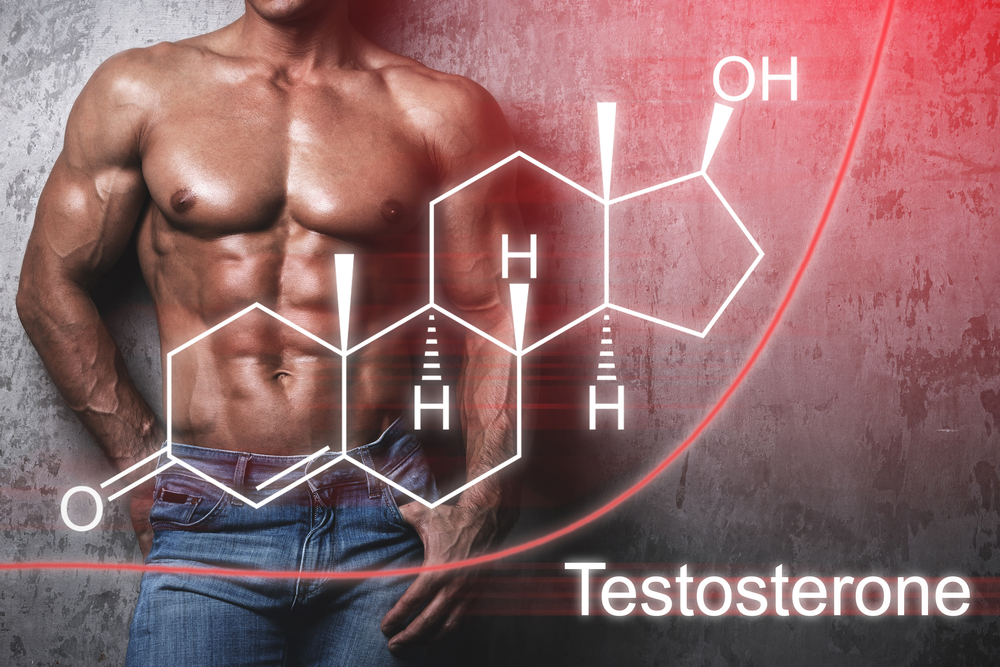
In Ayurveda, ashwagandha is extremely popular for promoting youthful energy, longevity, and overall well-being, especially in men. In Sanskrit, ashwagandha is loosely translated to “like a horse,” which underscores the herb’s strength- and stamina-building powers. According to a new study in Health Science Reports, ashwagandha root extract (KSM-66) was shownRead

Ayurvedic Herb Helps Menopause-Related Anxiety & Cognitive Decline

Menopause is a rollercoaster ride of changes for most women. As hormone levels drop off precipitously, women begin to experience a range of physical and emotional symptoms. Now, researchers have identified an Ayurvedic herb — Tinospora cordifolia — that may help with two of the most common menopause-related issues: anxiety and cognitiveRead

Jarlsberg Cheese Prevents Bone Thinning

Cheese often gets a bad rap for its high calorie count and fat content. But when consumed in small portions, cheese — particularly Jarlsberg cheese — can help preserve bone health. A small comparative clinical trial, published in BMJ Nutrition Prevention & Health, shows that a small daily portion of JarlsbergRead

Did Science Get It Wrong About Serotonin?

A major review, recently published in Molecular Psychiatry, is sending shock waves throughout the medical community. The big reveal is that serotonin may not be the cause of depression. Researchers from he University College of London (UCL) conducted an exhaustive overview of serotonin and depression. Their conclusion is that depression is notRead