Strong Antibiotics May Promote the Growth of Antibiotic-Resistant Bacteria in the Gut
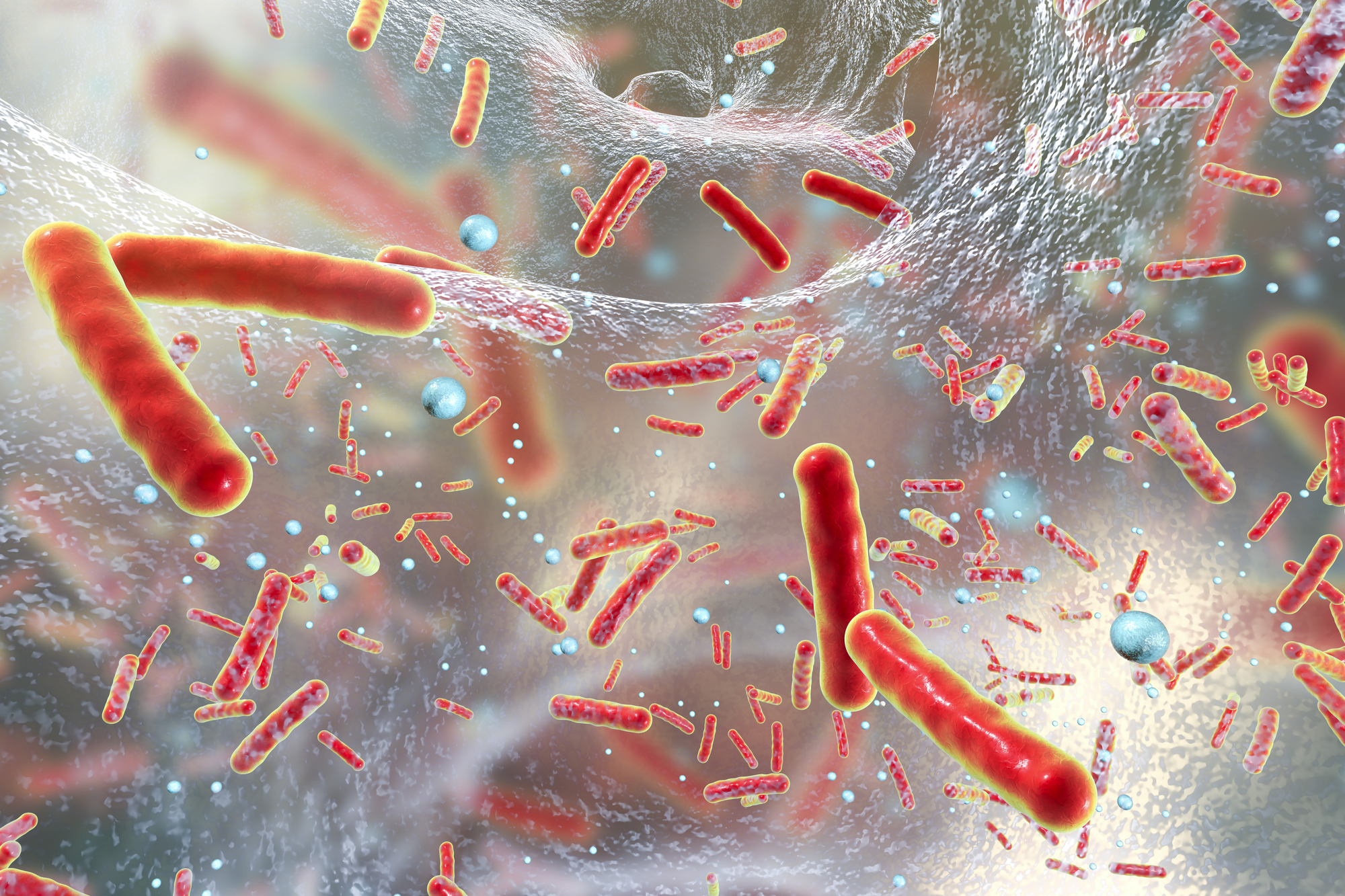
A study published in Nature Communications shows that antibiotic-resistant bacteria get extra nutrients and thrive when the drugs kill ‘good’ bacteria in the gut.
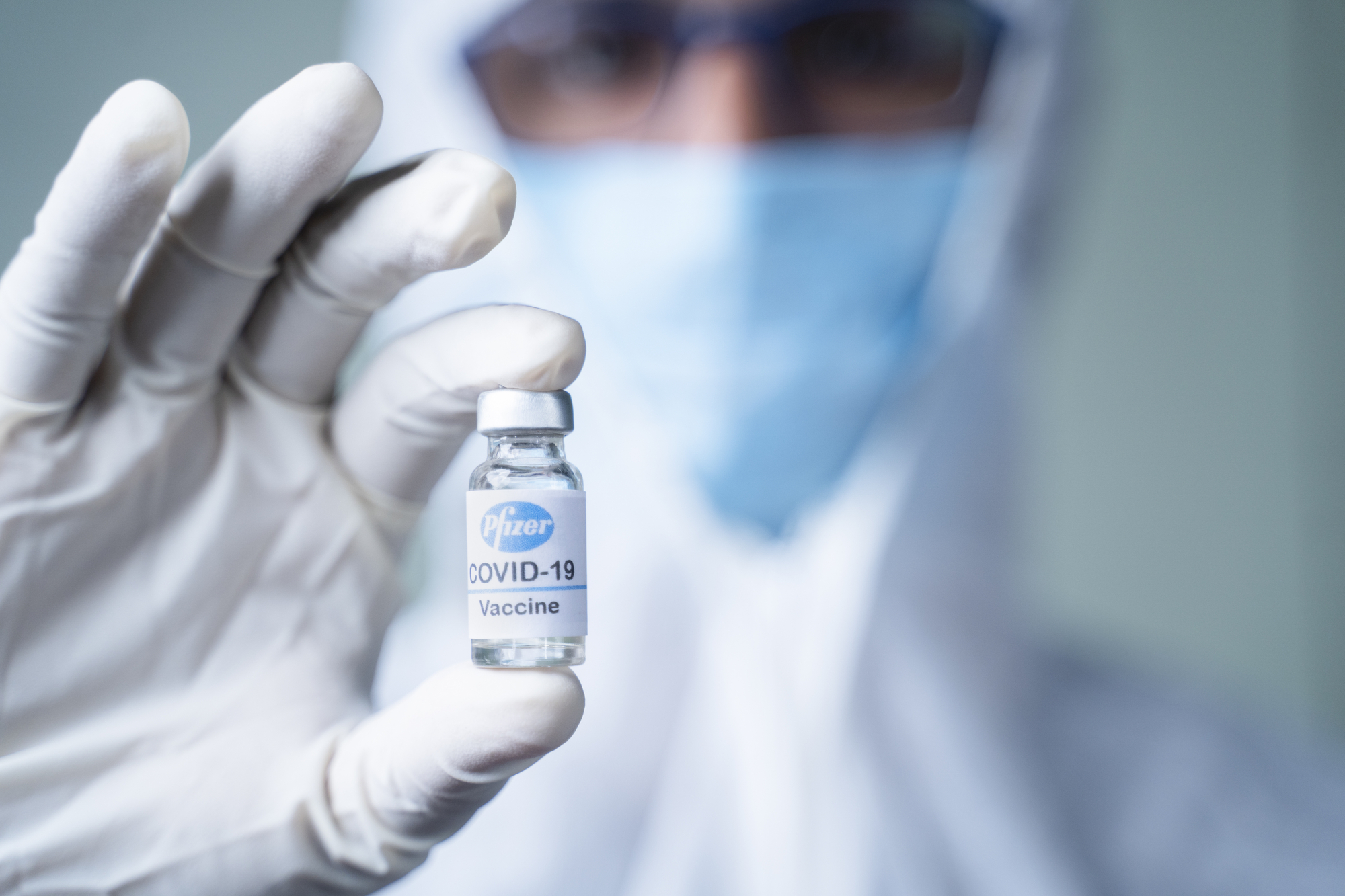

According to a study in Communications Biology, gut bacteria that break down a sugar called fucose could be hampering the effectiveness of the Covid mRNA vaccine.
It’s impressive: the wandering 10th cranial, or vagus, nerve is the longest in the human body, stretching from the brainstem to the lowest intestinal viscera. It’s a bidirectional neurologic superhighway. A component of the autonomic nervous system (ANS), the vagus nerve extends parasympathetic fibers into nearly every organ in the body. It controlsRead
Intestinal epithelial barrier integrity has a great deal to do with how we feel: both physically and mentally. The concept is a relatively simple one, although the mechanisms are complex. A single layer of epithelial cells functions as a physical barrier between the intestinal lumen, the lamina propria, and theRead
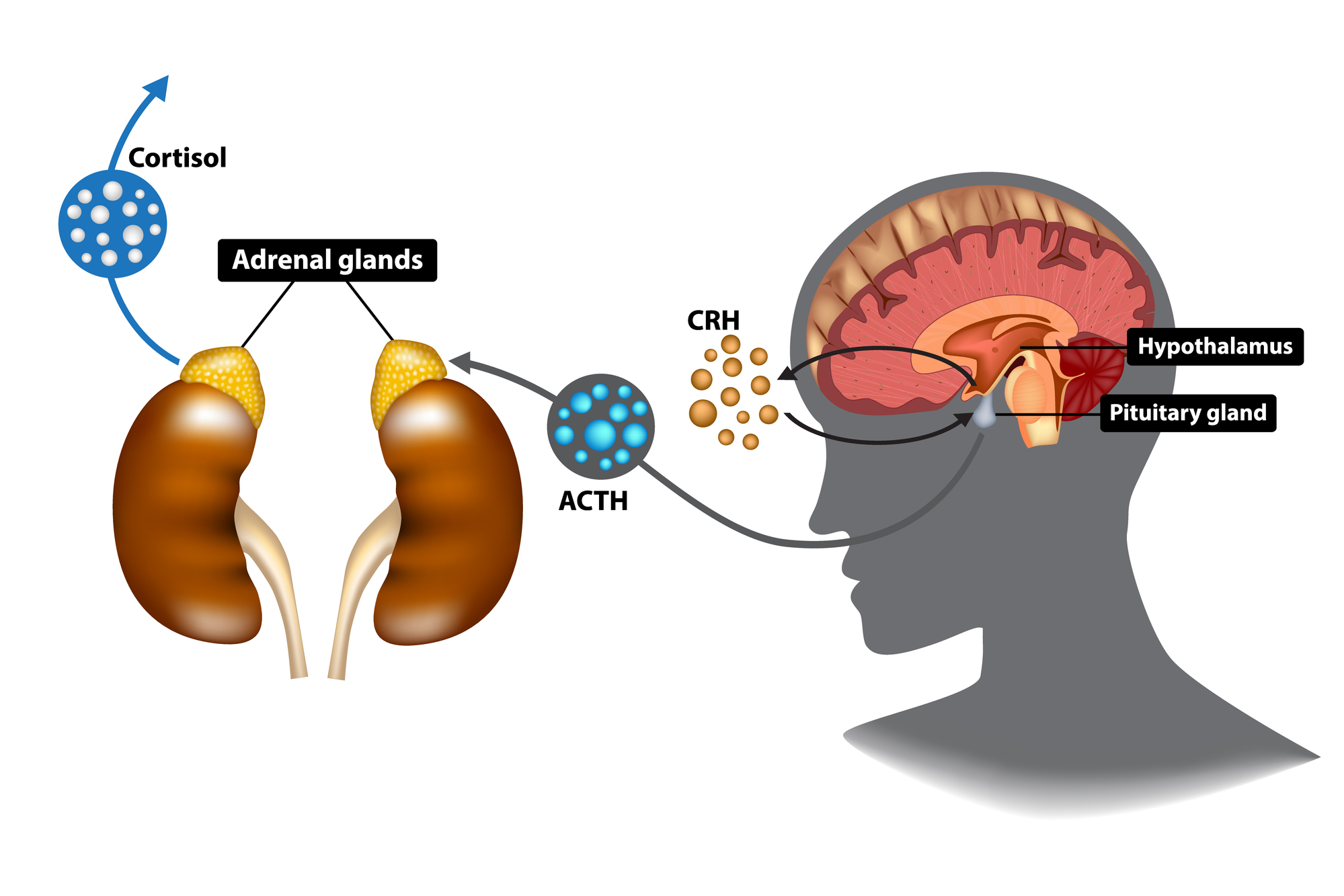
The Hypothalamic-Pituitary-Adrenal Axis, or HPA Axis, is a bidirectional neuroendocrine network that modulates our adaptive stress response. The activation loop begins in the hypothalamus with corticotropin-releasing hormone (CRH). Once released, CRH binds to receptors on the anterior pituitary gland resulting in the subsequent release of adrenocorticotropic hormone (ACTH). In turn,Read
As patients without diagnosed gluten allergies continue to benefit from a gluten-free diet, researchers, medical professionals, and nutritionists alike are now turning to a related, but more prevalent, perpetrator of GI discomfort: FODMAPs. But, what are FODMAPs and how do they affect the microbiome? And, for those experiencing uncomfortable GIRead
Our gut flora has a role in many internal processes, including regulating our immune system, influencing our mood and cognitive function through the gut-brain axis, and influencing our metabolism and body weight. Not only are they essential to life, but the composition of our gut bugs is also a majorRead
Gestational diabetes mellitus (GDM), a condition that affects approximately 10% of pregnancies worldwide, occurs when women without diabetes develop glucose intolerance during pregnancy. Typically detected in the second trimester, it can cause adverse outcomes including miscarriage, premature delivery, fetal malformation, and preeclampsia. Now, a new study by Bar-Ilan University inRead
A potential new cause of depression in premenopausal women has been uncovered. According to a study in the journal Cell Metabolism, women struggling with depression during their reproductive years have lower levels of estradiol — and the microbiome appears to play a significant role in this connection. Previous research showsRead
Emerging research suggests that the microbiota influences many aspects of wellbeing, far beyond digestive and immune health. Nurturing these trillions of tiny lives requires a holistic approach. Here’s how to help patients get started.