Nutmeg Shown to Extend Lifespan
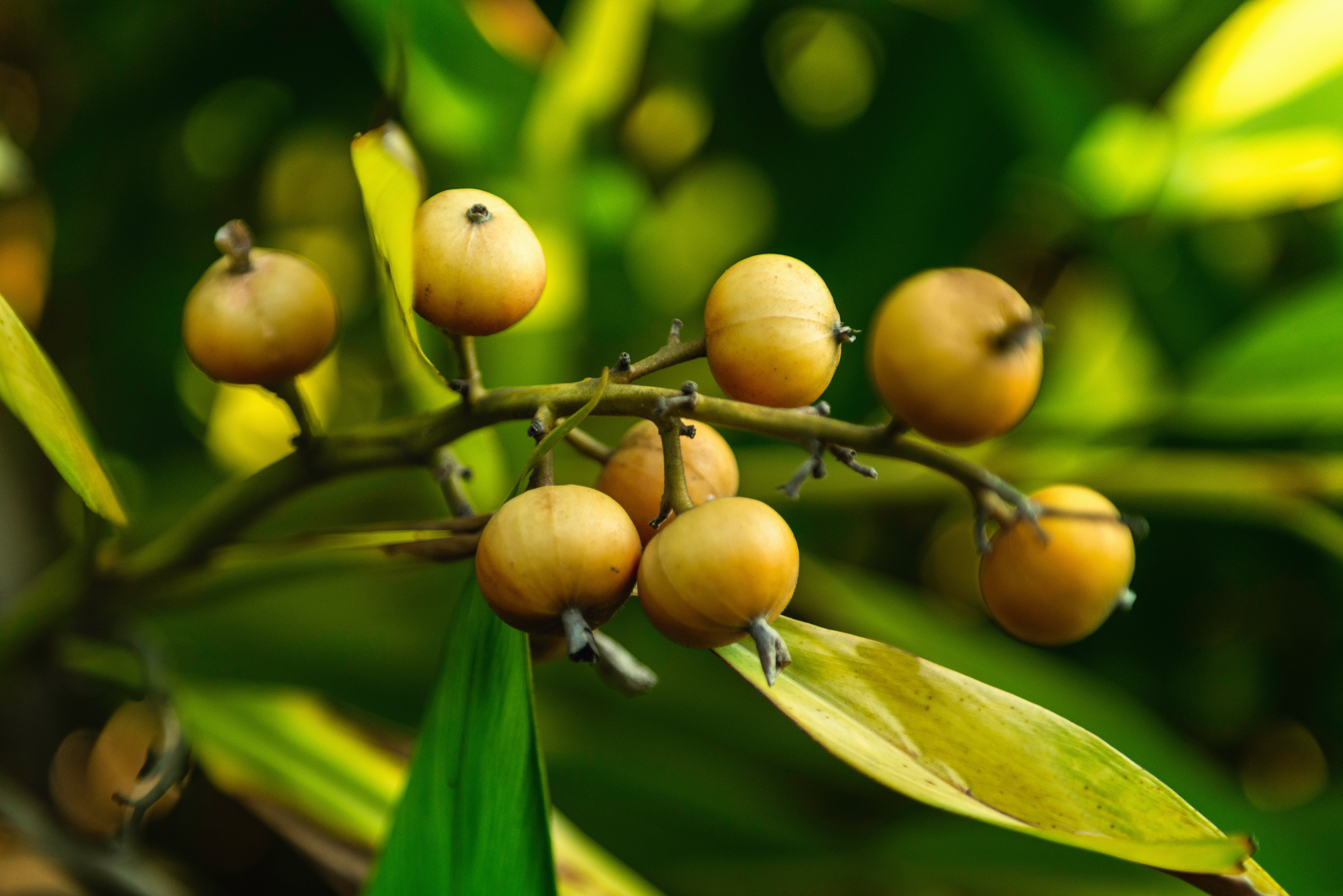
Nutmeg is a spice made from grinding the seed of the Myristica fragrans tree, an evergreen native to the Maluku ...

Using CBD in a Clinical Practice
In this episode, Chris Meletis, ND, will focus primarily on the clinical use of CBD based on his own experience and the growing body of ...

Researchers Uncover a Dietary Rx for Type 1 Diabetes
Unlike type 2 diabetes, which can be caused by lifestyle factors such as poor diet and lack of exercise, type ...

15+ Foods to Nourish A Child’s Gut
The gut microbiome plays a vital role in children’s health, often influencing their physical and mental health later in life. ...

Plant-Based Omega-3 Shows Significant Heart-Health Benefits
The health benefits of the omega-3 fatty acids EPA (eicosapentaenoic acid) and DHA (docosahexaenoic acid) derived from cold-water fatty fish ...
Amarasate, An Extract of Bitter Hop Flowers Shown Effective For Weight Loss: The Science And Mode Of Action
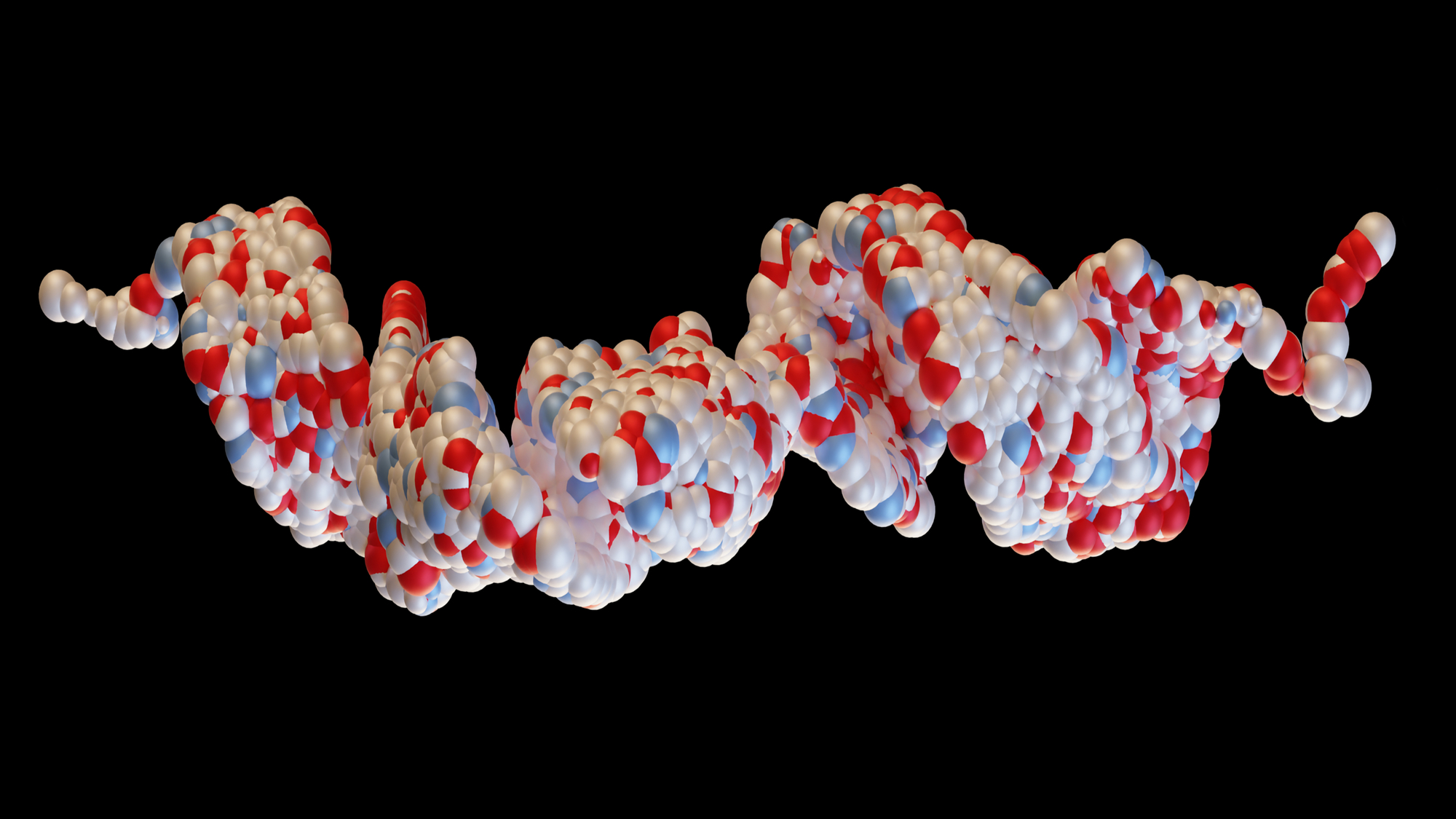
With the massive interest in the use of glucagon-like peptide-1 (GLP-1) receptor agonists for the management of both Type 2 ...
Ashwagandha: An Overview of the Research and Clinical Indications
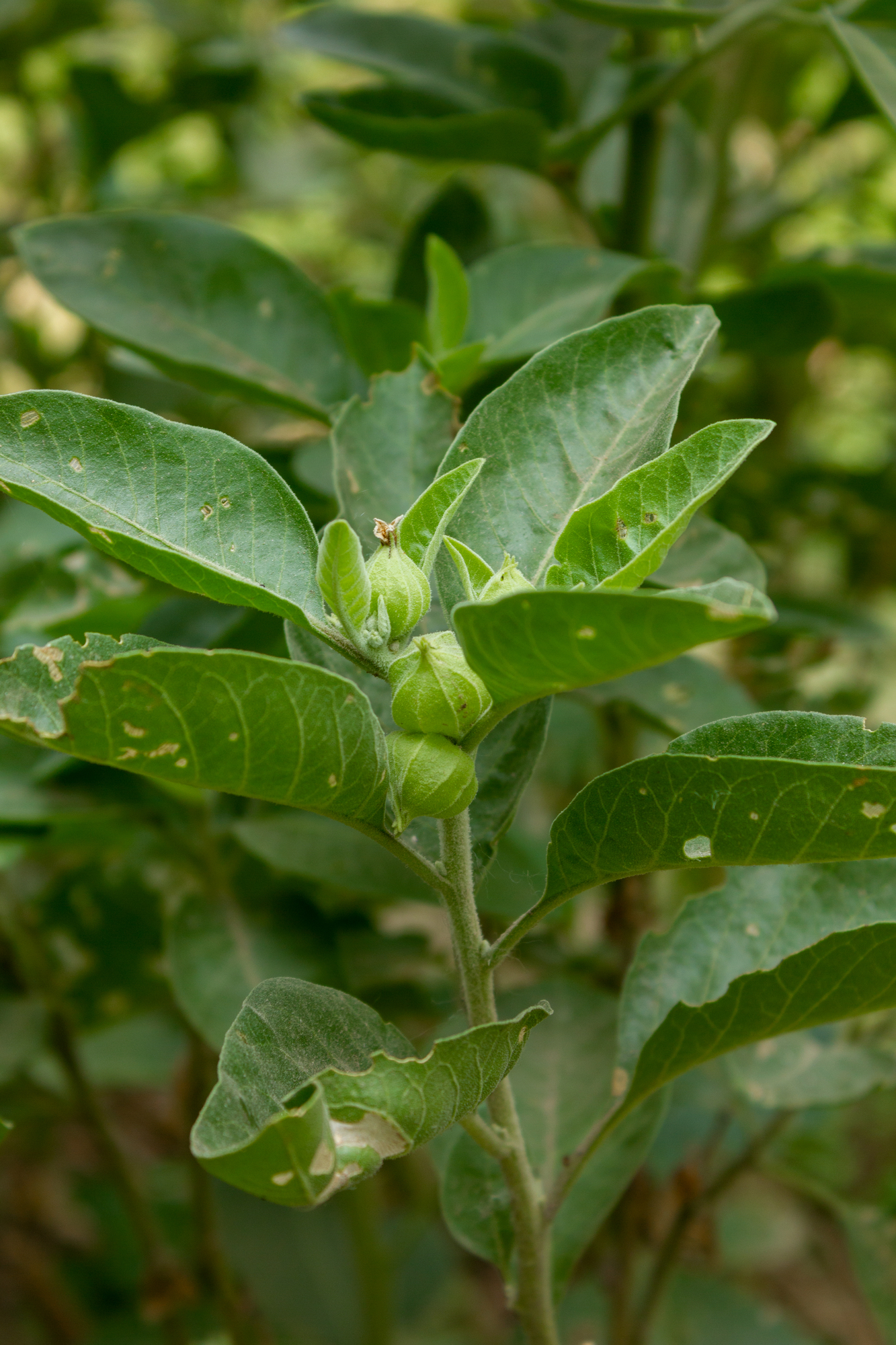
As a part of the Ayurvedic herbal tradition, Ashwagandha has been used as an adaptogenic botanical medicine for hundreds of years. In botanical medicine traditions ...

Natural Plant Compounds Show Promise Against Breast Cancer
The debate over soy and its relation to breast cancer has been a long—and confusing—one. For many years, it was ...

Is Your Clinical Approach to SIBO Treatment Leading to Recurrence? (Podcast)
Why is SIBO (small intestinal bowel overgrowth) challenging to treat? Might the issue lie in hasty diagnoses and repetitive treatments without deeply exploring the root ...

Can a Small Daily Dose of Vitamin K2 Support Bone Health?
A randomized trial found that 100 mcg of vitamin K2 improved osteocalcin activation in healthy adults. But does that mean stronger bones?

Natural Strategies to Address Cardiovascular Health in Women
Cardiovascular disease remains the leading cause of death in women, yet it continues to be underdiagnosed, misunderstood, and undertreated in female patients. Women experience different symptoms, different risk timelines, and different physiological triggers than men — and the consequences of missing those ...

Is Your Patient Ready for Sauna? The Missing Step in Heat Therapy Protocols
Sauna is one of the most evidence-backed lifestyle interventions for cardiovascular and brain health—but its benefits are not automatic. In chronically stressed, depleted patients, the same thermal dose that extends healthspan in Finnish cohorts can act as additional allostatic load.

Resveratrol: A Versatile Anti-Inflammatory Agent Across Multiple Conditions
A quick dive into PubMed yields numerous human studies on resveratrol in the past year alone. These recent studies show benefits for patients with osteoarthritis, cardiometabolic disease, Alzheimer’s disease, COVID-19, polycystic ovarian syndrome (PCOS), and periodontal disease. Its antioxidant and anti-inflammatory actions ...

The Aging Female Heart: Beyond the Male Model of Cardiovascular Care
Heart health remains a universal concern, but women face a distinct set of structural, biological and psychosocial influences that drive cardiovascular risk. As female patients transition through menopause—and the protective effects of estrogen drop—their risks amplify. Women require a personalized approach to ...
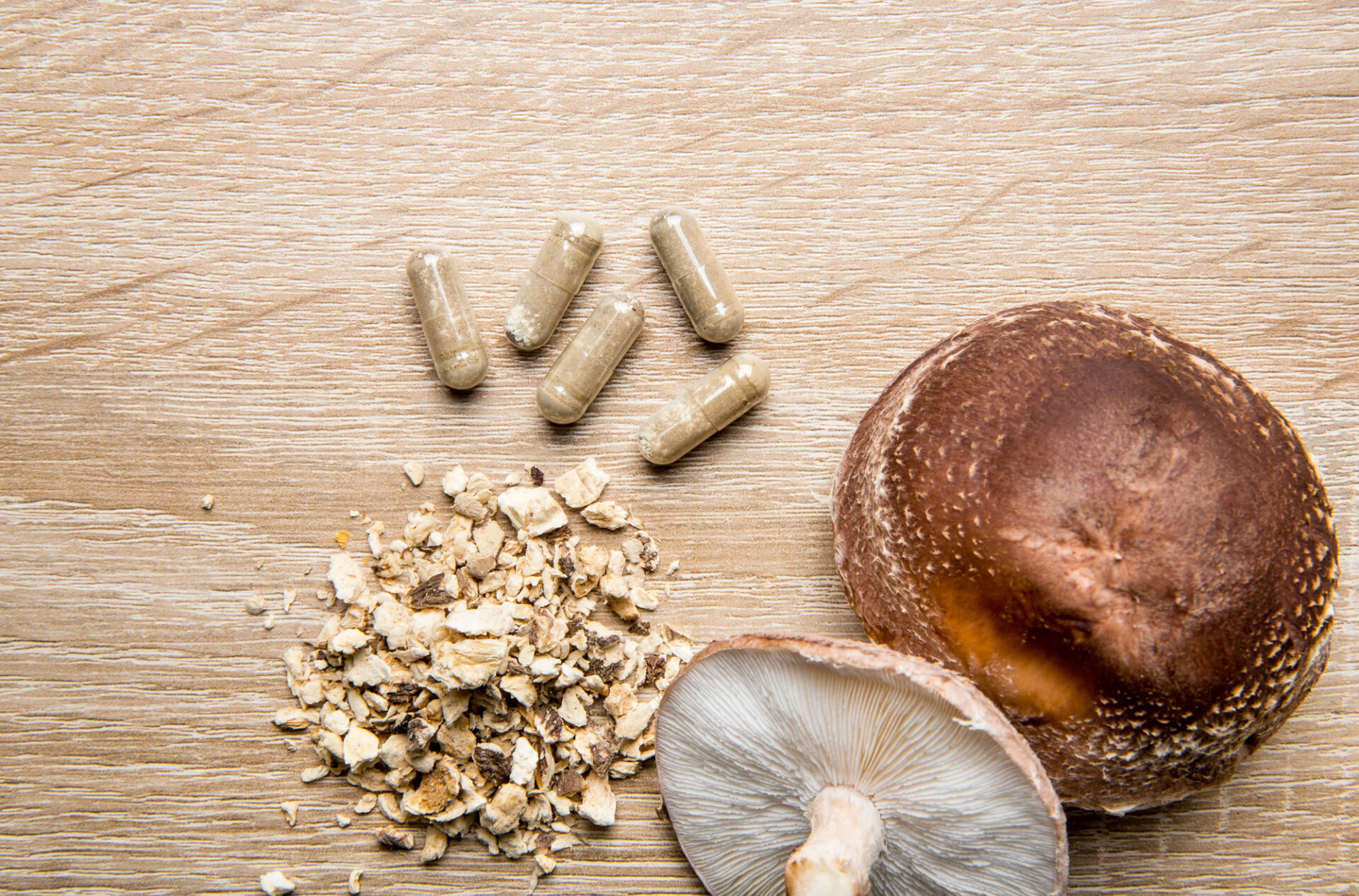
AHCC and Immunity: Evidence-Based Insights into Comprehensive Immune Support
From infection protection to disease prevention—how this shiitake mushroom extract offers comprehensive immune support for all your patients. For centuries, shiitake (Lentinula edodes) mushrooms have been a cornerstone of traditional medicine, valued for their ability to promote immunity, vitality and longevity. ...
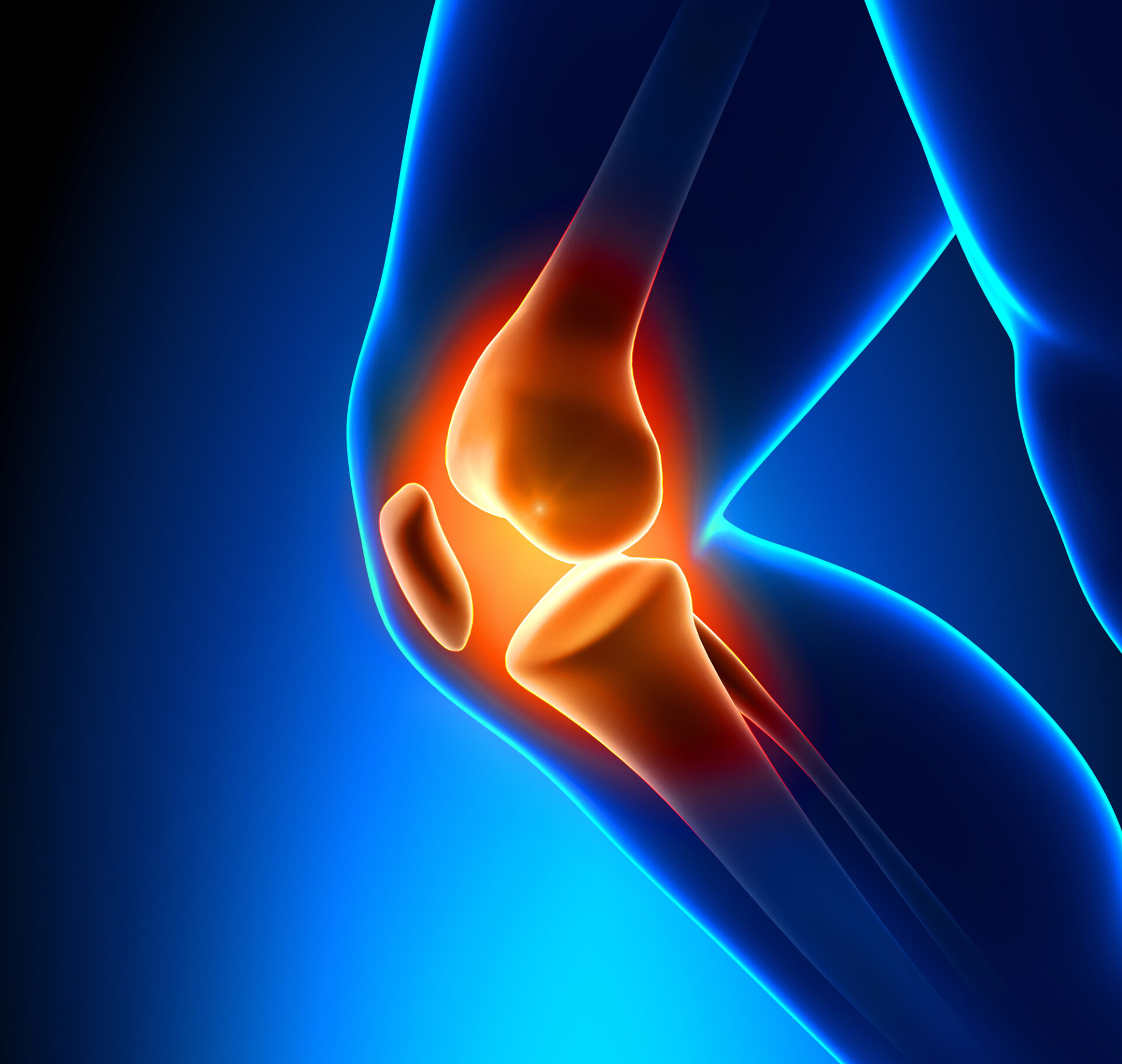
Comprehensive Joint Support: Science-Backed Solutions
An evidence-based protocol can ease aches and pains, tame inflammation, and help active patients stay in the game. All active patients, from weekend warriors to aging athletes, face a variety of physical challenges, ranging from shifts in muscle mass and flexibility to ...

Understanding Methylation for the Busy Practitioner: What is Methylation, How Do You Test, and Treat?
Chronic health consequences associated with hypomethylation include cardiovascular disease, autoimmune disease, diabetes, neurodegenerative disease, psychological disorders, and cancer.8,9 DNA methylation results in gene regulation by switching genes on and off and is the most well-studied epigenetic mechanism.10 Epigenetics relates to how environmental ...
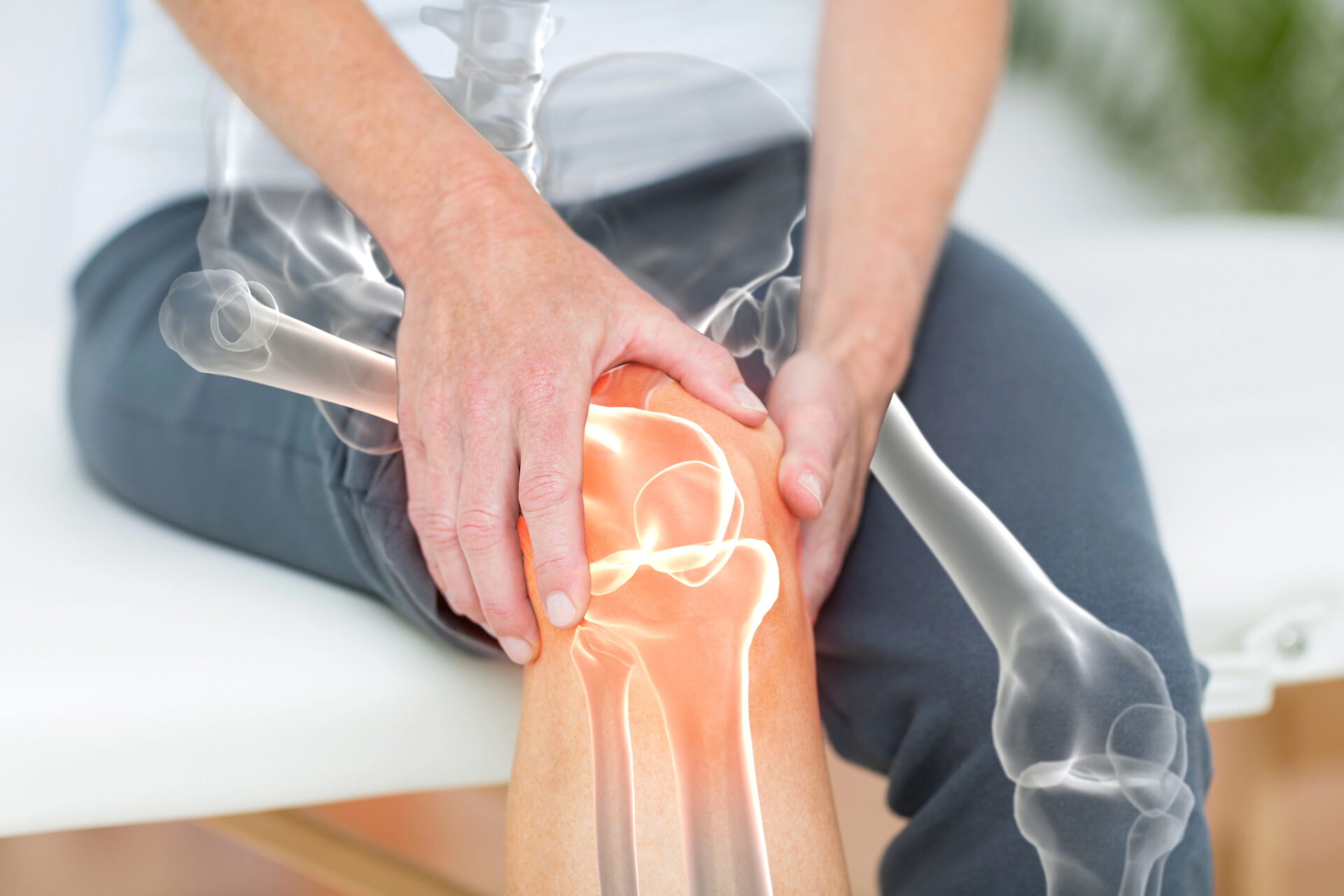
Taming Joint Pain Without NSAIDS
Natural botanicals backed by science offer safe, effective solutions to ease inflammation, minimize pain and protect joints from damage. For joint pain, stiffness and swelling, active patients have few alternatives. NSAIDs like celecoxib, naproxen and diclofenac are linked with an alarming range ...