stay updated with our newsletter

Want Dynamic Leadership? Find a Partner

By Bonnie Horrigan When conceptualizing the Leadership Program for Integrative Healthcare at Duke, a group of us were brainstorming what might make a leader in an integrative clinic different from a leader in a conventional healthcare setting.  We looked at the principles involved in integrative care and asked ourselves: CouldRead

Research Review of Curcumin

curcumin and AD
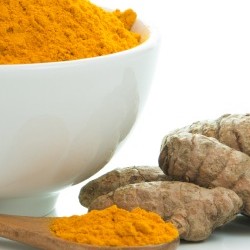
In this research review of curcumin, it is apparent that evidence is growing that curcumin, the substance in tumeric, has the potential to take a bigger role in the human diet for its ability to act as an antioxidant, anti-inflammatory and lipid lowering agent. Western Australian researcher, Gautam Sethi, from

Read more

Seven Principles of Integrative Care, White Paper

Todays Practitioner, Digital, Medicine,

The following is an excerpt of a white paper in the seven principles of integrative care, The Pebble in the Pond, How Integrative Leadership Can Bring About Transformation, from Duke University Integrative Medicine. Download the white paper at the end of this post. Principles of Integrative Care Integrative Healthcare aroseRead

Chronic Inflammation and the Western Diet

Chronic inflammation is the 21st century’s leading health epidemic. It is the single common factor that contributes to the development and progression of chronic illnesses, many of which can be caused and modified by diet. As seen in this commentary by John Neustadt, ND, pathologies once viewed as unrelated are now grouped into the category of “inflammatory disease” including: atherosclerosis, dementia, arthritis, vasculitis, diabetes, and autoimmune diseases. In this report, Neustadt reviews the anti-inflammatory benefits of a “prudent diet,” including the Paleolithic diet and the Mediterranean diet. Though the Paleo diet is more restrictive in grain, legumes, dairy and potato consumption than the Med diet, both have significant overlap in macro and micro-nutrients.