stay updated with our newsletter

Study Compares Sustained Release vs “No-Flush” Niacin Formulations

A six-week randomized, double-blind, placebo-controlled trial compared 1,500 mg/day of wax-matrix extended-release niacin with the same dose of inositol hexanicotinate, often marketed as “no-flush” niacin. Wax-matrix niacin significantly reduced total cholesterol, LDL cholesterol, and non-HDL cholesterol while increasing HDL cholesterol. Inositol hexanicotinate produced no significant lipid improvements compared with placebo. A small pharmacokinetic substudy also found evidence of niacin absorption with the wax-matrix formulation but no meaningful bioavailability with inositol hexanicotinate.

Why Niacin Remains Unique for Lipid and Lp(a) Support

Nicotinic acid has a distinctive role in nutritional lipid support. By influencing free-fatty-acid release, hepatic triglyceride production, and VLDL synthesis, niacin works upstream in lipid metabolism. Published clinical research has also examined its effects on lipoprotein(a), an important largely inherited cardiovascular biomarker. This article explores niacin’s mechanisms, its relationship with NAD+, and how extended-release delivery may help address flushing and improve long-term adherence.

Tolerability Is Not an Accident—It’s a Protocol

One of the reasons Endur-Acin® ER has maintained a loyal following among practitioners for decades is that its clinical research has consistently demonstrated unusually low flushing-related discontinuation rates. Results from multiple clinical trials indicate that Endur-Acin® ER is associated with dropout rates of about 4–5% on average from minor sideRead

Understanding Apolipoprotein B

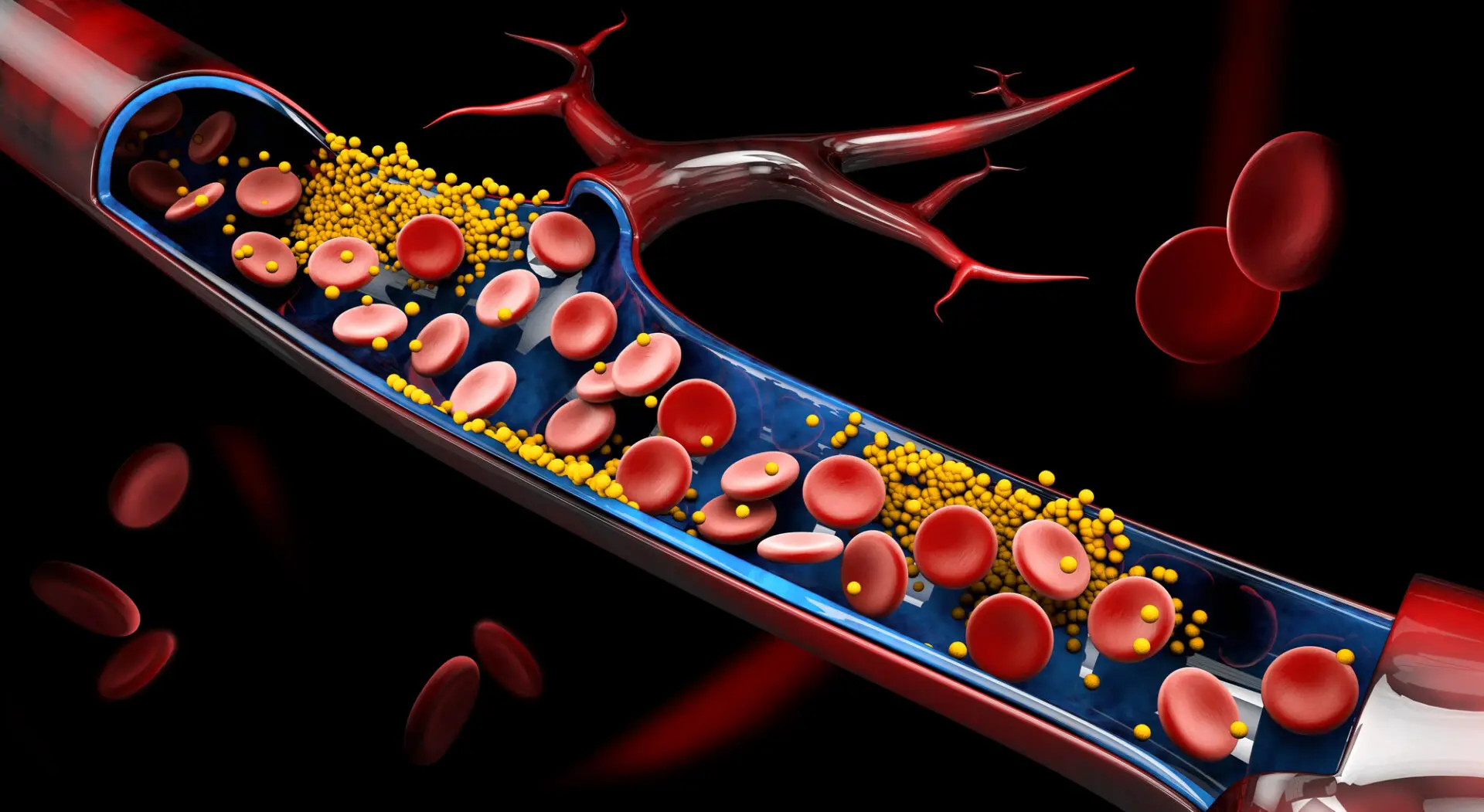
Apolipoprotein B (ApoB) is a crucial structural protein found in atherogenic lipoproteins, including low-density lipoprotein (LDL), very low-density lipoprotein (VLDL), intermediate-density lipoprotein (IDL), and lipoprotein(a) [Lp(a)]. Unlike other lipid markers such as LDL-C, which measure cholesterol content, ApoB provides a direct count of the number of atherogenic lipoprotein particles, makingRead

Understanding Lipoprotein(a)

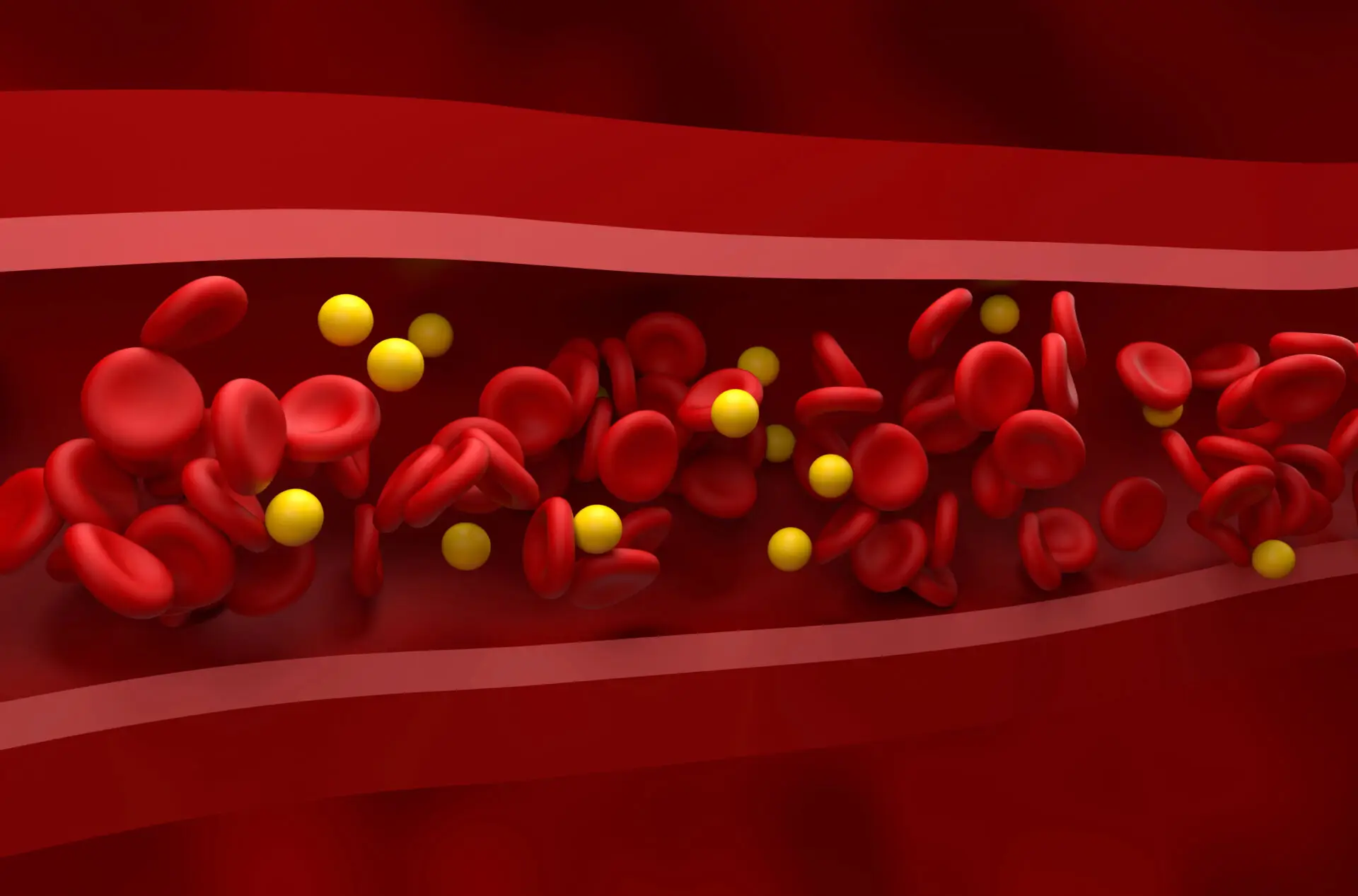
Lipoprotein(a), abbreviated as LP(a), is a unique lipoprotein particle that has garnered increasing attention in recent years due to its significant role in cardiovascular health. As an emerging biomarker, LP(a) is now recognized as a crucial factor in assessing a patient’s risk for atherosclerosis, coronary artery disease (CAD), and otherRead