stay updated with our newsletter

Nicotinamide for Non-Melanoma Skin Cancer Prevention: What the Evidence Shows

Its proposed role in enhancing cellular DNA repair and supporting the skin’s response to ultraviolet-induced damage has prompted investigation into whether supplementation may reduce skin cancer incidence in individuals at elevated risk. Current evidence suggests that nicotinamide may represent a safe, accessible, and relatively inexpensive strategy for skin cancer prevention in predisposed populations.


Study Compares Sustained Release vs “No-Flush” Niacin Formulations

A six-week randomized, double-blind, placebo-controlled trial compared 1,500 mg/day of wax-matrix extended-release niacin with the same dose of inositol hexanicotinate, often marketed as “no-flush” niacin. Wax-matrix niacin significantly reduced total cholesterol, LDL cholesterol, and non-HDL cholesterol while increasing HDL cholesterol. Inositol hexanicotinate produced no significant lipid improvements compared with placebo. A small pharmacokinetic substudy also found evidence of niacin absorption with the wax-matrix formulation but no meaningful bioavailability with inositol hexanicotinate.

Why Niacin Remains Unique for Lipid and Lp(a) Support

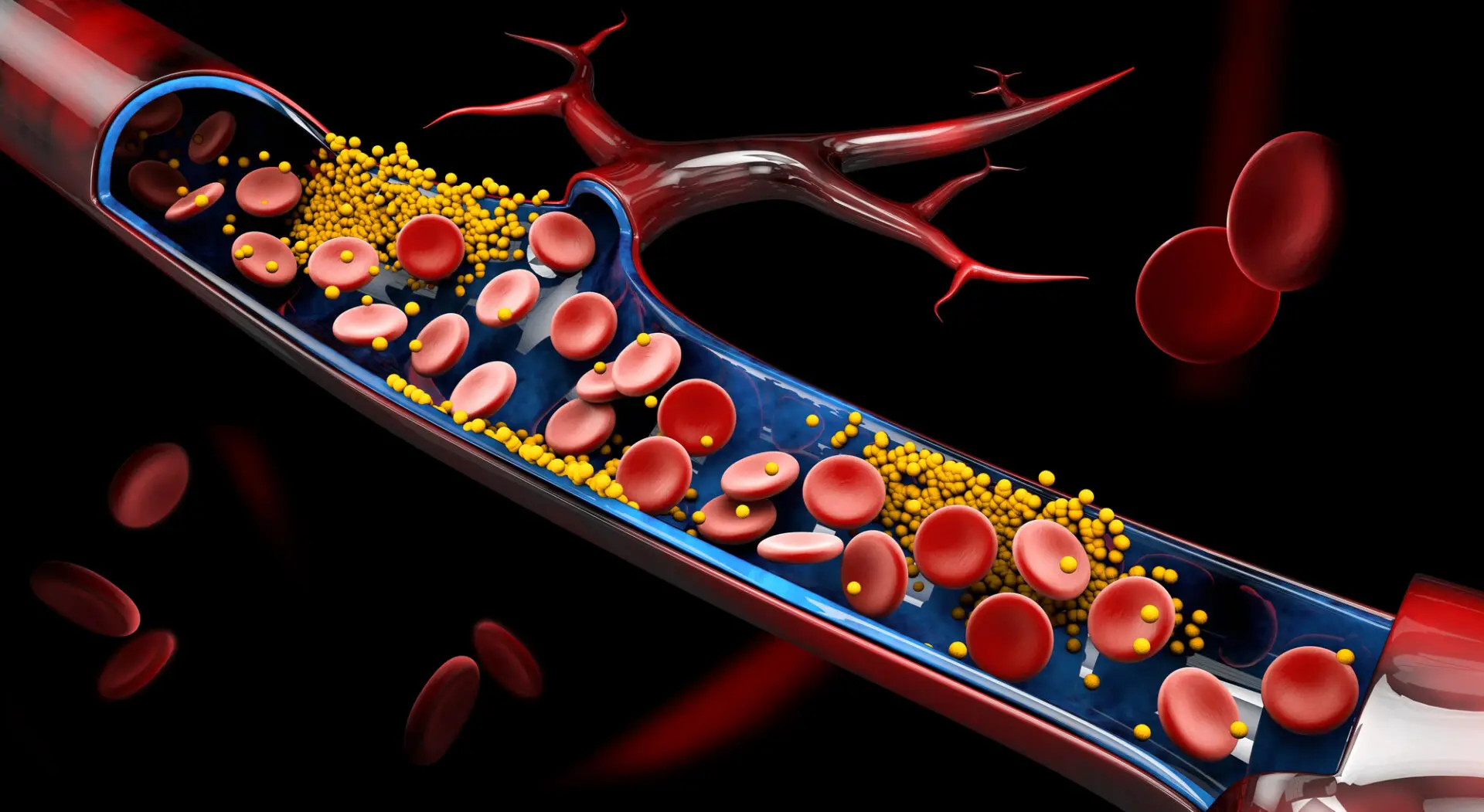
Nicotinic acid has a distinctive role in nutritional lipid support. By influencing free-fatty-acid release, hepatic triglyceride production, and VLDL synthesis, niacin works upstream in lipid metabolism. Published clinical research has also examined its effects on lipoprotein(a), an important largely inherited cardiovascular biomarker. This article explores niacin’s mechanisms, its relationship with NAD+, and how extended-release delivery may help address flushing and improve long-term adherence.