stay updated with our newsletter

Is Your Clinical Approach to SIBO Treatment Leading to Recurrence? (Podcast)

Why is SIBO (small intestinal bowel overgrowth) challenging to treat? Might the issue lie in hasty diagnoses and repetitive treatments without deeply exploring the root cause of SIBO? Could its persistent nature be attributed to the common approach of using antibiotics or herbal equivalents and restrictive diets aimed at starving gut bacteria? Join us today for an honest discussion with Angela Pifer, the renowned SIBO Guru

The Ever-Evolving Microbiome—Ages and Stages

Research highlights specific patterns and transition points at various ages and stages of life, as well as significant impacts those changes have on long-term wellness—so a personalized gut-health protocol that considers evolving needs is crucial. Five primary ages and stages, with physiological, environmental and other factors that influence microbiome balance.

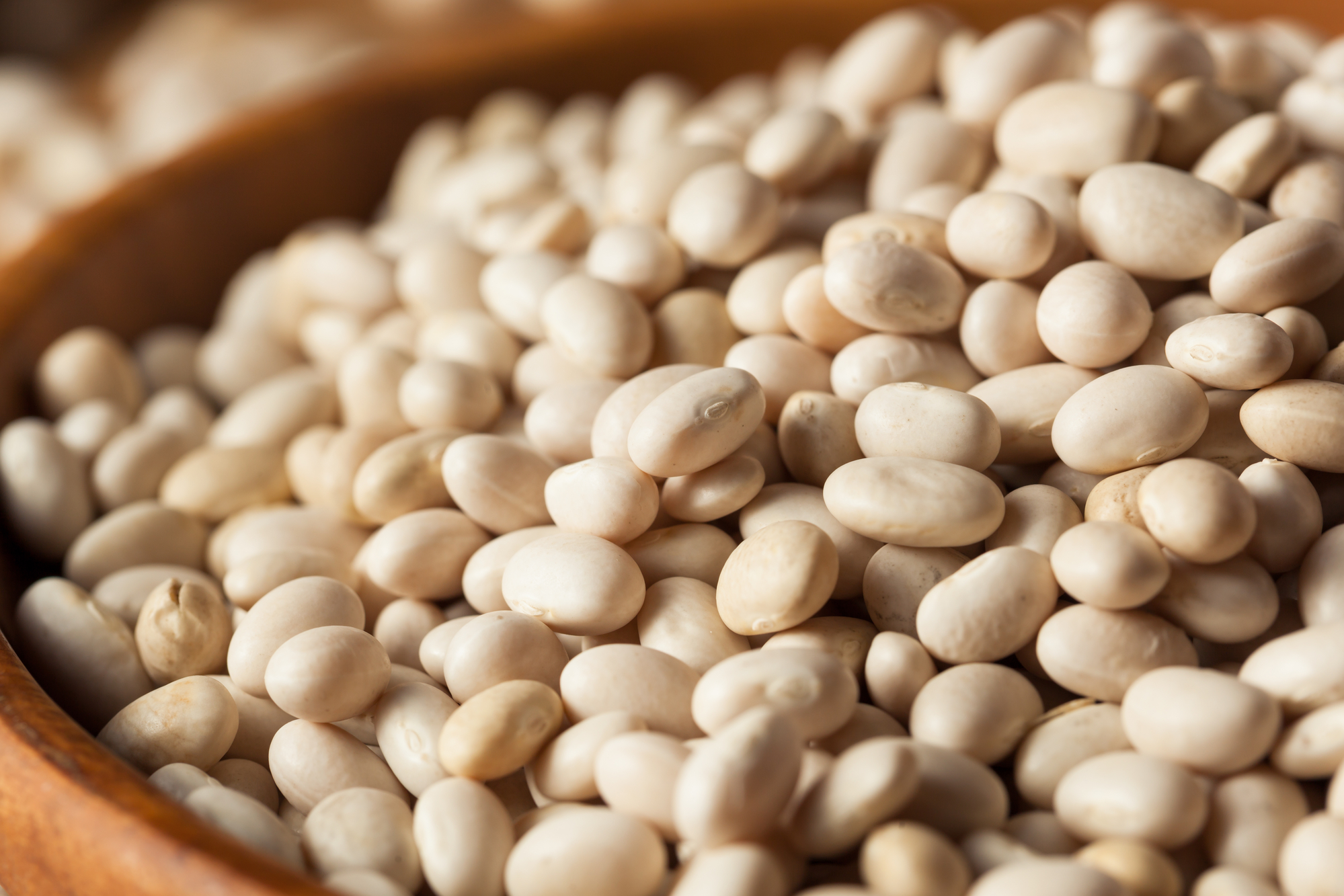
Surprising Benefits of Navy Beans

Beans, beans, good for the…gut? They are. At least according to new research from the University of Texas MD Anderson Cancer Center. Their study, which involved incorporating navy beans into the diets of colorectal cancer (CRC) survivors found that these common legumes have the potential to positively impact both gutRead

Using Ayurvedic Herbs to Treat Stress

The ancient Indian healing system known as Ayurveda has been used for thousands of years to treat a wide variety of ailments. It relies on a holistic approach to health that incorporates diet, exercise, and lifestyle elements along with medicinal herbs and other natural remedies. Much of Ayurvedic healing isRead

GlyNAC Research Review and Clinical Considerations

Supplementing Glycine and N-Acetylcysteine (GlyNAC) in Older Adults Improves Glutathione Deficiency, Oxidative Stress, Mitochondrial Dysfunction, Inflammation, Physical Function, and Aging Hallmarks: A Randomized Clinical Trial.  The Journals of Gerontology. 2023 Jan 26;78(1):75-89.   Clinical Implications From a clinical perspective, GlyNAC could be utilized in a practice setting as a potential Read