stay updated with our newsletter

SPECIAL REPORT: Advances in dietary alpha-linolenic acid

The December 2014 issue of Fats of Life highlighted the results from the Cardiovascular Health Study, a large prospective cohort study of elderly Americans. In that study, the association of linoleic acid with cardiovascular and non-cardiovascular causes of death in elderly people was reported. Significant associations were shown to exist

Read more

SPECIAL REPORT: Why Americans are Pushing for Alternatives to PPIs

Proton Pump Inhibitors Associated with Increased Risk of Premature Death

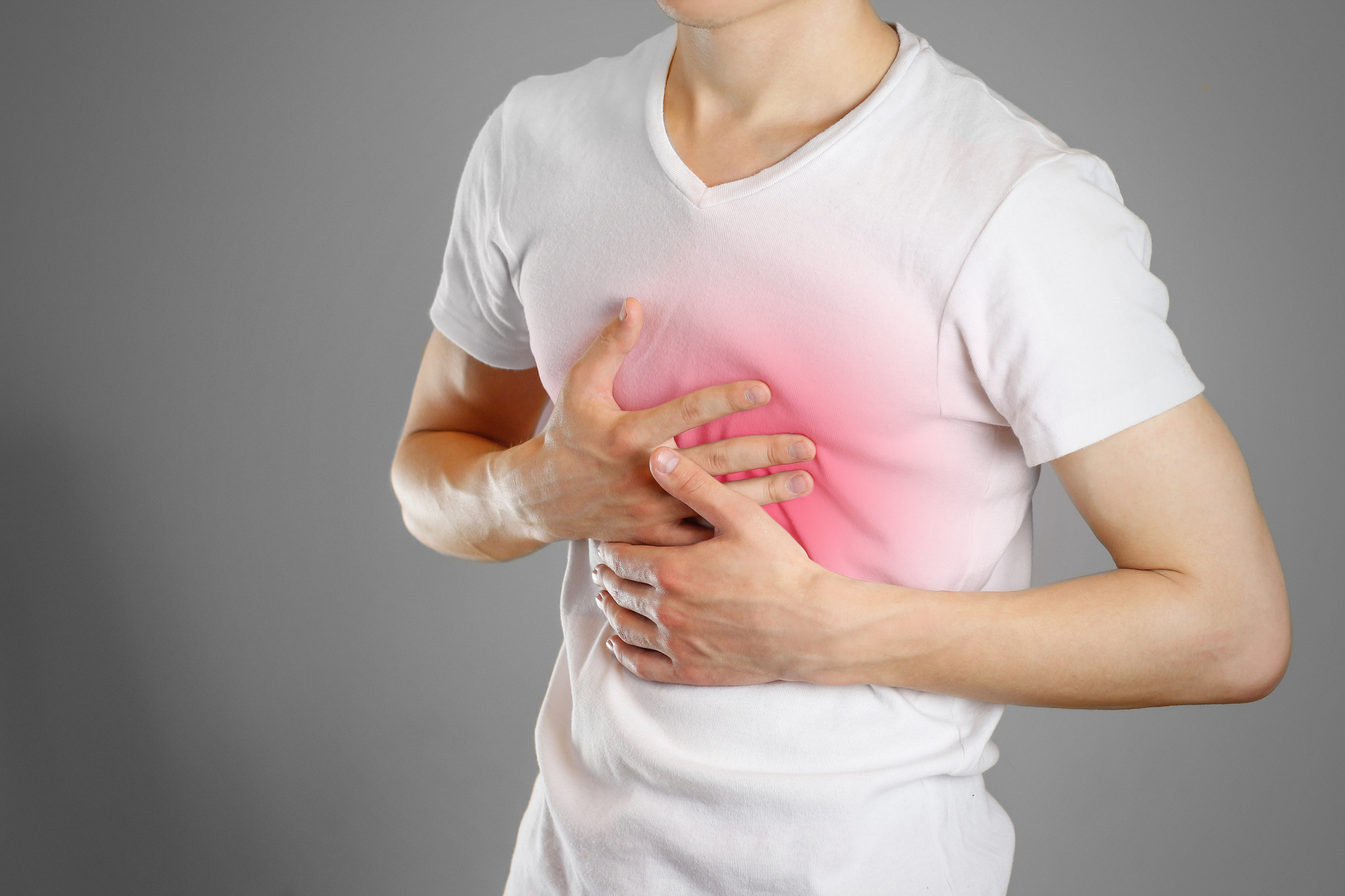
By Kimberly Lord Stewart Patients and physicians are getting heartburn on how best to treat digestive health issues. Though the use proton pump inhibitors (PPIs) has dramatically risen in the last decade, opinions are quickly changing on how to best treat digestive disorders like heartburn and gastroesophageal reflux disease (GERD).Read

Share Practice Poll on Stress

neurobiology of stress

Each week Share Practice presents a polling question to integrative physicians on preferred protocols. Today’s Practitioner will share these with you from time to time to get your thoughts on whether you agree. Q: A 37 y/o woman, CEO of a tech startup, reports emotional stress, increasing anxiety, poor appetiteRead

Top Ten Articles for March & April 2015

Spring is a good time to get caught up. To help you keep up on your professional reading, we’ve collected the most popular articles for the past 60 days. You’ll notice a trend. Healthy eating for cognitive health and acid-load balance diets are the topics of choice for our readers.Read

Research Review for Dietary Acid Load

The concept of alkaline balance and diet has been known for some years with limited wide-scale practice. Recent studies show that acid-base balance in the diet may indeed play an important role in cardio-metabolic abnormalities, including type 2 diabetes. The following is a summary of two supporting studies. High dietaryRead

Clues Connect Estrogen and Autoimmune Disease

There is a phenomenon that scientists have yet to solve, regardless of whether a woman lives in the United States, where medical care is relatively good, or third world nations, where medical care is often scarce: women are less likely to die from infectious diseases than men. The lower death rate has been attributed to a beneficial, yet unexplained effect estrogen has on the immune system. Females of child-bearing age are more resistant to infectious disease and have an increased risk of systemic lupus erythematosus (SLE). This study hypothesized that estrogen-induced gene expression could establish an immunoactivated state which would render enhanced defense against infection, but may be deleterious in autoimmune development.By Nicholas A. Young, Lai-Chu Wu, et al, Estrogen modulation of endosome-associated toll-like receptor 8: An IFNα-independent mechanism of sex-bias in systemic lupus erythematosus. Clinical Immunology, March 2014

Osteoarthritis Research Review

In May 2013, Harvard Medical School published a report on osteoarthritis in their Women’s Health Watch. In the report, they looked at “on-the-horizon therapies” that could change the way you treat the disease. In the report, Dr. Anonios Aliprantis made statement that should have made doctor’s rethink the way they treat OA. “We’re beginning to understand that osteoarthritis is a disease of the entire joint,” said Aliprantis, director of the Osteoarthritis Center at Harvard-affiliated Brigham and Women’s Hospital. “Much of the research over the last 20 or 30 years has focused on cartilage as the target. But we’re beginning to realize that there are important changes happening in the bone underneath the cartilage, and in the joint lining itself. As we begin to understand osteoarthritis as a disease of the entire joint, new treatment targets will emerge.”

The Miracle of Mycelium from Medicinal Mushrooms

“Similar to medicines that come from botanicals, many of the chemicals that fungi produce to flourish in the wild are also active in humans. This is likely not a coincidence.” Stamets and Zwickey review the progress of the use of medicinal mushrooms in clinical practice and how this eclectic science is blooming. By Paul Stamets, Dsc and Health Zwickey PhD, Integrative Medicine a Clinicians Journal, Vol. 13, No. 1